Cancer Survivor Adrija Gan Clears Class 12 Exams
Adrija Gan, diagnosed with T-cell lymphoma in Class 6, cleared her Class 12 exams after six years of treatment and 82 chemotherapy rounds.
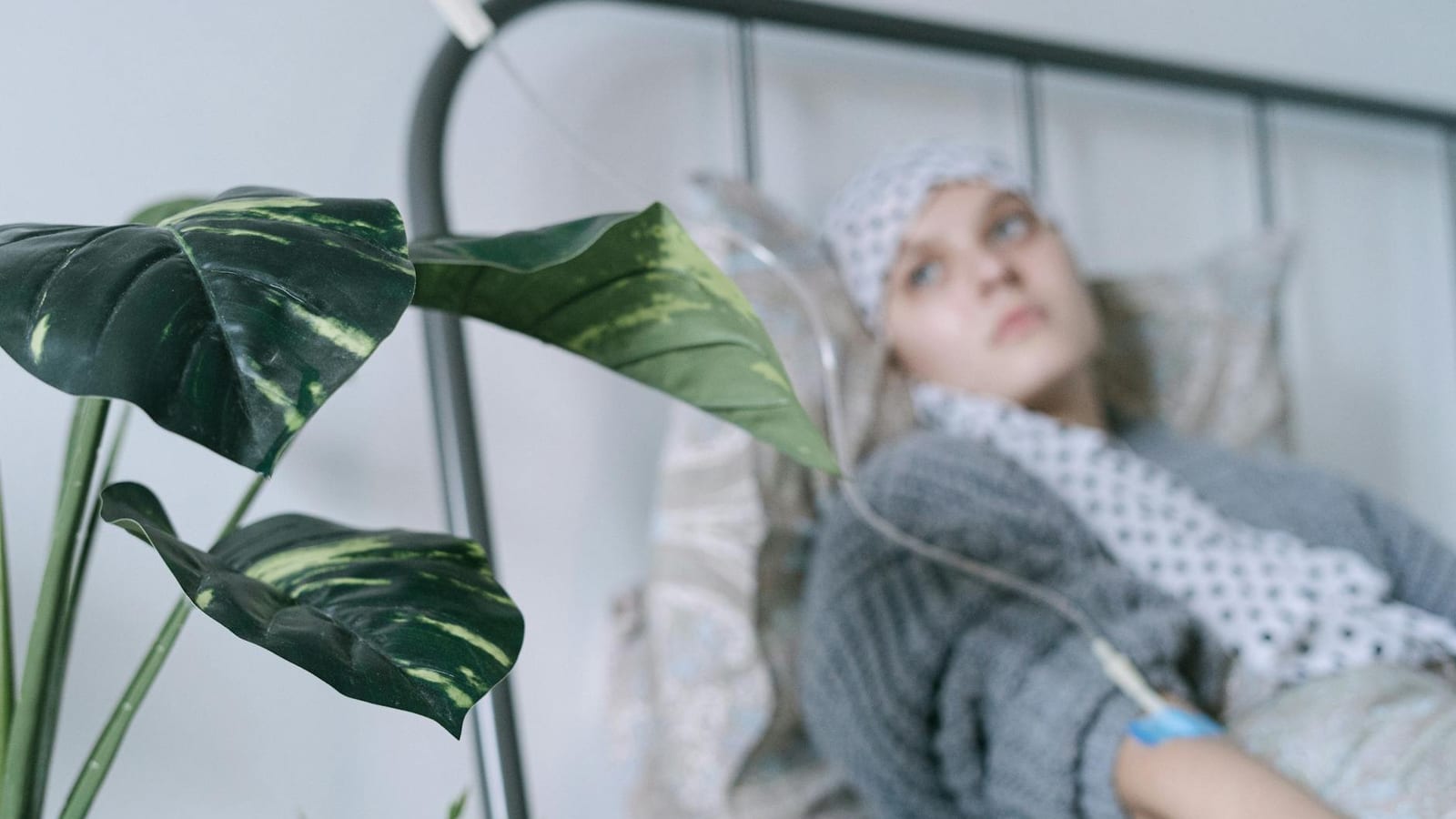
Six years of cancer treatment can steal childhood in small, daily ways. School days shrink, hospital days grow, and exam timetables start competing with chemotherapy dates.
That is why Adrija Gan clearing her Class 12 exams matters beyond one marksheet. Her story carries the kind of grit families understand instantly, even without medical language.
She was diagnosed in 2018, while she was still in Class 6. The illness was T-cell lymphoma, a rare cancer linked to the body’s infection-fighting cells. Since then, she has gone through 82 rounds of chemotherapy.
A fight that began in Class 6
Most children in Class 6 worry about homework, friends, and annual exams. Adrija’s life took a harder turn during that same school year.
Doctors found she had T-cell lymphoma, a serious cancer that affects white blood cells. In simple terms, the body’s own defence system starts behaving dangerously.
Chemotherapy then became part of her routine. It is the treatment many cancer patients receive to kill fast-growing cancer cells. But it also weakens the body and brings pain, tiredness, nausea, and long recovery days.
For a child, that means much more than missing classes. It means missing the ordinary rhythm of growing up. Birthdays, school events, casual evenings, and exam preparation all get shaped by hospital visits.
Adrija’s case stands out because the treatment stretched across six years. That is not a brief interruption. That is almost an entire school life lived alongside cancer care.
Why this exam result matters
Class 12 is not just another exam in India. Families treat it as a turning point. It decides college options, professional courses, and often a child’s confidence at the edge of adulthood.
For students already dealing with pressure, the board exam season can feel heavy. For someone undergoing cancer treatment, the challenge becomes far bigger.
Adrija’s result, therefore, is not only about academic success. It shows how education can remain a lifeline even when illness dominates daily life.
This matters because many young patients lose touch with studies during long treatment. Some pause school. Some return later with anxiety. Some struggle because the system rarely bends enough for medical realities.
A student who continues despite such a long health battle sends a quiet message. Illness can delay childhood, but it need not erase ambition.
For parents watching from hospital corridors, such stories carry practical hope. They know treatment is not only about medicines. It is also about keeping a child’s future visible.
The hidden cost of long treatment
Cancer in a child changes the whole household. One parent may have to miss work. Savings can drain quickly. Travel, tests, medicines, food, and recovery care all add up.
Even when hospitals provide support, families still carry emotional and financial pressure. A long illness turns the home into a planning room. Every week brings another decision.
Schooling becomes part of that negotiation. Can the child attend today? Can she study after treatment? Will the school understand absences? Can exams be managed without harming health?
These questions do not appear on a marksheet. But they sit behind every such result.
Chemotherapy also affects concentration and stamina. A healthy teenager may study for long hours. A patient recovering from treatment may need rest after short sessions.
That makes Adrija’s achievement more layered. She did not merely sit for an exam after illness. She studied through a life repeatedly interrupted by treatment.
There is another quiet struggle here. Children with serious illness often dislike being seen only as patients. They want normal conversations, normal goals, and normal expectations.
Education gives them that space. It says they are more than a diagnosis. It lets them hold on to identity when medicine takes over everything else.
Schools need better support
India often celebrates such stories after success. The harder question comes before success. How do schools support children during years of illness?
Many institutions handle these cases with goodwill. But goodwill alone cannot carry a child through cancer treatment. Schools need clear systems.
Flexible attendance, recorded lessons, exam support, counselling, and regular contact can make a real difference. None of this is luxury. For a sick child, it can decide whether education continues at all.
Teachers also need simple guidance. They may want to help but not know how much to expect. A child returning after chemotherapy may look fine but feel exhausted.
Classmates matter too. Children can be kind, but they also need adults to set the tone. A student recovering from cancer should not feel like an outsider in her own classroom.
Adrija’s result should push schools to think beyond the annual success story. Every district has children battling serious illness quietly. Not all of them make headlines.
The system must make room for them before exams, not only applaud them after results.
A lesson beyond marks
There is a reason stories like Adrija’s travel fast. They remind people that courage often looks very ordinary from outside.
It may look like opening a textbook after treatment. It may look like sitting for an exam after another hospital visit. It may look like a family refusing to let illness define every conversation.
For young students, especially those facing health problems, her journey offers a powerful point. Progress does not always come at the same speed for everyone.
For families, it is also a reminder to protect hope in practical ways. Keep the routine alive where possible. Keep the child connected to school. Keep future plans on the table.
India talks a lot about marks, ranks, and cut-offs. Adrija Gan’s story asks for a broader measure. Sometimes, passing an exam is not just academic success. Sometimes, it is a child telling life, very firmly, that the next chapter is still hers to write.