Elderly Couple Found Dead in Nagpur Home After Days
Police found an elderly couple dead inside their Nagpur home after neighbours noticed a foul smell, raising concerns over seniors living alone.
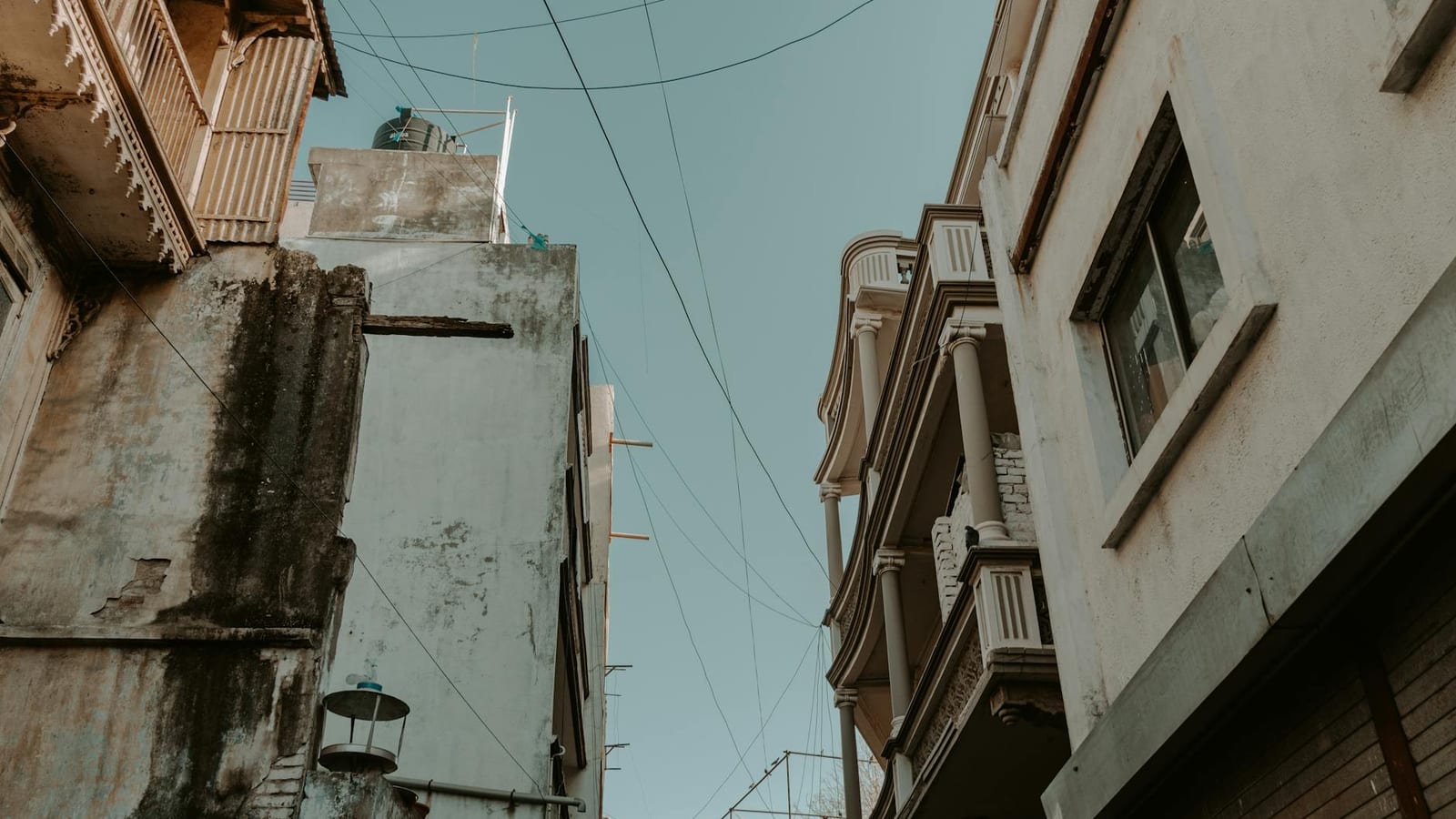
A foul smell from a quiet home in Nagpur told neighbours what phone calls had not. An elderly couple, ill for days and apparently alone, had died inside their house in Wadi.
That is the brutal part of this story. Not just the deaths, but the silence around them. In a city full of people, two old lives ended without anyone reaching them in time.
Police found the couple dead at their home in Davalameti, under the Wadi police station limits. Officials have not yet given a final cause of death. The circumstances looked suspicious at first, police indicated, mainly because the bodies were discovered only after decomposition had begun.
Nagpur deaths raise lonely questions
The couple had reportedly been unwell for the past few days. That small detail matters. For a younger family, illness usually creates movement. Someone calls a doctor. Someone buys medicines. Someone checks the fever.
For the elderly who live alone, illness can become a trap. A fever, a fall, dehydration, or even missed meals can quickly turn dangerous. The line between “not feeling well” and a medical emergency can be very thin.
In Nagpur, the case has struck a nerve because it is painfully ordinary. It did not begin with a dramatic crime scene. It began with a closed house, an unanswered absence, and neighbours finally noticing something was wrong.
Police will examine whether the deaths were natural, accidental, or linked to some other cause. That is their job. But the social question is already clear. Who checks on old people when family is away, neighbours are busy, and the state has no regular system?
A city problem inside one home
Urban India has quietly changed around its senior citizens. Families have become smaller. Children move to Pune, Mumbai, Bengaluru, Dubai, Toronto, or wherever work takes them. Parents often remain behind in homes they built decades ago.
This arrangement works until it does not. A daily routine hides risk. The newspaper comes. The milk packet arrives. A light goes on in the evening. Then one day it does not, and nobody is sure whether to interfere.
That hesitation can cost lives. Many neighbours do care, but Indian cities have also trained people to mind their own business. Privacy, suspicion, and fear of getting dragged into police work often keep people away.
In this case, the smell from the house forced attention. That means the couple may have been dead for some time before anyone entered. For families with elderly parents living alone, that detail will feel like a punch in the stomach.
Wadi Police will likely follow the standard process. They will inspect the home, speak to neighbours, contact relatives, and wait for medical findings. But the case also demands a larger local response.
Heat, illness and fragile households
The timing also matters. Vidarbha summers can be punishing. Temperatures often climb above levels that make ordinary illness worse. Elderly people face a higher risk from heat, dehydration, and power cuts.
On the same day, reports from Gondia spoke of rising electricity use as households ran fans, coolers, air conditioners, and refrigerators. That is not just a power-bill story. It tells us how harsh the season has become for ordinary homes.
For senior citizens, heat is not discomfort. It can affect blood pressure, breathing, sleep, appetite, and medicine schedules. If a person already has diabetes, heart disease, or kidney trouble, summer can make everything harder.
Many old couples also try to save money on electricity. They may avoid running a cooler for too long. They may delay calling a doctor because consultation fees and medicines add up. Pride also plays a role. Older Indians often do not want to “trouble” their children.
That is why a welfare check can be lifesaving. A neighbour knocking once a day, a local volunteer calling at noon, or a building group tracking vulnerable residents can make a real difference.
Police work cannot replace community
The police enter such stories late. They arrive after neighbours complain, after relatives panic, or after a body is found. By then, the window for rescue has closed.
This is where municipal bodies, resident groups, and local health workers need to step in earlier. Cities like Nagpur need a simple list of elderly residents who live alone. It need not be intrusive. It can be voluntary, ward-wise, and handled with dignity.
The Nagpur Municipal Corporation can work with local clinics, police stations, and housing societies. A monthly visit during normal weather and more frequent calls during heatwaves would not require a grand scheme.
India loves big announcements. But old-age safety often needs boring systems. Updated phone numbers. Emergency contacts. Medicine records. A neighbour who has a spare key. A local beat officer who knows which homes need a check.
There is also a role for families. A daily call is good, but it is not always enough. If an elderly parent stops answering, someone nearby must have permission to check. Families should not wait for two or three missed calls before reacting.
The wider Maharashtra picture
The Nagpur case appeared among several troubling updates from Maharashtra. Pune has been dealing with illegal liquor concerns after deaths linked to toxic alcohol. Jalna saw fresh tension around Maratha quota demands. Chandrapur faced questions about anganwadi summer breaks during extreme heat.
These are separate stories, but they share one thread. Ordinary people meet the state at its weakest points. A family wants safe liquor enforcement. A parent wants childcare during heat. A worker wants fair reservation policy. An elderly couple needs someone to notice when illness turns serious.
That is why the Wadi deaths should not be treated as just another police entry. They point to a gap that many Indian cities have ignored for too long.
We have built metros, malls, flyovers, and gated colonies. But we still rely on luck, neighbours, and smell to discover that someone needed help days ago.
For readers with ageing parents, this story asks for one practical step today. Fix the check-in system. Share numbers with neighbours. Arrange a doctor contact. Decide what happens if a call goes unanswered. The future of Indian families will include more elderly people living alone, and affection will not be enough unless it becomes routine care.