Heat deaths, fuel gaps expose Maharashtra's last mile
Heat deaths in Amravati, LPG shortages, welfare delays and rural stress show how Maharashtra's public systems are straining at the last mile.
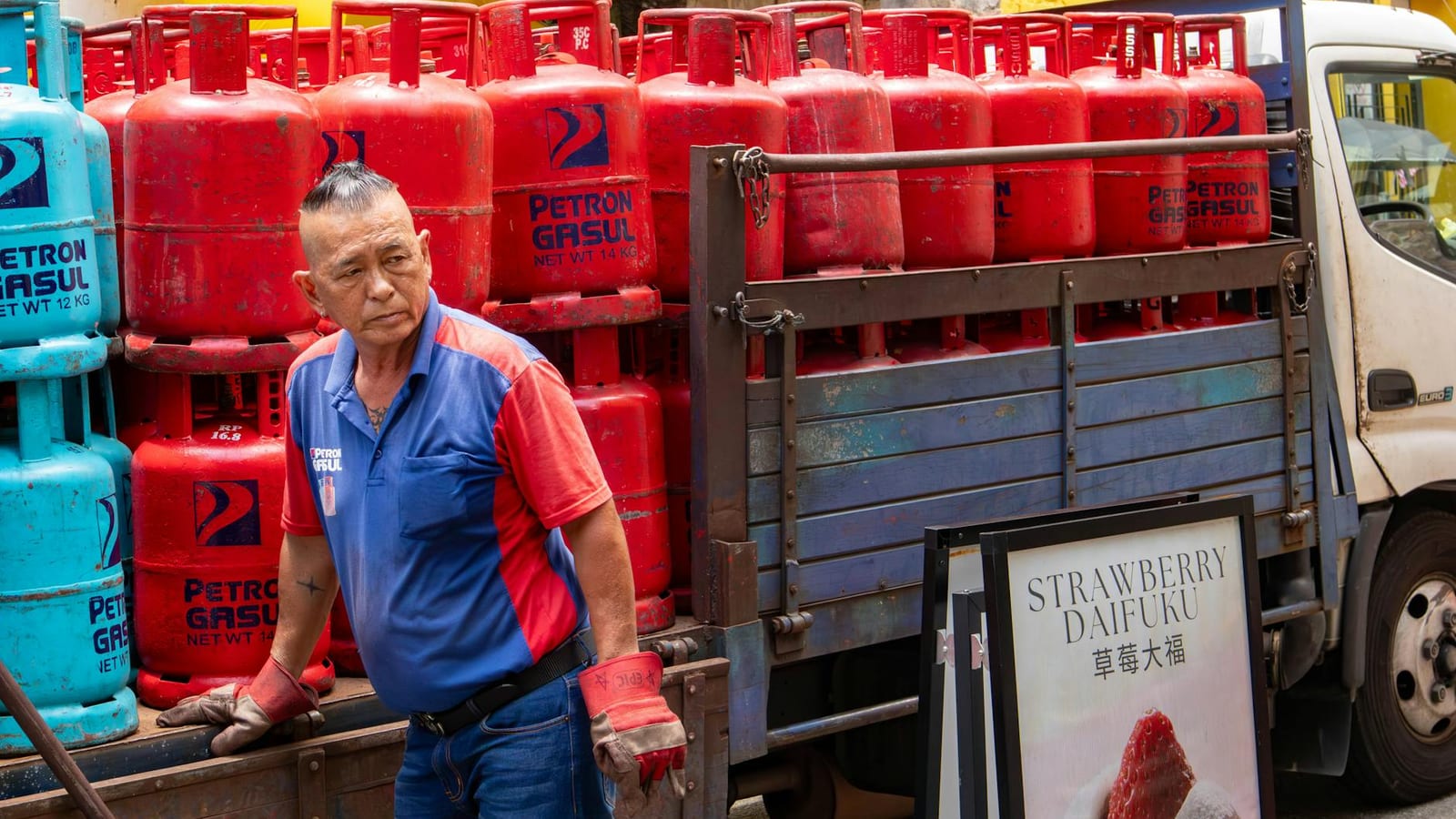
A phone siren, an empty gas cylinder, and a scholarship account showing zero balance. That is how Maharashtra’s stress is showing up this week.
Not in one grand crisis, but in small shocks across homes, campuses, farms, and factories. Each story looks local. Put together, they tell us something sharper about daily life in the state.
Maharashtra is dealing with heat, welfare delays, fuel shortages, crime, and rural anxiety at the same time. For ordinary families, that means one thing. The system works only when the last mile works.
Heat turns deadly in Amravati
Amravati has been living under brutal heat. Temperatures have hovered between 45 and 47 degrees Celsius over the past week.
Two more suspected heatstroke deaths were reported in the city. That took the toll to seven deaths in 24 hours, leaving residents shaken.
At 46 degrees, the body does not behave normally. Outdoor workers, elderly people, daily-wage earners, street vendors, and traffic staff face the worst risk.
Heatstroke is not just “feeling hot”. The body loses control of its temperature. Confusion, fainting, and organ stress can follow quickly.
This is where public planning matters. Drinking water points, shaded bus stops, adjusted work hours, and quick hospital response are not luxuries.
For a state used to floods and droughts, extreme heat is becoming another governance test. It hits the poor first because they cannot avoid exposure.
Welfare gaps hurt students and homes
In Gadchiroli, backward-class students are angry because scholarship money has not reached their accounts.
The pending amount includes the second instalment for the 2024-25 academic year. The full scholarship for 2025-26 also remains unpaid, as per local reports.
For many students, a scholarship is not bonus money. It pays for travel, books, hostel costs, exam fees, and sometimes food.
When the account stays empty, families borrow, delay payments, or pull back on education spending. That creates quiet damage.
A student from a poorer household cannot always “manage for a few weeks”. A delay in aid can become a delay in attendance.
The same last-mile problem shows up in Bhandara’s cooking gas shortage. Rural residents are struggling despite booking cylinders.
Some households have reportedly returned to smoky wood-fired cooking. That means more time, more indoor smoke, and more strain on women.
For a homemaker, LPG is not just cleaner fuel. It is time saved every morning. It is fewer trips for firewood. It is a healthier kitchen.
India has spent years pushing households toward LPG. But the shift holds only when refills arrive on time.
Police arrest Dombivli fraud accused
Dombivli police have arrested a man accused of cheating many women through social media.
The Manpada police said the accused befriended women online, built romantic trust, and then allegedly robbed them.
The number attached to the case is striking. Around 140 women were reportedly targeted.
This kind of crime works because it hides behind ordinary digital behaviour. People meet, chat, trust, and share details online every day.
Fraudsters understand that very well. They do not always need complex hacking. They use attention, affection, and emotional pressure.
For women, such cases carry another burden. Many hesitate to complain because society often judges the victim first.
That helps criminals. Police action matters, but so does a culture where victims can report without shame.
The Dombivli case should also remind families that online safety is not only for teenagers. Adults face emotional scams too.
Government moves on fodder and workers
The state government is also trying to prepare for rural stress. Officials have raised concern about possible fodder shortages.
The animal husbandry department has appealed to livestock owners to plan fodder production early. The fear links to weak rainfall possibilities tied to El Nino.
El Nino is a weather pattern that can disturb rainfall. In India, that often raises worries about crops, water, and animal feed.
The government has announced free fodder seeds under a 100 percent subsidy plan. For cattle owners, that can reduce one immediate cost.
Revenue Minister Chandrashekhar Bawankule has also pushed a plan to grow grass on government land.
The idea is to lease such land to self-help groups, development boards, and unemployed people’s organisations.
On paper, this solves two problems. It creates fodder supply and gives local groups a small income opportunity.
But the real test will sit in village offices. Who gets the land? How transparent are leases? Does the grass actually reach cattle owners?
Maharashtra’s dairy and livestock economy depends on such details. A farmer can handle price swings better than feed scarcity.
The state has also been asked to act quickly for injured factory workers. The issue concerns workers who lose hands in machine accidents.
Authorities have been urged to arrange urgent transplant surgeries for such workers. The aim is to help them return to a more normal life.
This is a tough reminder of industrial Maharashtra’s hidden cost. Factory output looks clean in charts. The risk sits with workers near machines.
When a worker loses a hand, the family loses income, dignity, and security in one blow. Medical speed can change the rest of that life.
Alert systems need public trust
In Nagpur, many people panicked when mobile phones suddenly rang with a siren-like alert.
The alarm went off around midday on several phones at once. Some people wondered whether it signalled war or an earthquake.
The alert was linked to a red warning for Vidarbha. But the fear showed a communication gap.
Emergency alerts can save lives. They warn people before floods, storms, heatwaves, or other dangers.
But citizens must understand the sound, the message, and the action expected from them. Otherwise, the alert creates confusion first.
India’s disaster warning systems are improving. Mobile alerts can reach millions faster than old public announcements.
Yet technology alone does not build trust. Local administrations must explain these alerts before panic spreads.
A short message in simple language helps. So does repeated public awareness through schools, offices, and local bodies.
Maharashtra’s week offers a useful lesson. Big governance does not always arrive through big speeches.
It arrives when a student gets scholarship money on time. When a gas cylinder reaches a village home. When a heat alert saves an outdoor worker. When a fraud victim feels safe enough to complain.
For ordinary readers, that is the real meaning of these scattered headlines. The state’s next challenge is not only announcing schemes. It is making sure they work where people actually live.