IMD Issues Red Alert As Heavy Rain Hits Maharashtra
IMD warns of extremely heavy rain across Konkan and Madhya Maharashtra, with Mumbai and nearby districts bracing for floods and travel delays.
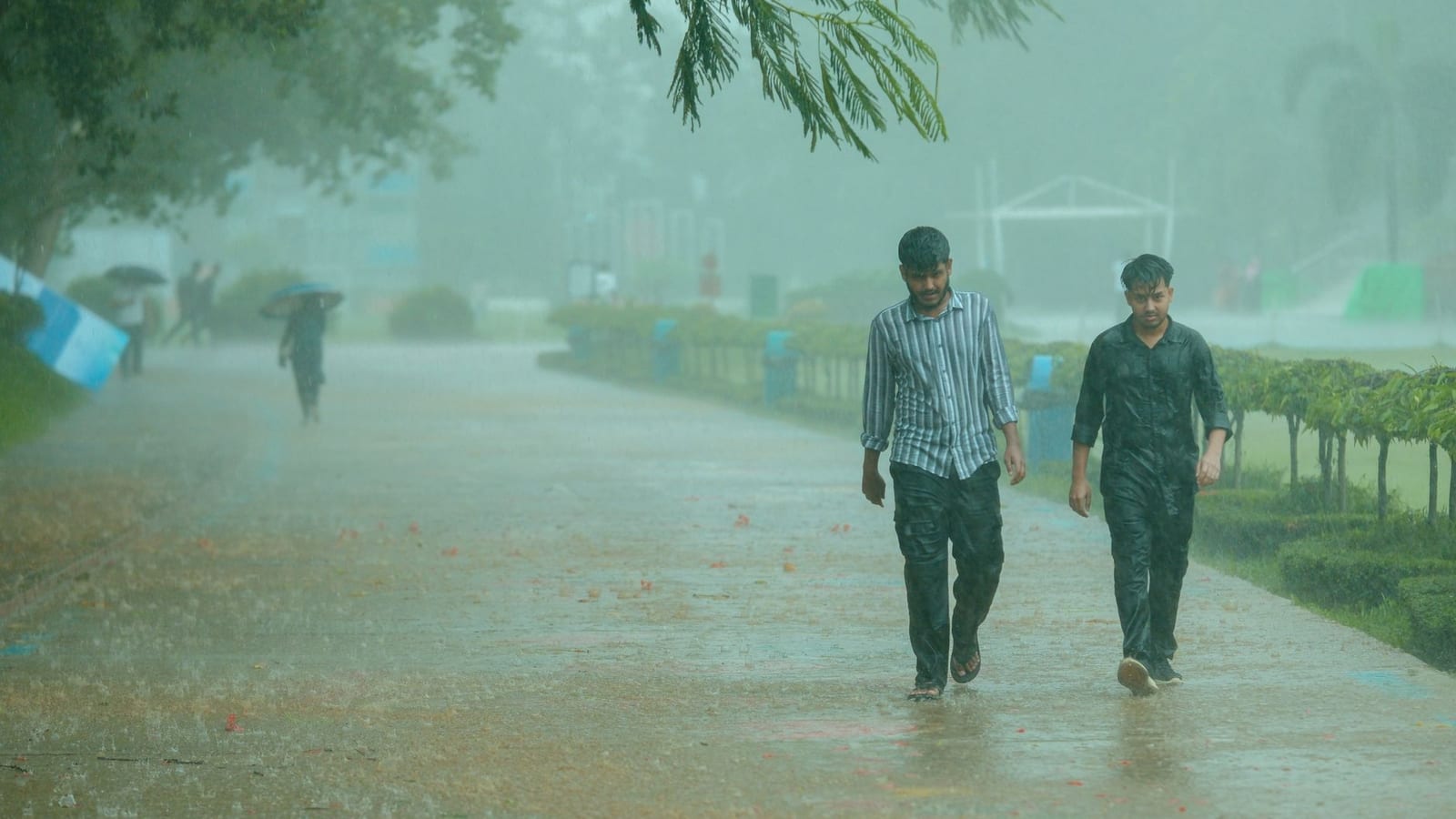
By breakfast on Saturday, July 4, many families across coastal Maharashtra faced one question: step out or stay in?
That is what a red alert does. It turns weather from background noise into a household decision.
The India Meteorological Department has warned that active monsoon conditions may bring extremely heavy rain over Konkan and Madhya Maharashtra. In plain English, this means rain heavy enough to flood roads, delay trains, snap power lines, and trap people in the wrong place.
Red alert puts cities on edge
Mumbai and several nearby districts are now bracing for a rough monsoon spell. The IMD’s July 3 bulletin said extremely heavy rain may hit parts of Konkan and Madhya Maharashtra between July 3 and July 6.
A red alert is not a polite weather note. It tells local authorities to act. Schools may close, traffic police must plan diversions, and disaster teams must stay ready.
For office-goers, this is the familiar Mumbai monsoon drill. Keep shoes in a bag, check train updates, and call home before leaving work. But this time, the warning covers a wider belt.
The state has seen this pattern before. Rain does not need to fall for ten hours to cause trouble. One intense burst during peak traffic can choke a flyover, a station road, or a market lane.
Schools and offices face disruption
The immediate worry is simple. Children, daily commuters, delivery workers, and small traders cannot pause life easily.
Some districts have already moved toward closing schools and colleges where heavy rain may hit hardest. That decision may look routine, but it changes the full day for working parents.
In a middle-class home, one school holiday during a storm is not just a child staying indoors. It means one parent works from home, a maid may not arrive, and meals need re-planning.
For workers paid by the day, the math is harsher. A missed shift means lost income. A flooded bus stop means waiting longer, often without any clear update.
Businesses also read red alerts differently. A large office can shift calls online. A kirana store owner in a low-lying market cannot move stock so easily.
A few inches of water can damage grain sacks, biscuits, packaged food, and electrical fittings. Insurance rarely works smoothly for such small losses.
Monsoon pressure goes beyond Mumbai
The warning also matters because Maharashtra is not just Mumbai and its suburbs. The rain belt touches ports, highways, farms, tourism towns, and industrial clusters.
Konkan’s problem is geography. Hills on one side, the sea on the other, and narrow roads in between. When rain comes hard, water has few gentle exits.
Madhya Maharashtra faces a different risk. Heavy rain can swell local streams and hill roads quickly. The danger often appears before people get formal warnings.
Vidarbha has already seen very heavy rain in parts, as per the IMD’s recent observations. That matters for farmers who are planning sowing, inputs, and early crop protection.
For a farmer, rain is not automatically good news. Too little rain delays sowing. Too much rain washes away seed, damages soil, and forces extra spending.
The state’s urban economy also depends on movement. Trucks carrying food, construction material, medicine, and fuel cannot work around flooded choke points forever.
One broken link in transport affects many people. A delayed vegetable truck can raise prices in a neighbourhood market by evening.
Safety failures need faster fixes
The red alert lands at a time when public-safety concerns are already sharp in Nagpur. A woman reportedly died after coming into contact with a broken power line in the Tajbagh area.
That tragedy is not just a local accident. It is a reminder of what monsoon stress does to weak civic systems.
Loose wires, open drains, tilted poles, and dug-up roads become far more dangerous in rain. The city may call them routine repair issues in summer. The monsoon exposes them without mercy.
Nagpur also saw a school van accident near Panchsheel Chowk, where several students were reported injured. The incident again raises the old question of road discipline around children.
When rain warnings intensify, such risks multiply. Visibility drops, braking distance grows, and impatient driving becomes costly.
In Thane, a truck carrying jaggery met with a serious accident after a container hit it from behind near Kasarvadavali bridge. Freight movement during bad weather needs stricter caution.
This is where local government must move beyond alerts. People need clean drains, safe wiring, working streetlights, and clear traffic messages.
A red alert can warn a city. It cannot unclog a drain at midnight.
What residents should watch now
For ordinary residents, the next few days need boring but useful discipline. Avoid unnecessary travel, especially near underpasses, seafronts, hill roads, and flooded lanes.
Parents should track school notices from district authorities, not WhatsApp rumours. Commuters should check official train and bus updates before leaving.
Housing societies should inspect pumps, basement parking areas, exposed wires, and terrace drains. Small checks can prevent large damage.
Shopkeepers in flood-prone markets should lift stock off the floor. It sounds basic, but basic steps save money during sudden waterlogging.
Fishermen and coastal workers must take marine warnings seriously. The IMD has advised caution along the Konkan coast and nearby Arabian Sea stretches.
The larger lesson is plain. Maharashtra cannot treat every monsoon alert as a seasonal drama that comes and goes.
The state now runs on tight schedules, long commutes, fragile supply chains, and crowded housing. Heavy rain hits all of them together.
A red alert should therefore be read as a test of readiness, not just a forecast. For citizens, it means caution. For authorities, it means proof.
If the rain passes with limited damage, people will move on quickly. They always do. But the real work begins after the clouds clear, when drains, roads, power lines, and school routes must be fixed before the next warning arrives.