Leopard Attack Kills Farmer as Maharashtra Faces Storms
A Vidarbha farmer died in a leopard attack as Chandrapur villages faced storm damage and Nagpur railway workers protested, highlighting rural risks.
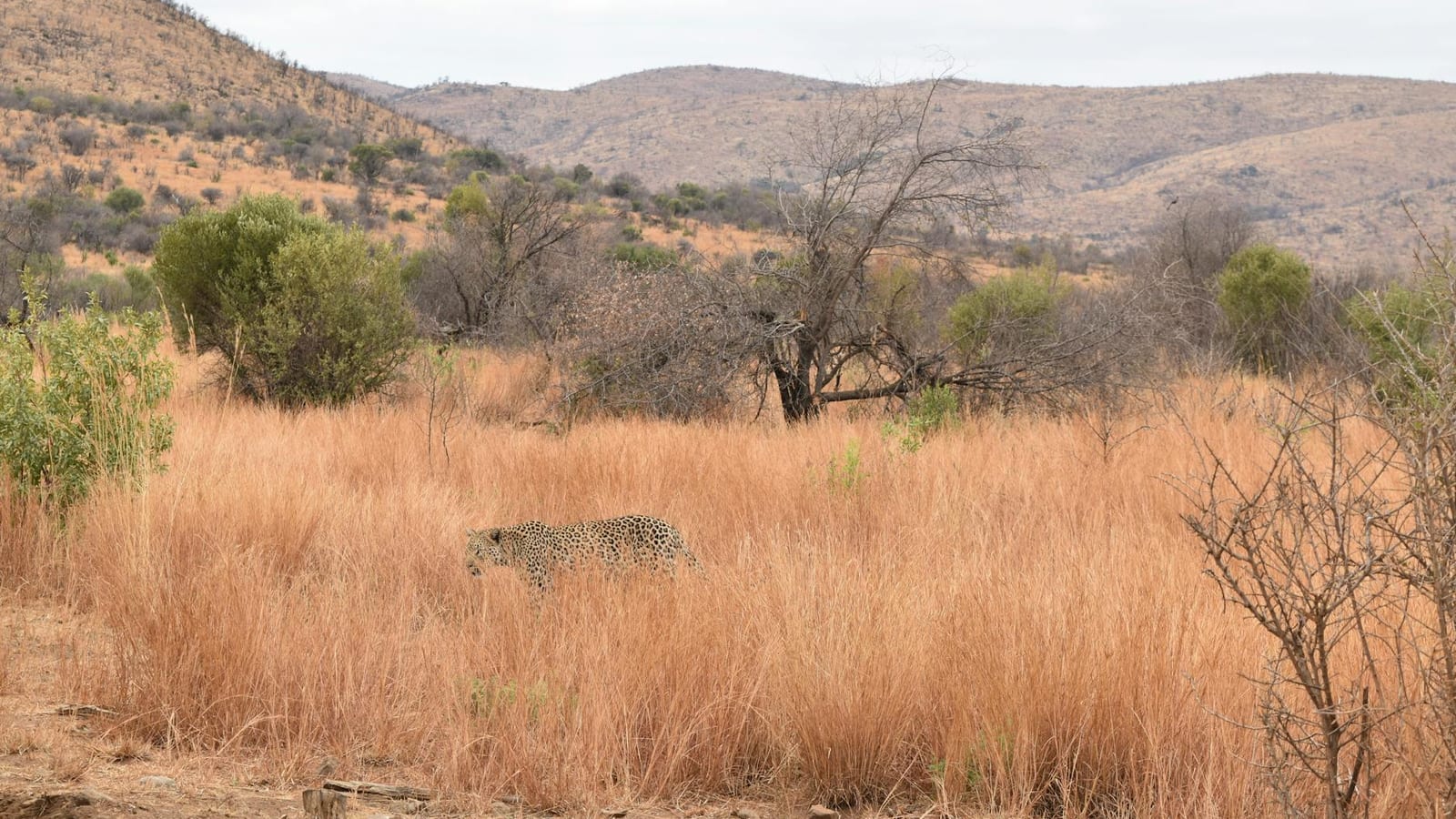
A farmer went out to collect grass with his wife. He did not return home alive.
That one line captures the kind of day Maharashtra had. A leopard attack in Vidarbha, storm-hit villages in Chandrapur, railway workers on the streets in Nagpur, and fresh political arguments over development and elections.
These are not disconnected headlines. Together, they show a state dealing with old risks and new anxieties at once.
Vidarbha’s rural risks return sharply
In Bhandara, a 50-year-old farmer, Baburao Natthuji Pillewan, died after a leopard attacked him near farmland in Kodurli, Pawni taluka. He had gone with his wife to bring grass from the fields.
For families in forest-edge villages, this fear is not abstract. A routine farm errand can turn dangerous within seconds. The source material says the animal was hiding before it attacked.
Such incidents also raise a hard question for local officials. How does a state protect both people and wildlife when farming, grazing, and forests overlap every day?
The answer cannot be only compensation after a death. Villages need faster alerts, better tracking, and clearer rules for risky zones. Farmers cannot pause work because a leopard may be nearby.
Storm damage leaves families exposed
In Chandrapur, strong winds hit 27 villages and damaged homes, cattle sheds, and power lines. The early assessment mentioned 44 affected families, 96 damaged sheds, and 21 animal deaths.
Twenty electric poles also collapsed, cutting power supply in several places. For city readers, that may sound like a temporary inconvenience. In rural homes, it hits water pumps, mobile charging, study hours, and small businesses.
The damage to cattle sheds matters deeply. Livestock often acts like a family’s savings account in villages. When animals die, the loss is not just emotional. It hurts milk income, farm work, and household security.
Officials started panchnamas, the formal damage surveys used for relief claims. But villagers know the drill. The paper process often moves slower than the repair need.
The summer storm also reminds us that extreme weather no longer waits for the monsoon. Heat, sudden rain, wind, and crop stress now arrive in messy combinations.
Nagpur sees jobs and drug worries
In Nagpur, railway employees protested against a decision linked to surrendering 30,000 posts. Hundreds of workers gathered in harsh heat and raised slogans around saving railways and jobs.
For railway families, a post is not just a line in a government file. It means a salary, housing stability, education loans, and future security.
When public sector jobs shrink, the effect travels beyond employees. Coaching centres, rental markets, local shops, and small towns around railway colonies also feel the squeeze.
Nagpur also saw another worrying number. The Government Medical College and Hospital’s drug treatment clinic has treated 536 people, with doctors seeing a changing patient pattern.
The report points to younger users and substances ranging from ganja to MD, or mephedrone. MD is a synthetic stimulant. In plain words, it is a lab-made drug that can quickly damage health and judgement.
This is the sort of story families often detect late. Parents see changed sleep, anger, missing money, or falling marks. By then, the habit may already need medical help.
A treatment clinic helps, but it is only one piece. Schools, police, families, and neighbourhood doctors need to catch warning signs earlier.
Crime and politics run alongside
Bhandara also reported a separate case where a young man’s bloodied body was found near a pond on Gadkumbhli Road. The man had been accused in a rape and POCSO case and had come out on bail.
That detail will naturally fuel public anger. But serious crime cases need careful investigation, not street-side verdicts. Police must establish who killed him and why.
The POCSO Act protects children from sexual offences. Cases under it carry heavy emotional weight. Still, even an accused person’s death must face the same legal test as any other murder.
Maharashtra’s politics also stayed noisy. Congress leaders, MPs, and MLAs held a state-level strategy meeting linked to the SIR campaign.
Congress leader Harshvardhan Sapkal said party workers were upbeat in many places. That line matters because ground morale often shapes campaign energy more than press conferences do.
On the other side, BJP leaders attacked Sanjay Raut and the Maha Vikas Aghadi in sharp language. Maharashtra politics has always enjoyed a street-fight vocabulary, but voters still judge delivery.
Expressway pitch meets real doubts
Deputy Chief Minister Eknath Shinde spoke about a proposed expressway from Mumbai to Gadchiroli. He called it a development route and linked it to remote-region growth.
The idea is politically powerful. Mumbai sits at one end of Maharashtra’s wealth map. Gadchiroli sits at the other end of its development challenge.
Better roads can change trade, health access, education, and tourism. A faster route can help farmers move produce and patients reach hospitals sooner.
But roads do not automatically create development. They need safety, fair land acquisition, local jobs, and strong last-mile links. Otherwise, the expressway benefits contractors and passing traffic more than local people.
Shinde also said development in remote areas needs an emotional bond with local society. That is a useful line, if it turns into patient governance.
Gadchiroli and other remote regions need trust as much as tar. People watch whether the state brings schools, hospitals, internet, and markets, not only announcements.
Mahabaleshwar offered a softer contrast. Mist, light rain, and cool weather pleased tourists during summer. Hotels and resorts saw strong activity, and visitors enjoyed boating in the chill.
That too is part of Maharashtra’s split-screen reality. One district deals with storm damage. Another welcomes tourists escaping the heat. A third worries about drugs. A fourth mourns a farmer.
The deeper story is this. Maharashtra is not short of activity, ambition, or political noise. It is short of steady follow-through where ordinary people meet the state.
For a farmer’s family, a storm-hit household, a railway worker, or a worried parent, governance is not a slogan. It is whether help arrives before life breaks.