Lokmat App Targets Daily Habit Across Regional Media
Lokmat's multilingual app push shows how regional media is using local news, video, cricket and entertainment to become a daily phone habit.
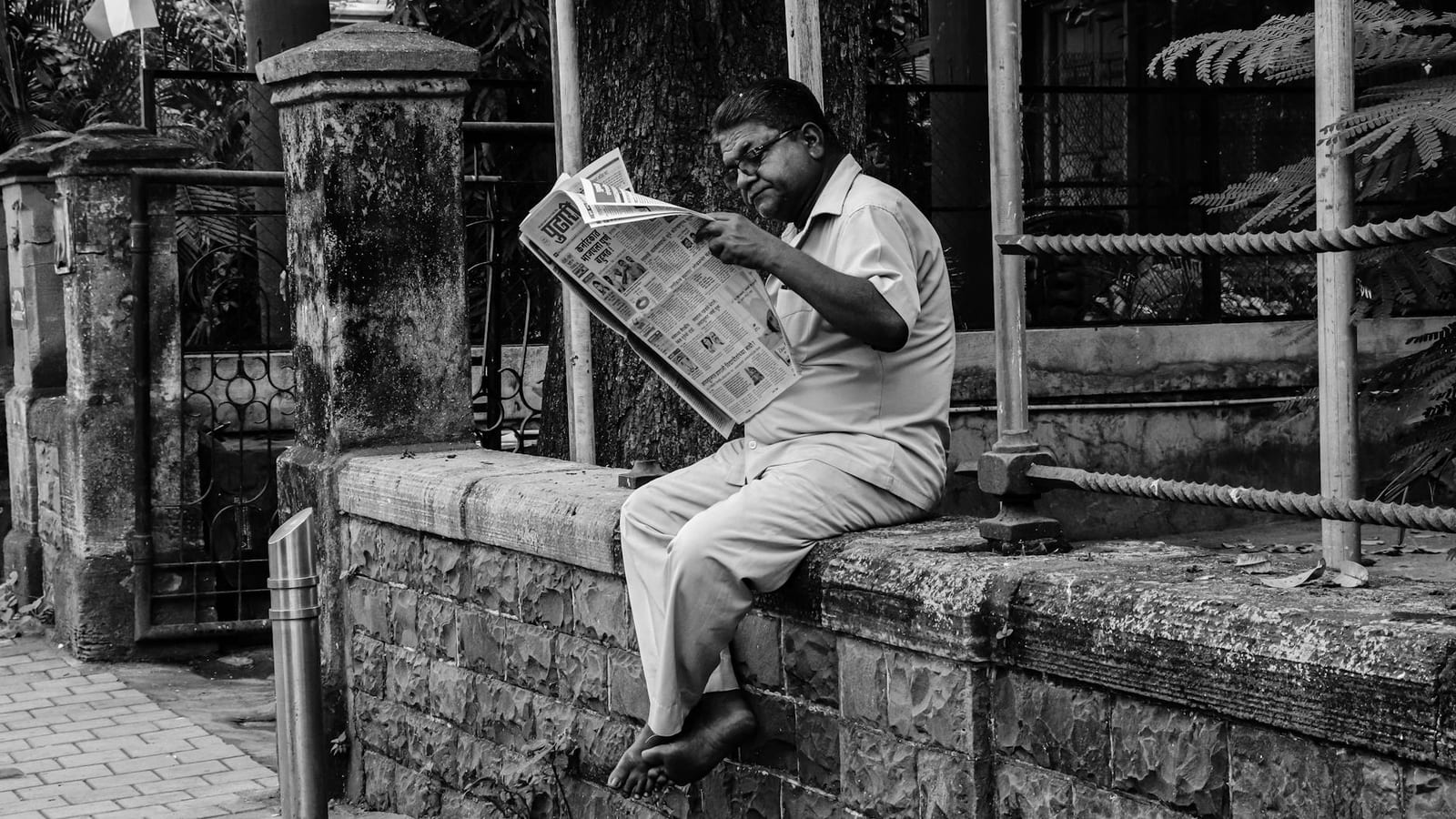
A phone screen has become the new morning newspaper for millions of Indians.
That is the simple bet behind Lokmat Media Private Limited pushing its news and infotainment app across Marathi, Hindi, and English readers. The pitch is not just news. It is local updates, cricket, politics, films, videos, photo galleries, and offline reading in one place.
For entertainment businesses, that matters. The fight for attention now starts before a film trailer drops. It starts inside the apps people open on buses, in office lifts, and during chai breaks.
Regional apps chase daily attention
Lokmat Media Private Limited says its app offers round-the-clock news updates in Marathi, Hindi, and English. The mix covers politics, crime, cricket, business, gadgets, automobiles, Bollywood, Marathi cinema, and entertainment.
That tells us where regional media is headed. It no longer wants to be only a newspaper brand. It wants to become a daily habit on the phone.
The app also promises local city news from more than 50 cities and towns across Maharashtra and Goa. That local layer is important. National apps can cover Delhi and Mumbai well. They often struggle with smaller cities.
For a reader in Kolhapur, Nashik, Nagpur, Aurangabad, or Panaji, local alerts can matter more than national headlines. A road closure, a political visit, a school update, or a local crime story can decide whether an app stays installed.
This is also where entertainment coverage becomes more useful. Marathi cinema does not travel through the same publicity machine as Hindi films. A strong local app can give regional films a better chance of being discovered.
Entertainment is now app-first
The app’s entertainment offering includes Bollywood, Hollywood, Marathi cinema, videos, and photo galleries. That may sound routine. But it reflects a larger shift in how film publicity works.
Earlier, a film’s campaign leaned heavily on TV interviews, newspaper listings, and outdoor posters. Now, a large part of the buzz builds through mobile notifications, short clips, image galleries, and quick updates.
For Bollywood, this is already standard practice. A teaser, a poster, a song, or a casting update can dominate social media within minutes. Regional cinema has been slower to get that scale, partly because the discovery channels are fewer.
That is why Marathi cinema coverage inside a regional app has business value. It can place a film next to local news, cricket scores, and political updates. The reader may not open a dedicated film app. But they may tap on a movie story while checking city headlines.
This helps producers too. A small or mid-budget Marathi film cannot always spend heavily on national campaigns. It needs sharp, local visibility. Regional news apps can offer that bridge between film marketing and daily readership.
The same applies to events, celebrity appearances, music launches, and local theatre. Maharashtra has a deep performance culture. But attention is fragmented. A mobile platform can gather some of that scattered audience.
Features built for Indian routines
The app highlights text-to-audio, offline reading, bookmarks, night mode, font size controls, and data-saving options. These are not cosmetic features in India. They fit how people actually consume news.
Text-to-audio helps commuters who cannot keep staring at a screen. Offline reading helps people who travel through patchy networks. Data-saving settings matter for users who still watch every megabyte.
That last point is easy to miss from an air-conditioned newsroom. Many users do not treat mobile data as unlimited, even when plans look cheap on paper. They switch off images, use Wi-Fi when possible, and avoid heavy apps.
Night mode and font controls also widen the audience. Older readers may need larger text. Younger readers may browse late at night. A simple design choice can decide whether a reader returns tomorrow.
The app also lets users customise notifications by category. That matters because notification fatigue is real. If every app shouts all day, people mute everything.
For entertainment coverage, smarter alerts can work better than louder alerts. A user interested in Marathi cinema may want film updates, not every crime alert. Another user may want cricket and politics, but not celebrity galleries.
This kind of personalisation is now basic hygiene in digital media. The surprise is not that the feature exists. The surprise is how many apps still make readers work too hard.
The business behind local content
The larger story is about control. Media companies want a direct relationship with readers, without depending fully on social media platforms.
When a reader opens a news app, the publisher controls the layout, alerts, categories, and reading experience. On social media, an algorithm decides what travels. That algorithm may favour outrage one day and comedy clips the next.
For entertainment desks, direct reach matters even more. Film news has become crowded. One casting update appears on dozens of pages within minutes. The platform that reaches the right reader first has an edge.
Regional language also changes the equation. Marathi, Hindi, and English inside one app lets the company serve mixed-language households. Many Indian families consume news in more than one language every day.
A parent may prefer Marathi. A college-going child may read English headlines. Another family member may switch to Hindi entertainment updates. One app can serve all three, if the experience feels smooth.
This is where the app’s language-switching feature becomes commercially useful. It is not just a convenience. It keeps more people inside the same ecosystem.
The app also includes sharing through WhatsApp, Facebook, Twitter, email, and other channels. In India, WhatsApp remains a powerful distribution pipe. A local story or film clip can move through family groups faster than any formal campaign.
For producers, actors, and regional studios, that sharing behaviour can create real momentum. A trailer link shared in ten neighbourhood groups can do more for a small film than a polished national post that reaches the wrong audience.
The next phase of Indian entertainment coverage will not depend only on big launches and star interviews. It will depend on daily discovery, local trust, and useful alerts that respect the reader’s time.
For ordinary readers, the promise is simple. The phone should bring them the news, films, sport, and local updates they care about, without making them dig. For media companies, the challenge is harder. They must earn that tap every morning, and keep earning it without shouting too much.