Maharashtra Passengers Face Heat as Train AC Fails
A delayed Nagpur special train with failed AC highlights rising frustration over basic public services and commuter comfort in Maharashtra.
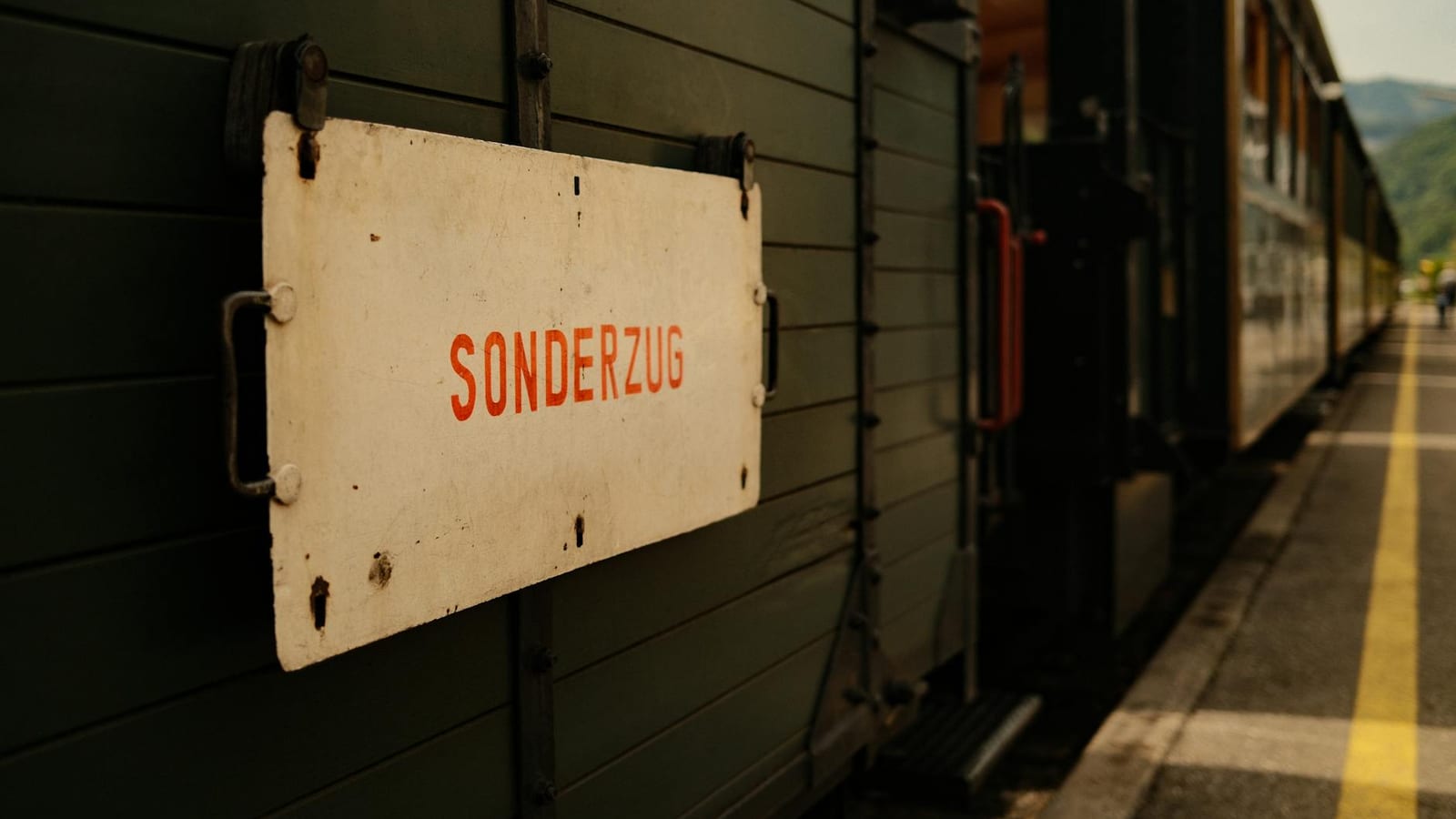
A train coach without working AC is not a small discomfort in a Maharashtra summer. It is a reminder of how quickly public systems can test ordinary patience.
Across Maharashtra, the week’s local news has carried the same quiet message. People are paying more, waiting longer, and expecting basic services to work.
From railway passengers in Nagpur to homebuyers in Amravati, the pressure points look different. But the complaint is familiar: the state must make daily life less exhausting.
Heat, delays and frayed tempers
Passengers on a special train from Nagpur had already faced a 24-hour delay. Then the AC system in the coach stopped working.
For families who paid extra for an air-conditioned journey, this was not a luxury complaint. In peak heat, a sealed coach can turn unbearable very quickly.
Rail passengers often accept delays with a tired shrug. But when a premium service fails, the anger rises faster. People feel they paid for relief and got a worse ordeal.
The railway system has expanded special trains to handle seasonal rush. That helps on paper. Yet extra trains mean little if basic maintenance fails inside the coach.
For a student, a senior citizen, or a parent travelling with children, heat is not an inconvenience. It can become a health risk.
Fuel prices hit daily travel
Nagpur’s transport sector is also feeling the pinch from repeated petrol and diesel price increases. Auto drivers have now sought a fare of Rs 22 per kilometre.
That number matters because autos are not casual transport for many Indians. They are the bridge between home, work, school, clinics and railway stations.
When fuel gets costlier, auto drivers cannot absorb the shock for long. Their margins are thin. They pay for fuel first, then take home what remains.
But passengers also have limits. A few extra rupees each trip can hurt a worker who travels daily.
This is where fuel inflation becomes personal. It does not stay inside oil company charts or state tax tables. It lands in the morning commute.
Rising fuel prices are also pushing more people to consider electric vehicles. The appeal is simple. If petrol keeps burning a hole in the wallet, charging looks cheaper.
The Centre has urged wider electric vehicle use, and subsidies have helped some buyers. But the shift is still uneven.
A middle-class buyer in Pune or Nagpur may look at an EV and ask three questions. What is the upfront price? Where will I charge it? What happens after the subsidy?
Until those answers become easier, EV adoption will grow, but not equally. Two-wheeler buyers may move first. Small businesses will move only when the numbers clearly work.
Housing relief and civic risks
In Amravati, the housing market has thrown up a more positive story. Buying property in a woman’s name can save families serious money.
The state offers a one percent stamp duty concession when a home is bought in a woman’s name. That may sound small, but on a flat worth lakhs, it helps.
For a family stretching to buy its first home, one percent is not loose change. It can cover furniture, repairs, legal costs, or part of the loan process.
The state has also removed a difficult condition linked to selling such property after 15 years. That should make the benefit more useful in real life.
Policies like this work best when they respect how families actually make decisions. A home is both shelter and savings. Flexibility matters.
But another housing story from Nagpur shows the darker side of urban schemes. Residents of a Pradhan Mantri Awas Yojana building reported contaminated water.
The complaint said sewage water had mixed with the drinking water tank for several days. Thirteen residents reportedly fell ill.
This is the part of affordable housing India still struggles with. Building flats is only half the job. Water, drainage and maintenance decide whether a home is livable.
For low-income families, a government-backed home carries hope. It also carries trust. When water turns unsafe, that trust cracks fast.
A bad water tank can undo months of policy work. It can also turn a welfare scheme into a daily fear.
Politics gathers around grievances
Farmers’ issues are again moving into political focus. Sharad Pawar group leader Shashikant Shinde warned that wider protests could follow if farmers face injustice.
That warning comes with a familiar backdrop. Maharashtra’s farm politics has always mixed distress, debt, crop prices and regional pride.
When farmers protest, governments often treat it first as a law and order problem. That misses the deeper signal.
Farmers do not come to the street for drama. They come when paperwork, procurement, compensation or crop losses leave them cornered.
The state government will need to read that mood carefully. Rural anger travels slowly at first, then suddenly shapes elections.
In Pune, Minister of State Madhuri Misal has demanded action against public animal sacrifice and slaughter events after complaints from some areas.
This is another kind of governance test. It touches law, religion, public order and local sentiment at once.
Authorities must act firmly where rules are broken. They must also avoid turning enforcement into public spectacle.
Local administrations face these delicate issues every week. The difference now is that every incident travels faster through phones and political networks.
The state keeps building
Nagpur will also get a third administrative building in the old secretariat area. The state has approved Rs 66.43 crore for the project.
The official reasoning is straightforward. More organised offices should speed up government work and help public projects move faster.
That sounds sensible. Anyone who has spent a day moving between government departments knows how tiring the process can be.
But buildings alone do not improve governance. Files must move. Staff must respond. Citizens must not be sent from one counter to another.
If the new building reduces delays for ordinary people, the spending will make sense. If it only adds another office block, the public will see through it.
There was also a smaller but telling story from Nagpur involving a student hostel. A girl who had asked for a cooler reportedly faced an order removing her from the hostel.
The Social Welfare Department later stayed that order until further instructions. The case drew attention because the student’s demand was basic during severe heat.
Hostels run for students from modest backgrounds carry a special duty. They are not just places to sleep. They protect access to education.
When a student asks for relief from heat, the first response should not feel punitive. Rules matter, but so does common sense.
That is the thread running through these stories. Maharashtra is not dealing with one single crisis. It is dealing with many small frictions that shape everyday trust.
A delayed train, a higher auto fare, unsafe water, a hostel dispute, a farmer warning, a new office building. Each looks local. Together, they tell a bigger story.
For ordinary readers, the lesson is simple. Governance is not only about big announcements. It is about whether the AC works, whether water is clean, and whether someone listens before anger spills over.