Maharashtra reels from Mulund crash, drownings and heat
A Mulund roadside crash, three student drownings and extreme heat above 46 degrees marked a grim stretch of Maharashtra news.
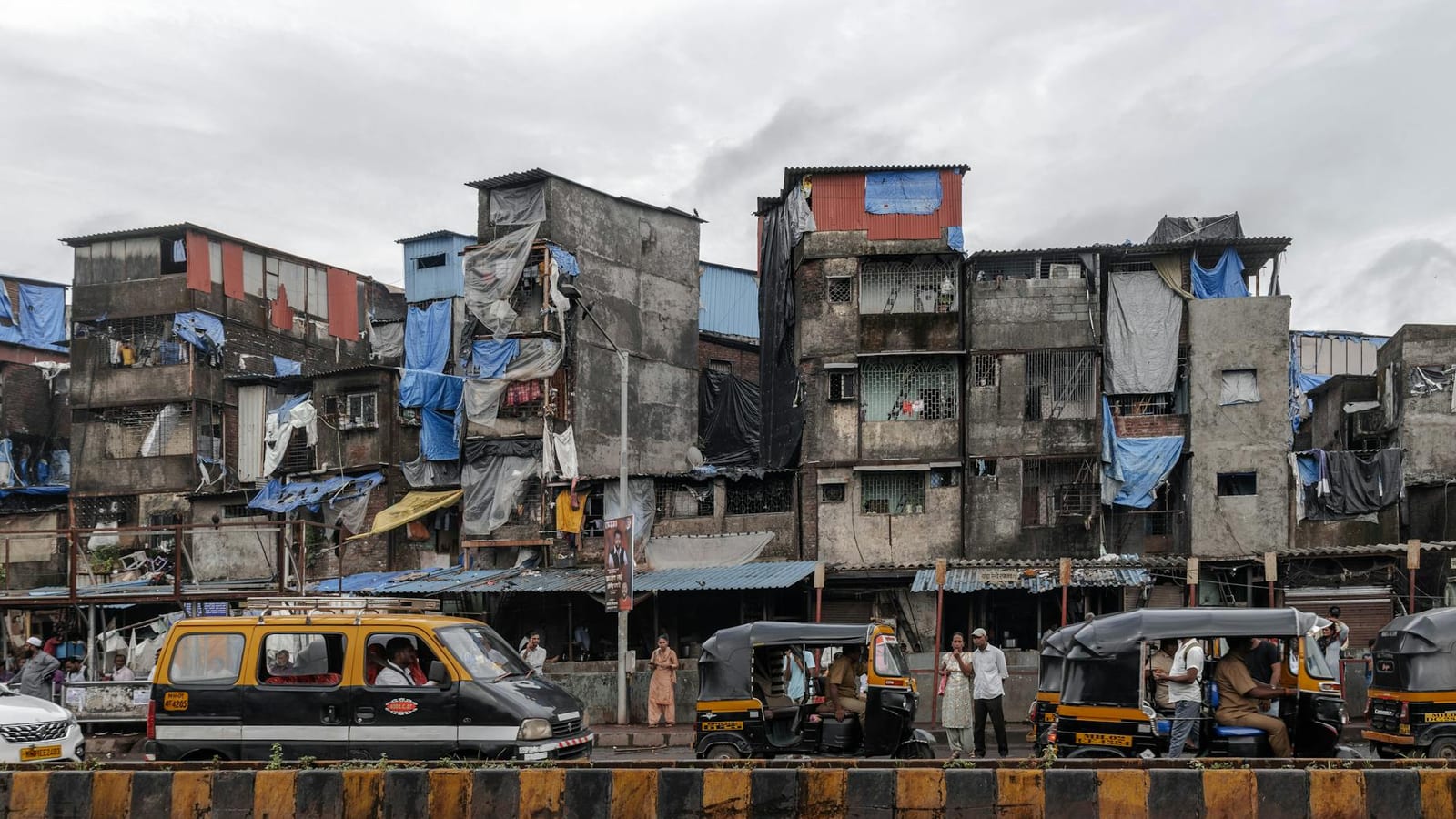
A car hits a vegetable stall. Three MBA students drown in a storage pond. Temperatures cross 46 degrees.
That was Maharashtra in one difficult sweep of news, where daily life kept colliding with danger, weather, debt, crime, and small flashes of rural enterprise.
The state’s latest updates do not tell one neat story. They tell many small ones. Together, they show how fragile ordinary life can become when roads, heat, money pressure, and public safety fail at once.
Road tragedy in Mulund
In Mumbai’s Mulund area, a car crashed into a vegetable shop, killing one woman and injuring two others. Police are expected to examine how the vehicle lost control and whether speed or driver error played a role.
For a city like Mumbai, this is not just another accident line. Pavement stalls, small shops, and roadside vendors sit very close to moving traffic. One bad turn can destroy a working family’s day, or worse.
The victim was not in a risky place by choice. She was in a normal public space, the kind millions use every day. That is what makes such crashes feel so unsettling.
Urban India often talks about flyovers and expressways. But basic street safety still decides whether people return home from work, shopping, or school.
MBA students drown in Ahilyanagar
In Ahilyanagar, three second-year MBA students drowned in a storage pond in Chandrapur village on Thursday evening. The incident took place around 5 pm.
All three were studying at a local college. Their deaths have shaken the area, especially because they were young men near the start of their careers.
Storage ponds are common across Maharashtra, especially in areas that depend on collected water. They help farmers and villages, but they can also become deadly without fencing, signs, or rescue support.
This is the part we often miss. Public safety is not only about police stations and CCTV. It is also about whether a water body has a warning board.
For families investing in higher education, an MBA is a promise. It means better jobs, better salaries, and perhaps a different life. A drowning like this cuts through that hope brutally.
Local authorities will now face questions about safety around such ponds. But the larger question is simpler. Why do so many useful public assets remain unsafe for the public?
Heat gives way to rain
After a punishing heatwave, Vidarbha is likely to see a shift in weather. Nagpur, Wardha, and Gondia crossed 46 degrees, leaving residents struggling with heat and humidity.
The forecast now points to unseasonal rain over the next four days. For Nagpur and nearby districts, this may bring some relief from the sharp heat.
But relief is not the same as comfort. Sudden weather changes also create problems for farmers, small traders, and daily wage workers.
A vegetable seller cannot simply close shop because the sky turns harsh. A delivery worker cannot wait for better weather. A farmer cannot move fields indoors.
This is where climate stress becomes very real. It does not arrive as a big policy speech. It arrives as a 46 degree afternoon, followed by surprise rain.
Maharashtra has seen this pattern more often in recent years. Extreme heat, sudden showers, crop uncertainty, and rising health risks now sit inside normal life.
For urban residents, the immediate worry is heat illness. For rural families, it is crop damage and water stress. For workers, it is lost wages and unsafe work hours.
Crime and pressure on streets
In Wardha, Hinganghat police arrested three suspected interstate burglars after a chase. Police said the gang targeted locked homes in Adilabad, Kamareddy, and Warangal districts.
Officials also recovered jewellery worth Rs 46.46 lakh. The case shows how burglary networks now move across district and state lines with ease.
For middle-class families, gold is not only decoration. It is emergency savings, marriage security, and old-age backup. Losing jewellery can feel like losing years of careful saving.
In Pune, another report raised concerns over the conduct of finance company employees. A man alleged that staff abused his wife and slapped him after loan instalments were delayed.
Loan recovery has become one of urban India’s quieter stress points. Many households borrow for vehicles, phones, small businesses, or medical needs.
When income becomes irregular, missed instalments quickly turn into fear. Recovery staff can then become the face of a much larger financial squeeze.
The law allows lenders to recover dues. It does not allow humiliation or violence. That line matters, especially for working families already under pressure.
In Pimpri-Chinchwad, a video showing a man assaulting his girlfriend went viral. Police action may not move ahead, as the woman reportedly declined to file a complaint.
She described it as a personal dispute and said she did not want police intervention. Such cases reveal how complicated violence can become once it enters private relationships.
A viral video may shock viewers for a day. But the person at the centre must live with the social, emotional, and legal consequences.
Khadi sales cross a milestone
Away from crime and tragedy, Khadi and Village Industries marked a striking business number. Sales have crossed Rs 1.87 lakh crore.
The sector has grown fivefold over 12 years. Production has risen 380 percent, while sales have grown 510 percent.
These numbers matter because khadi and village industries touch a different India. They connect artisans, small producers, women’s groups, rural units, and local buyers.
For decades, khadi carried the weight of history. Today, it also carries a market story. People buy it for identity, comfort, sustainability, and sometimes simple affordability.
A Rs 1.87 lakh crore turnover means the sector is no longer symbolic alone. It has become a serious rural economy engine.
Still, the real test lies below the headline figure. Are artisans earning more? Are payments timely? Are younger workers entering the sector with confidence?
Growth looks best when it reaches the person spinning, stitching, processing, packing, and selling. Otherwise, a big number stays distant from the worker.
Maharashtra’s day of news had grief, heat, crime, anger, and enterprise packed together. That is often how real life works. For ordinary readers, the message is plain. Safety cannot remain an afterthought, whether on roads, near ponds, during heatwaves, or inside debt recovery. Growth matters, but dignity and basic protection matter just as much.