Mumbai Siddhivinayak revamp begins with Rs 78 crore phase
Maharashtra starts the first Rs 78 crore phase of Siddhivinayak Temple's Rs 500 crore redevelopment, testing crowd, traffic and civic planning.
A temple queue, a blocked highway, a hotter kitchen bill, and a burning Vidarbha sun. Maharashtra’s day had all of it.
These are not separate stories for people living through them. They are the same pressure felt in different ways. A commuter stuck near the Mumbai-Goa route, a family buying vegetables in Nagpur, a devotee visiting Prabhadevi, all read the state’s mood differently.
Siddhivinayak redevelopment gets moving
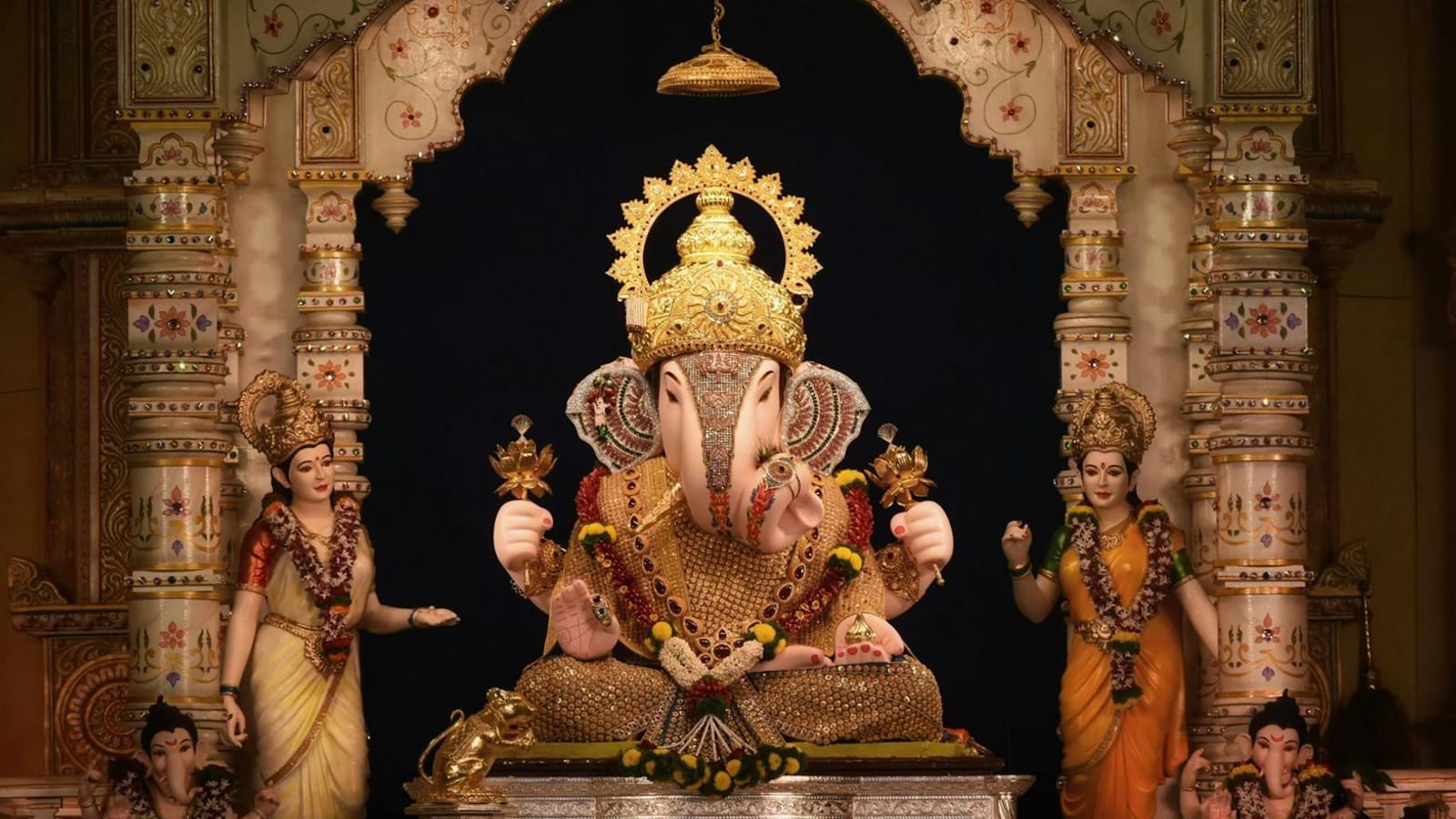
Chief Minister Devendra Fadnavis performed the ground-breaking ceremony for the first phase of the Siddhivinayak Temple redevelopment plan in Mumbai.
The larger plan is pegged at Rs 500 crore. The first phase will cover works worth Rs 78 crore, according to the state government.
For Mumbai, this is not just another temple upgrade. Siddhivinayak sits inside one of the city’s most crowded religious and traffic zones. Any change there affects devotees, shopkeepers, residents, and daily commuters.
The real test will be execution. Mumbai has seen many ambitious civic plans slow down once roads, permissions, parking, security, and local business interests collide.
If the project improves crowd movement and basic facilities, devotees will feel it quickly. If it adds only construction stress, Prabhadevi residents will feel that first.
Highway anger after Goa assault
Tension rose on the Mumbai-Goa Highway after supporters of Shiv Sena blocked traffic over an alleged assault in Goa.
The incident involved Suraj Parab, personal assistant to Sawantwadi MLA Deepak Kesarkar, and members of his family. They had reportedly travelled to Goa when the attack took place.
The protest brought the highway to a halt, turning a personal security issue into a public disruption. For travellers, such blockades are never abstract politics. They mean missed trains, delayed goods, and families stranded for hours.
The Mumbai-Goa highway already carries a long history of public frustration. Delays, road quality, and accident concerns have made it politically sensitive across the Konkan belt.
When anger spills onto this road, it travels fast. Local leaders know that. So do ordinary people who depend on it for work, trade, tourism, and family travel.
Nagpur feels the price pinch
In Nagpur, the kitchen has become the clearest inflation meter.
Fuel prices have pushed transport costs higher, with petrol crossing Rs 108 and diesel moving beyond Rs 95. Traders say this has made movement of goods more expensive.
That cost does not stay inside trucks. It reaches vegetables, grains, cooked meals, and even the humble thali. By the time a household buys daily food, several small increases have already piled up.
For a family managing a fixed salary, this is the part of inflation that hurts most. Nobody sits with a spreadsheet before buying onions, tomatoes, or cooking oil. They simply notice the bag getting lighter.
The anger from households is not hard to understand. If fuel remains costly, everything transported by road becomes vulnerable. In India, that means almost everything.
This is where state politics meets the dinner plate. Leaders can debate taxes and global crude prices. A homemaker only sees the monthly budget slip out of control.
Heat, policing, and city pressure
Vidarbha has entered another punishing summer spell, with the Navtapa period beginning on a harsh note.
Bramhapuri was reported among the hottest places in the country for the second straight day. For residents, this is not just weather news. It means health risks, work disruption, and higher electricity use.
Daily wage workers, street vendors, traffic police, and delivery staff carry the worst burden. Heat does not affect everyone equally. A person in an air-conditioned office experiences a different summer from someone selling fruit by the roadside.
Nagpur police are also adding technology to street patrolling. The city police plan to use Segway-style balancing scooters in crowded markets and busy areas.
The idea is simple. Police can move faster through packed streets where larger vehicles struggle. In markets, visibility often matters as much as speed.
Such technology can help, but only if officers use it where it fits. Indian cities need practical policing, not gadgets for photographs. Crowded bazaars need presence, quick response, and trust.
Politics and administration stir
Fadnavis also praised the Union government’s push towards self-reliance, saying India had moved away from a position of dependence.
That message fits the BJP’s wider political pitch around national confidence and economic strength. In Maharashtra, it also feeds into the ruling alliance’s campaign language before local body battles.
Revenue Minister Chandrashekhar Bawankule took a swipe at Congress over reports that some councillors in eastern Vidarbha were unreachable. His remark came as local body elections drew closer.
Such comments may sound like routine political banter. But before civic polls, councillors matter deeply. They control booth-level networks, local loyalties, and neighbourhood equations.
In Amravati, forest range officers from the 2021 batch have raised concerns over postings and zone allocation. They allege unfair treatment in transfers linked to choice postings.
Administrative disputes rarely draw public attention. Yet they shape how departments function. If officers believe postings are unfair, morale suffers inside the system.
Pune police also seized 82 bottles of a harmful medicine allegedly sold for intoxication and arrested one person. Officials warned that misuse without medical advice can cause serious health risks.
This is another quiet urban worry. Medicines meant for treatment can become street substances when regulation fails. Families often discover the danger only after damage begins.
Maharashtra’s news cycle can look scattered from a distance. Temple funds, highway anger, fuel costs, heat, policing, politics, transfers, and drug misuse seem unrelated.
But for ordinary readers, the pattern is clear. The state is growing, spending, arguing, and sweating all at once. The question now is whether public systems can keep pace with daily life. That answer will matter far beyond one news day.