Piyush Mishra revisits NSD campus in Delhi video
Piyush Mishra shared a nostalgic video from Delhi’s National School of Drama campus, recalling the theatre training that shaped his career.
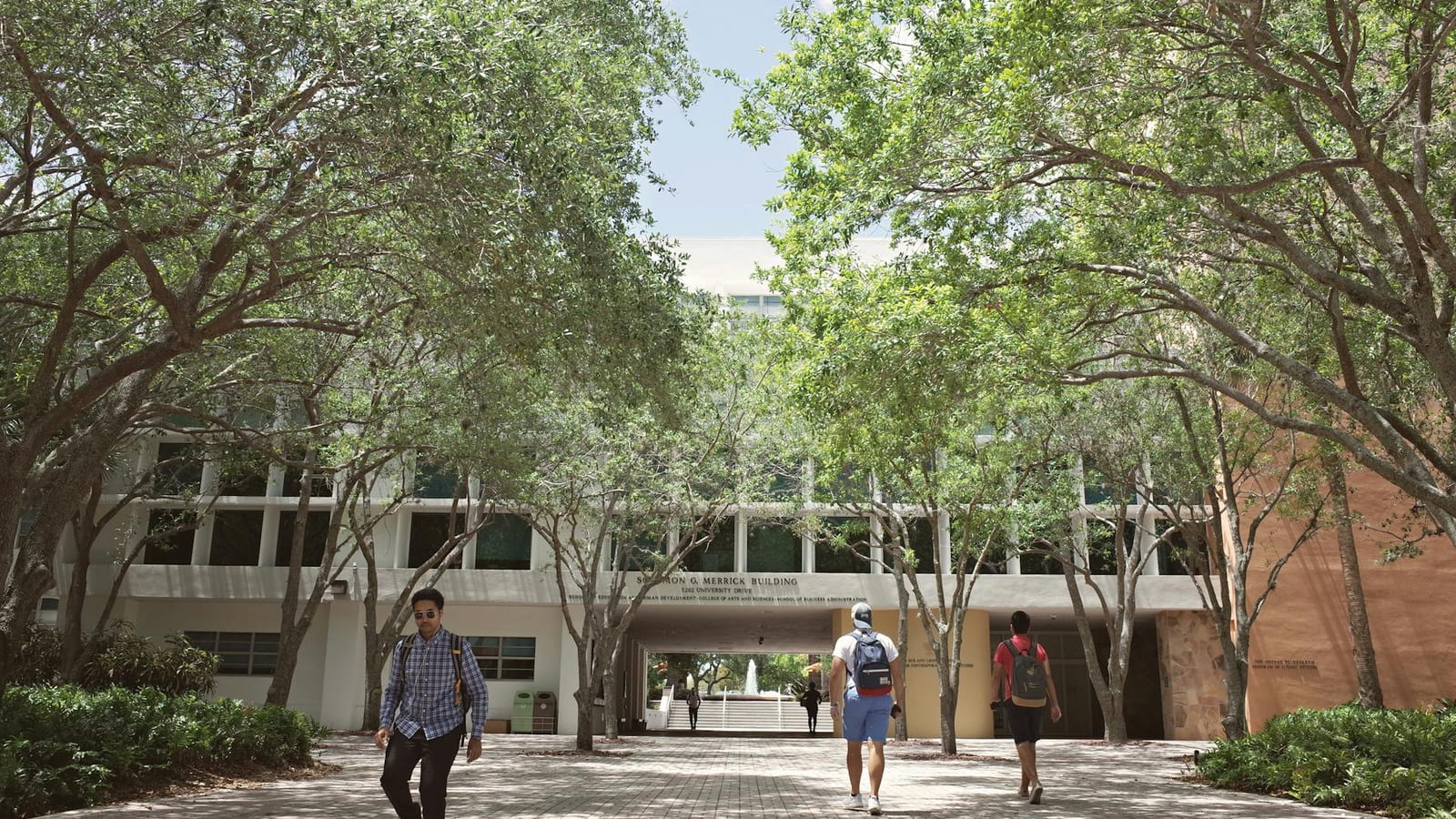
A short campus walk can sometimes say more than a long career speech.
Piyush Mishra returned to the National School of Drama campus in Delhi this week, and shared a video from the place that shaped him. For an actor, writer, singer, lyricist, and composer who has lived many creative lives, the visit carried a simple message. Before cinema discovered him, theatre had already done the hard work.
In the video, Mishra walks through the NSD campus and points towards a tree. He does not need to explain much. Anyone who has spent years in an arts campus knows that old corners remember more than classrooms do.
A campus that shaped the artist
Mishra graduated from NSD in 1986. That detail matters because his career did not begin with a marketing launch or a star family push. It came from training, discipline, and long years of stage work.
He added his poem, “Woh purane din, woh suhaane din”, as the background track for the video. The choice felt natural. Mishra has always carried poetry into performance, and performance into song.
For younger viewers, he may be the intense face from Gulaal or Gangs of Wasseypur. For older theatre watchers, he belongs to a line of actors who earned their craft before fame arrived.
That is why this visit has travelled beyond nostalgia. It reminds the film industry of something it often forgets. Some actors are not manufactured by visibility. They are built by rehearsal rooms.
Why NSD still matters
NSD remains one of India’s most respected training grounds for stage and screen actors. Its influence runs through Hindi cinema, television, independent films, and theatre circuits across the country.
The school does not just teach acting as dialogue delivery. It trains the body, voice, timing, silence, movement, and stage presence. These are dull words until an actor like Mishra walks into a frame.
His screen presence often works because he seems lived-in. He rarely looks like a performer trying to impress the camera. He brings the weight of a man who has watched society closely.
That comes from theatre. It also comes from years of writing, singing, composing, and performing outside the neat boxes of Bollywood.
For the film business, this matters more than it may seem. Streaming platforms, smaller films, and ensemble dramas now need actors who can hold complex parts. Star power still sells, but trained performers keep stories believable.
From Dil Se to Gulaal
Mishra made his film acting debut with Mani Ratnam’s Dil Se, which starred Shah Rukh Khan and Manisha Koirala. The film gave him an entry into cinema, but not the usual glossy path.
Over the years, he worked across films like Maqbool, Rockstar, Tamasha, Pink, Tere Bin Laden: Dead Or Alive, Happy Bhag Jayegi, Gulaal, and Gangs of Wasseypur.
His filmography tells its own story. He did not build a career around one image. He moved between political drama, black comedy, crime sagas, romance, satire, and serious social films.
That kind of range gives producers something valuable. They can cast him when a role needs memory, anger, wit, or moral confusion. He can enter a film for a few scenes and still alter its temperature.
His work as a lyricist and singer added another layer. “Aarambh Hai Prachand” from Gulaal became a cultural marker for a generation. “Ik Bagal” from Gangs of Wasseypur carried a very different emotional weight.
He also became known for songs like “Husna” from MTV Coke Studio and “Are Ruk Ja Re Bande” from Black Friday. These were not typical star-driven soundtrack moments. They came from a writer-performer’s voice.
The business behind nostalgia
At first glance, a campus video looks like a personal post. In entertainment, though, nostalgia also has a public life.
For actors like Mishra, such moments help keep a long career present in public memory. That matters in an industry where attention moves quickly from one release to the next.
He was last seen in the comedy drama Rahu Ketu, featuring Varun Sharma and Pulkit Samrat. The film sits in a different space from his darker, more political work. That again shows his range.
For platforms and producers, actors like Mishra are useful in a changing market. Hindi entertainment now runs on films, streaming shows, music videos, live performances, and social media clips. A performer with a strong voice across formats carries unusual value.
He is not just an actor waiting for the next part. He is also a writer, singer, composer, poet, and stage personality. That gives him cultural recall beyond box-office numbers.
This is also why the NSD connection matters commercially. Training institutions create performers who can survive industry cycles. When one format slows, another opens.
A star may depend on opening weekend numbers. A performer like Mishra depends on trust. Directors know what he can bring. Viewers know he will not sleepwalk through a scene.
A reminder for new actors
The video arrives at a time when fame often looks instant. Young actors now chase auditions, reels, casting calls, brand deals, and online visibility at the same time.
None of that is wrong. The industry has changed, and performers must live where audiences are. But Mishra’s campus visit quietly points to an older truth.
Craft still takes time. A voice has to be trained. A face has to learn restraint. A performer has to know when not to act.
This is where institutions like NSD still hold power. They do not promise quick fame. They build habits that may take years to pay off.
For a young actor in Delhi, Bhopal, Lucknow, Jaipur, Patna, or Mumbai, that lesson is practical. The camera may find you late. The craft must be ready before it does.
Mishra’s return to NSD is not just a sentimental loop in an artist’s life. It is a reminder that Indian cinema’s strongest performers often come from patient places.
The industry will keep chasing the next face, the next launch, and the next viral clip. But audiences still respond when an actor carries real experience into a role. That is what this small campus video finally says. The old tree, the old corridors, and the old training still matter.