Solapur Influencer Rohini Paradhye Dies at Age 25
Rohini Paradhye, a Solapur social media creator known for rural life videos, has died at 25, prompting reflection on creator pressures.
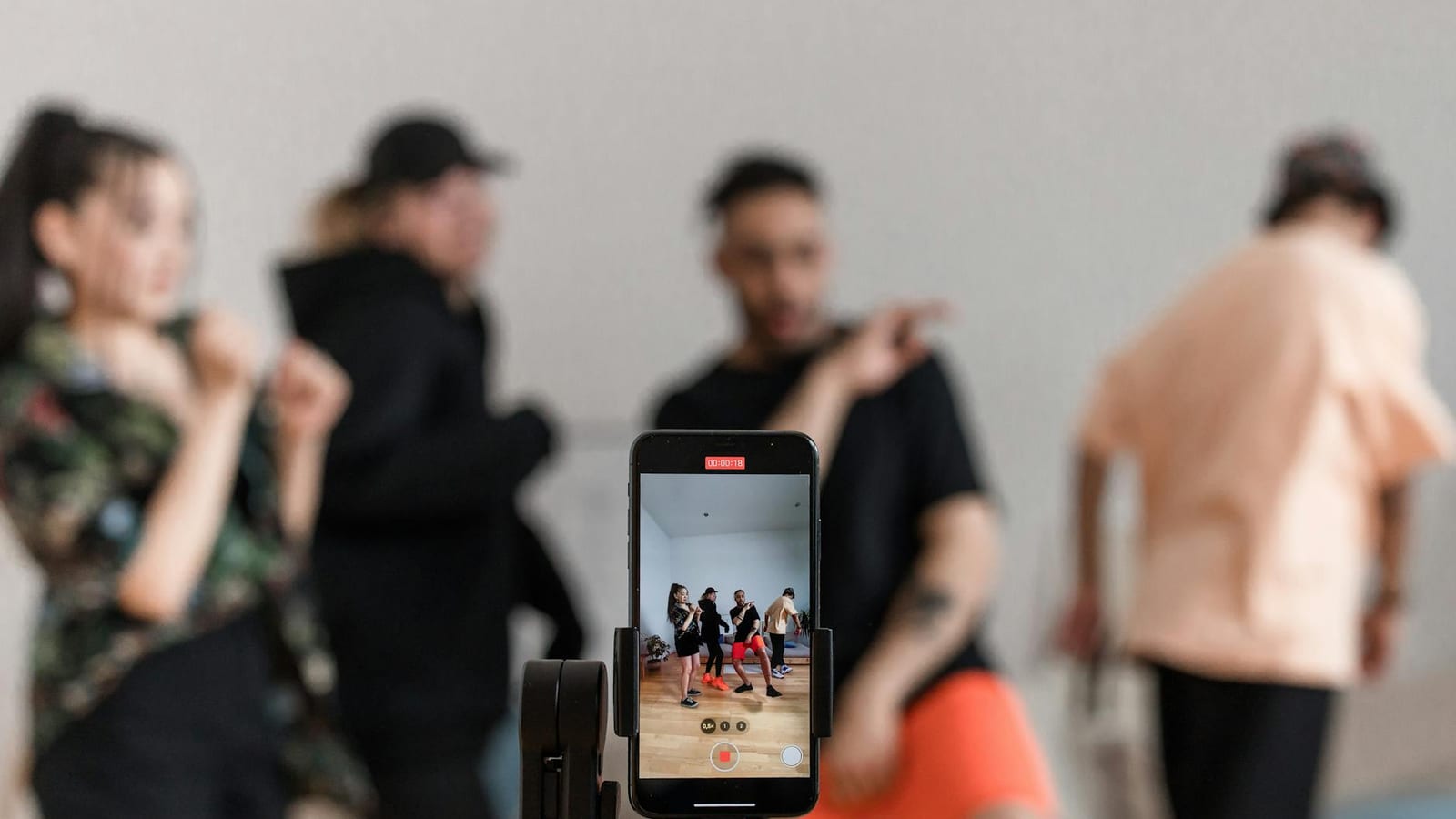
A smiling reel can hide a very tired person behind it.
That is the uncomfortable truth in the death of Rohini Paradhye, a 25-year-old social media creator from Solapur. She and her husband, Nilesh Paradhye, had become known for simple videos on rural life, food, and everyday social themes.
Their content had the easy charm that works online. A hotel business, a growing audience, and lakhs of followers on Instagram can look like success from the outside. But Rohini’s death has forced a harder question. What do we really know about people we watch daily on our phones?
A familiar face falls silent
Rohini’s videos were not built on glamour alone. They drew attention because they felt close to home.
She appeared in content around village life, local food culture, and social messages. That is a strong formula in today’s creator economy. Audiences want faces that feel real, not distant stars behind studio lights.
For many viewers, creators like Rohini sit somewhere between celebrity and neighbour. People may never meet them, but still feel they know them. That bond makes the news of her death feel personal for followers.
Available details say Rohini took the extreme step at her own hotel. The exact circumstances around her death remain limited in the public domain. That matters, because a tragedy should not become a guessing game.
The pressure behind creator fame
The creator business looks light from the outside. Shoot a video, post it, smile, repeat.
In reality, the cycle can grind people down. Creators must stay visible every day. They have to feed the algorithm, hold audience attention, and handle comments from strangers.
For small-town and regional creators, the pressure can be sharper. They are public figures in their own neighbourhoods. Their success is visible, but so is every rumour, setback, and personal struggle.
Rohini and Nilesh also ran a hotel business, based on the available account. That means the couple were not only making content. They were also managing the daily stress of customers, staff, costs, and cash flow.
Anyone who has run a small food business knows the truth. A full counter does not always mean easy money. Rent, supplies, wages, and family expectations keep coming.
Regional creators are now real businesses
India’s entertainment map has changed quietly over the last five years.
A creator from Solapur can now reach audiences across Maharashtra, and sometimes far beyond. A funny reel in Marathi can travel faster than a small film trailer did a decade ago.
That shift has created new stars outside Mumbai. It has also created a new kind of entertainment worker. These creators write, act, edit, market, and promote themselves.
There is no studio system around most of them. No manager filters abuse. No production house gives mental health support. No senior editor tells them when to step away.
This is where the industry often fails to catch up. Platforms reward constant posting, but they do not share the emotional cost equally. The applause goes public. The anxiety stays private.
For brands and local businesses, creators like Rohini are valuable. They bring trust that polished advertising often lacks. A known regional face can sell food, fashion, events, or local services with one post.
But trust comes with pressure. Once a creator becomes the face of a business, their personal mood and public image start mixing. That is a difficult line to walk.
Why this death has hit viewers
Rohini’s death has drawn attention because her public image carried warmth.
The available description of her work points to cheerful videos and relatable themes. That contrast is what shocks people. The person who made others laugh was herself struggling in ways viewers did not see.
This is not a reason to romanticise pain. It is a reason to stop treating online happiness as proof of a happy life.
For young Indians chasing creator careers, the lesson is sobering. Fame can arrive before stability. Followers can grow before savings do. Public attention can become heavy before a person learns how to carry it.
Families also need to read this moment carefully. Social media work is work. It brings money for some, but it also brings rejection, comparison, trolling, and relentless self-measurement.
A young woman building a public identity while running a business faces many demands at once. Without clear facts, nobody should claim to know what pushed Rohini to the edge. But the larger stress is not hard to understand.
India’s regional creator economy will keep growing. More young people will find audiences without leaving their towns. That is good for language, culture, and opportunity. But if the system only rewards visibility and ignores vulnerability, more families may learn the cost too late. For ordinary readers, the message is simple. Check on the people who always seem cheerful. Sometimes, the brightest screen hides the hardest silence.