Train delay, water woes expose Maharashtra service strain
From a Nagpur train without AC to water and housing complaints, Maharashtra residents are pressing agencies for basic services in peak summer.
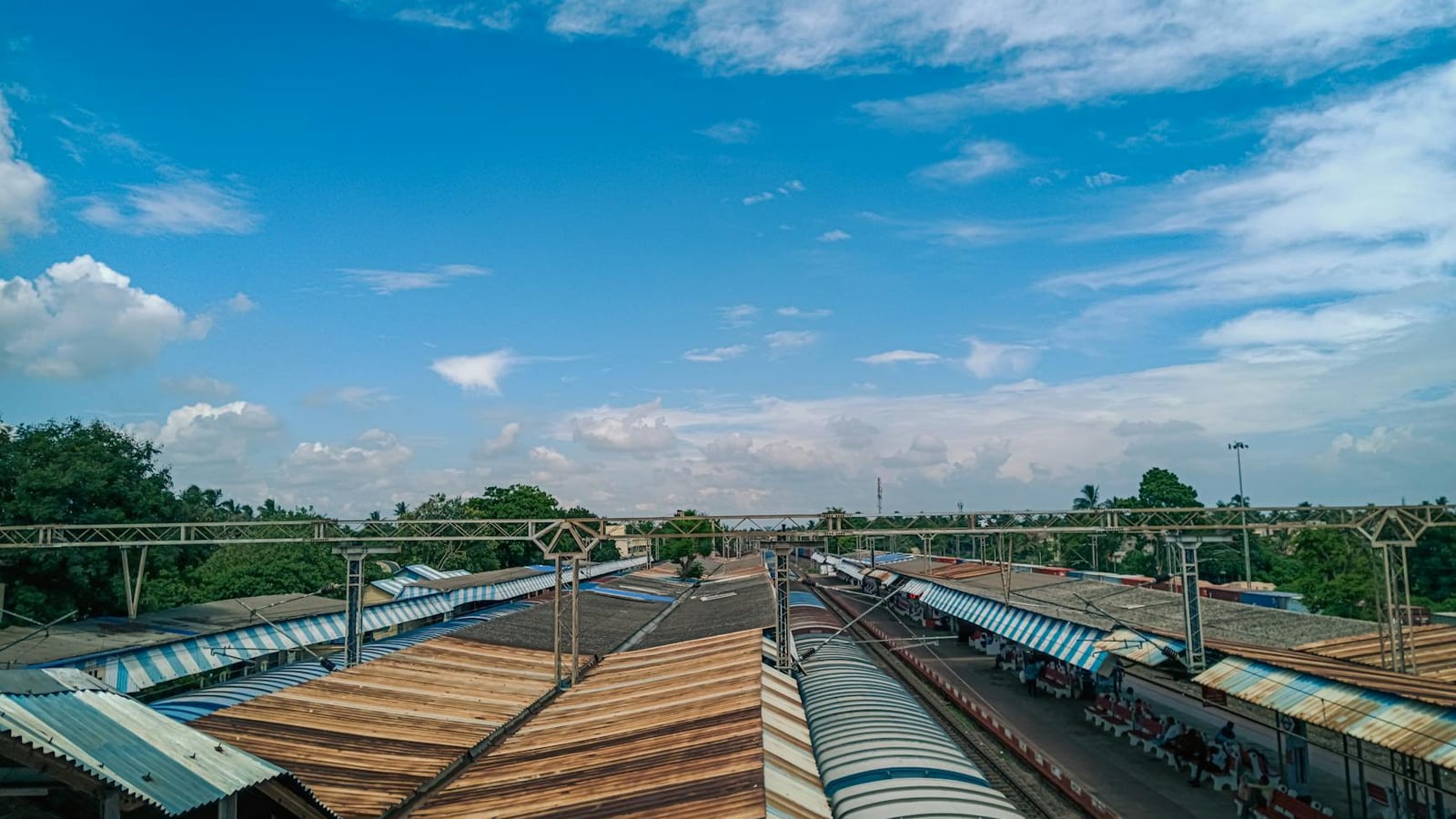
A train passenger pays extra for air-conditioning in May heat. Then the train runs 24 hours late, and the AC stops working.
That one scene from Nagpur says a lot about the week’s news from Maharashtra. The headlines look scattered at first: fuel prices, farmer anger, dirty water, housing paperwork, hostel rules, and a new government building.
Look closer, and they tell the same story. Ordinary people are paying more, waiting longer, and pushing harder for basic systems to work.
Heat, delays and public patience
Railway passengers in Nagpur had a rough Wednesday after a special train reportedly ran a full day late. The bigger blow came inside the coach, where the air-conditioning stopped working.
Anyone who has travelled through central India in peak summer knows what that means. An AC coach without AC is not a small inconvenience. It becomes a sealed metal box.
Passengers had paid a higher fare for comfort and basic relief from the heat. When that failed, anger spilled over. It was not just about one faulty machine. It was about trust.
This is the part public agencies often miss. People tolerate delays when they feel informed. They lose patience when they pay more and still feel abandoned.
The same pressure shows up in city transport. In Nagpur, auto drivers have demanded fares of Rs 22 per kilometre after repeated petrol and diesel price hikes.
For daily commuters, that quickly changes the monthly budget. A short ride to work, college, or a hospital visit becomes noticeably costlier.
Fuel costs push new choices
Fuel prices have a way of entering every home quietly. They affect auto fares, delivery charges, vegetable prices, school transport, and small business costs.
That is why the rising interest in electric vehicles matters. Many vehicle owners now see EVs less as a climate choice and more as a pocket choice.
The Union government has urged wider use of electric vehicles. State subsidies and lower running costs have made the switch more attractive for some buyers.
Still, the move is not simple. A two-wheeler buyer in a smaller city will ask practical questions first. Where is the charging point? What happens during a long ride? How much will the battery cost later?
Those questions decide the market, not glossy campaigns. EV adoption grows when charging becomes easy and resale confidence improves.
For auto drivers, delivery workers, and middle-class families, fuel is not an abstract policy issue. It is the difference between saving a little and slipping further behind.
Farmers warn of wider protests
Political heat is rising too. Shashikant Shinde, from the Sharad Pawar faction, warned the state government over farmer issues.
He said a larger statewide agitation could take shape if farmers face injustice. That warning comes at a sensitive time.
Maharashtra’s farm politics has always carried weight. Sugar belts, drought-hit regions, onion growers, cotton farmers, and cooperative networks all shape the state’s political mood.
When farmers protest, it rarely stays confined to village roads. It reaches markets, transport networks, party offices, and assembly debates.
The state government will know this history well. Farmer distress can turn from a local demand into a statewide political headache very quickly.
The challenge is not just compensation or procurement on paper. Farmers judge the state by whether payments arrive, crop losses get assessed fairly, and officials respond without endless rounds.
A farmer who spends days chasing documents cannot treat a government announcement as relief. Relief means money in the account, water in the field, and fewer trips to the office.
Housing brings relief and risk
There was some relief on the housing front. In Amravati, buyers were reminded that purchasing a home in a woman’s name can save money.
Maharashtra gives a one percentage point stamp duty concession for homes registered in women’s names. That can mean a sizeable saving for middle-class buyers.
The state has also removed a strict condition linked to selling such homes after 15 years. That makes the benefit more practical.
For families arranging a home loan, every rupee matters. Stamp duty is often the painful extra cost after the down payment.
A small concession can help families keep some money aside for interiors, school fees, or emergency savings.
But housing news also carried a darker side. In Nagpur’s Bidgaon area, 13 residents reportedly fell ill after contaminated water entered a drinking water tank.
The case came from a building under the Pradhan Mantri Awas Yojana. Residents alleged that sewage water had mixed with drinking water for several days.
That is the kind of failure that cuts deep. Affordable housing cannot stop at handing over keys. Water, drainage, maintenance, and accountability matter just as much.
For a family moving into a subsidised home, the promise is dignity. Dirty water inside that home breaks the promise.
Governance feels close to home
The state has approved Rs 66.43 crore for a third administrative building in Nagpur’s old secretariat area. Officials said it will help departments work in a more organised way.
Better offices can help if they reduce delays for citizens. But people will judge the building by outcomes, not concrete.
Will files move faster? Will welfare cases get cleared sooner? Will complaints receive replies without citizens making repeated visits?
That is the real test of any administrative upgrade. A new building means little if old habits continue inside it.
In Pune, Minister of State Madhuri Misal demanded action over complaints about public animal sacrifice and slaughter in some areas.
Such matters often test local administration sharply. Officials must balance law, public order, religious sensitivity, and civic hygiene.
In Nagpur, another case showed how rules can feel harsh when applied without judgement. A hostel student who had asked for a cooler later faced removal from the hostel, reportedly because she worked at a company.
The social welfare department has now stayed that removal order until further instructions.
That pause matters. Hostels support students who often do not have many options. A working student may be trying to survive, not break the system.
Across these stories, the common thread is not dramatic. It is basic governance.
People want trains that run, coaches that cool, water that does not make them sick, and offices that answer. They want fuel costs that do not swallow wages. They want rules that understand real life.
Maharashtra’s next big political signal may not come from one rally or one speech. It may come from these everyday pressure points, where citizens quietly decide whether the system still listens.