Bullion slides as US-Iran deal hopes cool haven demand
Gold and silver futures fell sharply on MCX and Comex as traders weighed US-Iran deal prospects, hitting investors, jewellers and buyers.
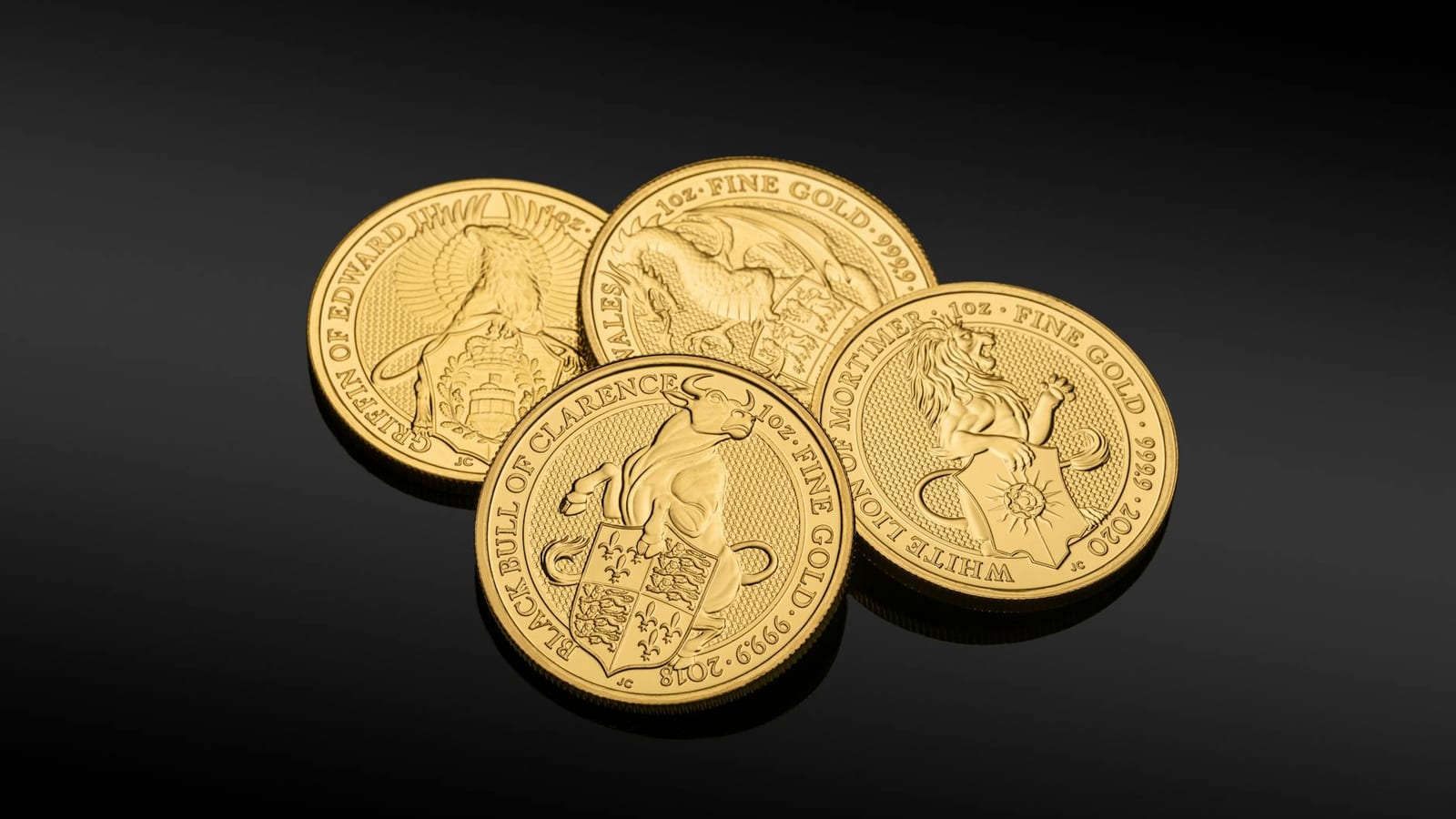
A ₹5 lakh gold position lost roughly ₹8,200 in one session on Wednesday. That is the kind of move that makes even seasoned traders pause.
Gold and silver cooled sharply on May 27, as traders weighed fresh US strikes on Iran against talk of a possible deal. The fall was not just a screen-level event. It touched jewellers, investors, and families waiting to buy before the next wedding season.
On MCX, near-month gold futures fell ₹2,542 per 10 grams to ₹1,55,074. Silver futures dropped ₹7,356 per kg to ₹2,63,272.
Gold slips from recent highs
The global trigger came from Comex, where gold fell $81 per troy ounce to $4,421. That marked its lowest level since late March.
Silver had a harder fall. It slipped nearly $3 per ounce to $73.72, after recently moving close to $90.
That tells us two things. Gold is weak, but silver is behaving like silver. It rises faster when traders get excited, and falls harder when fear cools.
Gold has now fallen for three straight sessions. It is down about 4 percent so far this month. Since the Middle East conflict began, it has lost more than 15 percent.
Silver has done worse over the same stretch. It has fallen nearly 20 percent across the last three months, including May.
For Indian buyers, the rupee price matters more than global tickers. MCX gold has fallen ₹6,904 per 10 grams over nine sessions, based on Wednesday’s low.
That is not small change. For someone buying 100 grams for a wedding, the bill is now nearly ₹69,000 lower than recent levels.
Iran deal hopes unsettle metals
The market is now trying to price two opposite forces at once. One is war risk. The other is peace talk.
Fresh American strikes on Iran made traders nervous about a longer conflict. Tehran called the latest attacks a sign of bad faith.
At the same time, US officials kept the door open for talks. Donald Trump said discussions with Iran were moving well.
US Secretary of State Marco Rubio said any agreement would take a few days to finalise. Traders latched on to that line quickly.
Gold often rises when fear rises. It is the old safe place for money when geopolitics gets messy.
But this time, the market is also watching what happens if a deal arrives. A ceasefire or agreement could push crude oil lower.
Lower crude prices would reduce pressure on inflation. That may give central banks more room to cut interest rates later.
Gold usually likes lower interest rates. But it also loses some shine when panic fades.
That is why prices look jumpy. Traders are not just asking whether the war expands. They are asking whether fear has already peaked.
Why oil still matters
The conflict has now stretched close to three months. Energy markets have felt the pressure throughout this period.
The effective closure of the Strait of Hormuz disrupted crude supplies. Several Middle Eastern producers also cut output.
For India, that matters more than many people realise. We import most of our crude oil.
When oil stays expensive, transport costs rise. That eventually reaches vegetables, packaged food, airline tickets, and factory inputs.
The chain is simple. Costlier crude raises fuel prices or squeezes company margins. Either way, consumers pay in some form.
This is why gold traders are watching oil traders. A peace deal could pull crude down, which may ease inflation fears.
But if the conflict drags on, crude can stay firm. That would keep central banks cautious about cutting rates.
For a young professional paying a home loan EMI, this link feels distant. It is not distant at all.
Higher inflation can delay rate cuts. Delayed rate cuts mean EMIs stay heavy for longer.
That is the real-world route from West Asian conflict to an Indian household budget.
Silver investors face sharper swings
Silver’s fall deserves special attention because retail investors often treat it like cheaper gold. That can be a costly mistake.
Gold mainly behaves like a store of value. Silver has a bigger industrial side, used in electronics, solar equipment, and other sectors.
That makes silver more sensitive to growth expectations. It can rally when industrial demand looks strong.
It can also collapse quickly when traders decide the earlier rally ran too far. Wednesday’s move showed exactly that.
On MCX, silver had earlier crossed ₹3 lakh per kg. It has now fallen ₹41,619 from that peak, based on the day’s low.
For someone who bought near the top, that is a painful drawdown. A 10 kg position would be down over ₹4 lakh.
This is where small investors must be careful. Precious metals are not fixed deposits with glitter.
They can protect wealth during stress, but they can also move violently. Silver, especially, can test patience and margin money.
Jewellers face a different problem. Falling prices can bring buyers back, but sudden swings make inventory risky.
A shop owner who bought stock at higher prices may hesitate to cut rates fully. Customers, meanwhile, check online prices before bargaining.
That gap creates tension at the counter. The screen says one thing, the store price says another.
What investors should watch now
The next move depends less on charts and more on headlines. That is always uncomfortable for disciplined investors.
If the US and Iran move closer to a deal, gold and silver could stay under pressure. Crude may ease too.
If talks break down, safe-haven buying could return quickly. Gold can recover faster than nervous traders expect.
Indian investors should watch three numbers closely. First, crude oil prices. Second, the rupee. Third, US interest-rate signals.
A weaker rupee can cushion the fall in Indian gold prices. Even if global gold drops, import costs may stay high.
That is why local gold rates do not always move exactly like Comex prices. Currency does part of the work.
For now, the message is clear. The easy rally in precious metals has paused, and silver has taken the bigger hit.
But this is not just a story about traders booking profit. It is a story about war, oil, inflation, and household decisions meeting in one price.
For ordinary readers, the sensible move is patience. Gold may still have a place in long-term savings, but panic buying rarely ends well. The next few days of diplomacy may decide whether this fall becomes a buying chance, or the start of a deeper correction.