Copper Slips as US-Iran Talks Cloud Metal Demand
Copper and aluminium prices fell as uncertain US-Iran talks hurt risk appetite, with Indian manufacturers watching input costs closely.
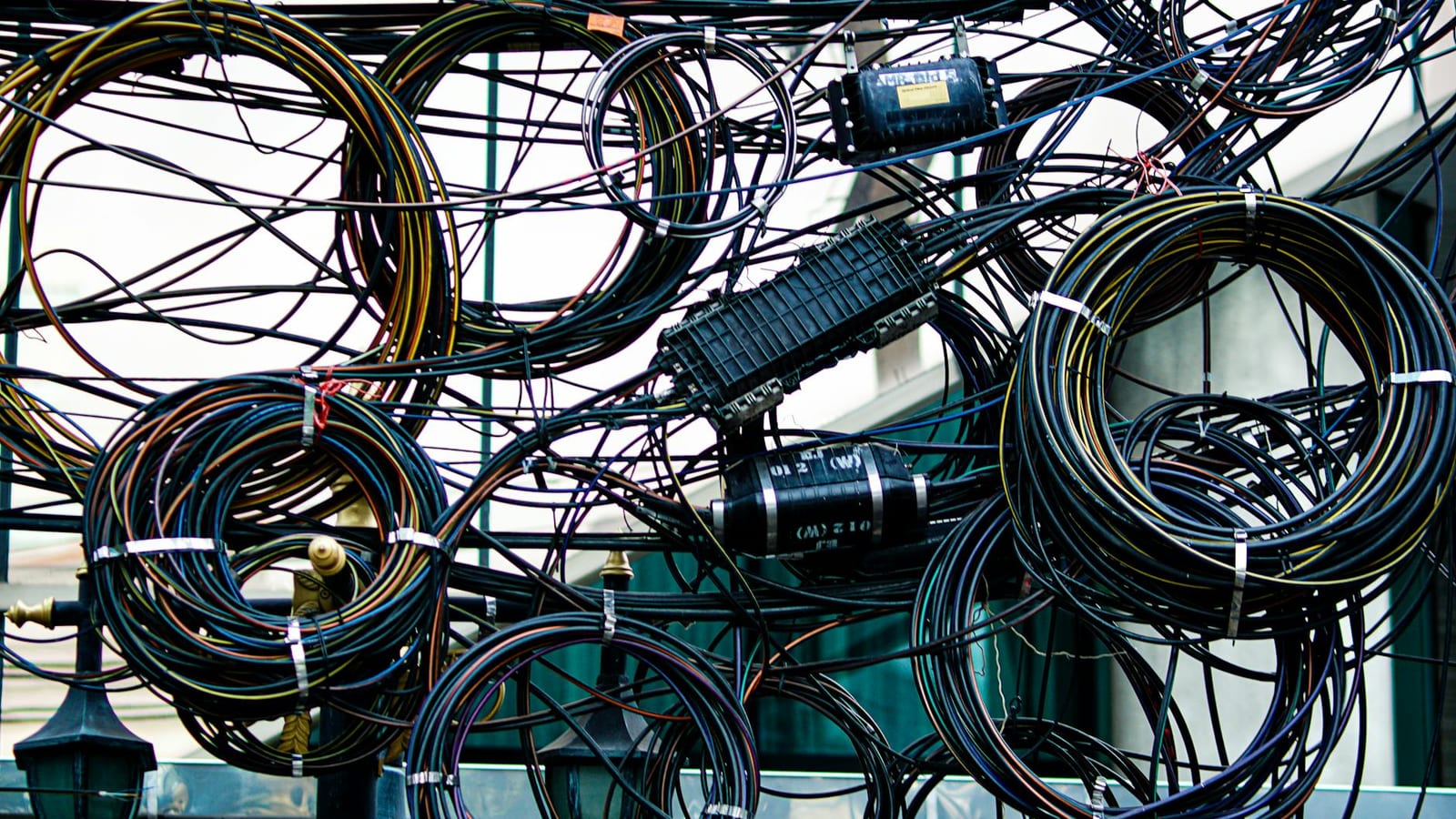
A fall in copper sounds distant, until it reaches a switchboard maker in Pune or an auto-parts supplier in Chennai.
Industrial metals slipped on Wednesday as traders struggled to read the latest signals from Washington and Tehran. Copper fell 0.7 percent on the London Metal Exchange to $13,531 a tonne. Aluminium dropped 1 percent, even after a sharp run-up in recent months.
The mood turned cautious after US President Donald Trump said he was not happy with talks involving Iran. That cooled hopes of a quick deal to end the conflict and reopen smoother trade through the Strait of Hormuz.
Copper tells the growth story
Copper is often called the metal with a PhD in economics. That sounds fancy, but the idea is simple. When factories build more, builders wire more homes, and power companies expand grids, copper demand rises.
When investors worry about growth, copper usually feels it first. That is what happened here. The metal has moved in a narrow band for two weeks as traders watched every hint from the peace talks.
For India, copper prices matter more than most households realise. The metal goes into electric wires, motors, transformers, vehicles, air conditioners, and solar equipment. A price move in London can slowly show up in project costs here.
A 0.7 percent fall may not shake a large company. But for smaller manufacturers, every move counts. Many buy raw material on thin margins and sell finished goods on delayed payments.
That is why metal prices are not just market trivia. They shape factory orders, working capital, and sometimes even hiring plans.
Hormuz keeps aluminium tight
Aluminium told a more complicated story. It slipped 1 percent with other base metals, but it remains the strongest major industrial metal since the Iran conflict began in late February.
The reason sits in geography. The Middle East produces close to one-tenth of the world’s aluminium. When traffic through Hormuz gets disrupted, buyers worry about metal supply reaching global markets on time.
The blockage has already pushed aluminium up more than 15 percent since the conflict began. Damage to two large smelters in the region added more pressure on supply.
That is a real concern for Indian businesses. Aluminium goes into cars, packaging, power cables, construction, consumer durables, and aircraft parts. If prices stay high, companies either absorb the pain or pass some of it on.
A beverage company may pay more for cans. A builder may pay more for fittings. A power equipment maker may face higher input bills. None of this arrives as one dramatic shock, but it quietly changes costs.
Wood Mackenzie principal analyst Charvi Trivedi estimates the Middle East could lose up to 3.5 million tonnes of aluminium output this year. She also expects global supply to shrink by nearly 3 percent.
That is not a small gap. China and Indonesia are increasing production, but Trivedi’s view is that they cannot fully cover the loss.
Tariff fears return to copper
The other twist is coming from the United States. Copper traders are again looking for metal around the world to send to America, because import tariff talk has returned.
Tariffs are taxes placed on goods entering a country. If traders think the US may raise copper import duties, they try to move metal there before rules change. That can pull supply away from other markets.
This is how a policy rumour in Washington can affect a buyer in Asia. Metal does not always flow where it is most needed. It flows where price, policy, and timing create the best trade.
The copper market is huge, with annual trade worth around $300 billion. Even a small change in US policy can disturb normal supply routes.
For India, the risk is not only price. It is also availability and timing. A cable maker may find copper available, but at a less comfortable price. A project contractor may need to rework margins.
Retail investors should read this carefully too. Metal stocks often move on a mix of global prices, currency moves, and domestic demand. A rise in aluminium may help some producers, but hurt companies that use it as raw material.
The same market move can create winners and losers. That is why looking only at the commodity price gives half the picture.
What Indian investors should watch
The first thing to watch is whether talks move toward a real ceasefire. A deal could ease worries over Hormuz and soften the fear premium in aluminium.
The second is US tariff policy on copper. If import duties become more likely, traders may keep moving metal toward America. That can disturb prices elsewhere.
The third is Chinese demand. China remains the biggest consumer of many base metals. If Chinese factories pick up, copper may get support even if peace talks improve.
The fourth is the rupee. India imports many industrial inputs. If the rupee weakens while metal prices rise, the landed cost becomes more painful for Indian companies.
This is where the Bombay Stock Exchange’s Sensex and the National Stock Exchange’s Nifty 50 give only a broad signal. A flat index can hide stress inside specific sectors.
A ₹5 lakh portfolio with exposure to metal producers may benefit from higher aluminium. The same portfolio with auto, consumer durables, or capital goods stocks may feel input-cost pressure.
Investors should avoid treating all metal-related shares as one basket. Producers, users, exporters, and import-heavy companies can react very differently.
The bigger lesson is simple. A ship route near Iran, a tariff rumour in the US, and a smelter problem in the Middle East can all reach an Indian balance sheet.
For ordinary readers, this story will not show up as “copper fell 0.7 percent” in daily life. It may show up later in wiring costs, appliance prices, factory margins, and stock returns. The next few weeks will decide whether this is just a market wobble, or the start of a tougher metal-price cycle for businesses and households.