Crude Drop Eases Import Fuel Cost Pressure for India
Lower crude prices on US-Iran truce hopes could soften India's import bill and ease pressure on fuel, airline and consumer costs over coming weeks.
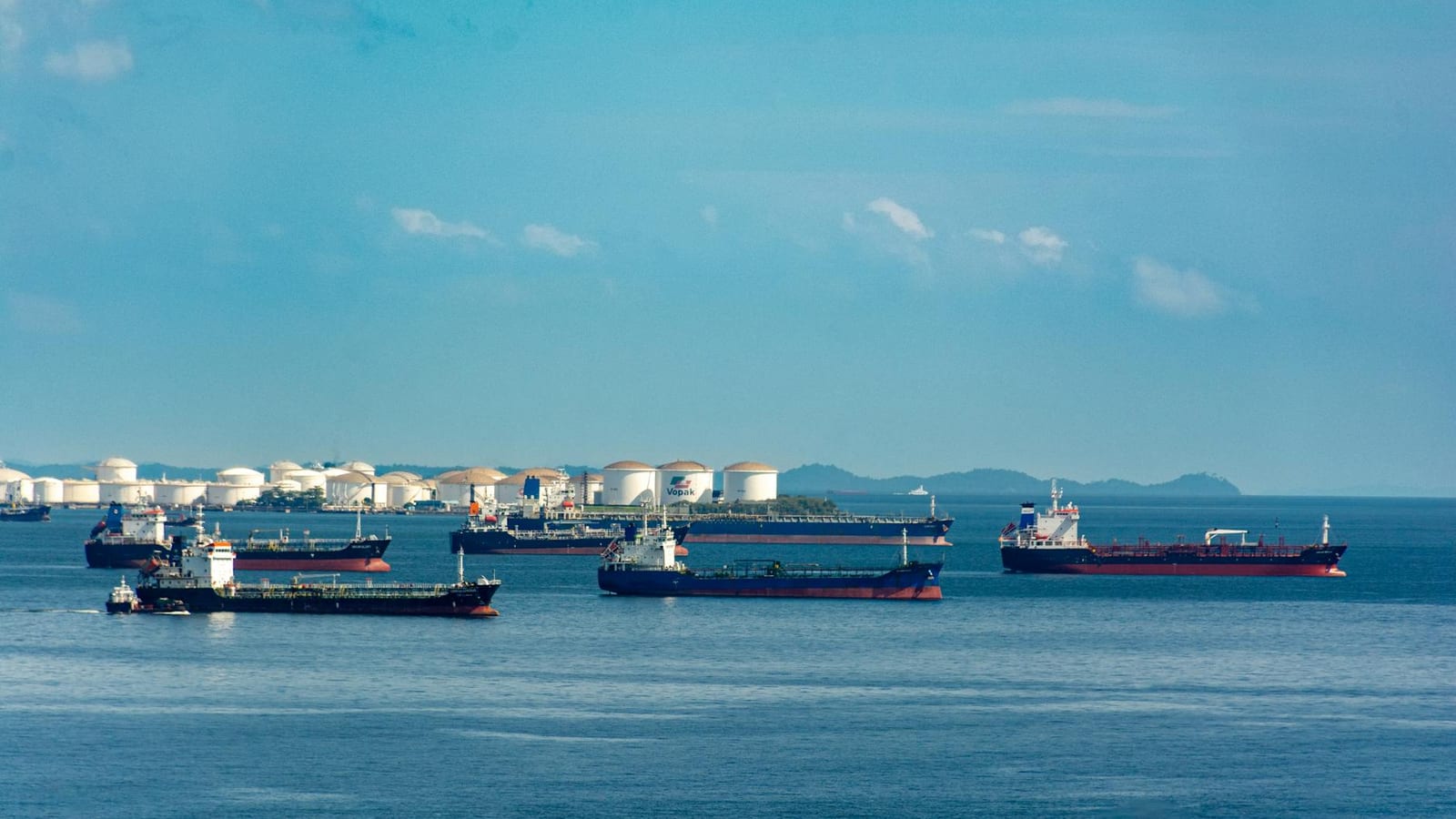
A ₹5 cut in petrol prices still feels distant, but oil markets just gave India one reason to breathe easier.
Crude oil slipped to a six-week low after traders started betting that the US and Iran may stretch their ceasefire. For India, which imports most of its oil, that is not just a market headline. It touches fuel bills, airline costs, paint prices, and eventually kitchen budgets.
West Texas Intermediate, the American oil marker, fell nearly 2 percent to about $87 a barrel. Brent crude, the global benchmark India watches closely, settled near $92.
Hormuz hopes cool crude prices
The immediate trigger is the Strait of Hormuz, the narrow sea route that carries a large share of global oil trade.
When trouble rises there, oil traders get nervous fast. Tankers slow down. Insurance costs rise. Importing nations start planning for shortages. India knows this drill well because West Asian crude still matters deeply to its refiners.
Donald Trump said he would make a final call on a tentative deal to extend the truce with Iran. The possible extension would run for 60 days, giving both sides time to discuss Tehran’s nuclear programme.
Iran’s Foreign Ministry, however, struck a more cautious note. Spokesman Esmail Baghaei said no final agreement had been reached yet, and messages were still moving between both sides.
That gap matters. Oil markets often price hope before diplomats sign anything. Sometimes that hope survives. Often, in West Asia, it gets tested within days.
Tankers still face real danger
The market’s calmer mood does not mean the sea has become calm.
Several vessels have faced attacks while moving through the region in recent days. Mike Wirth, chief executive of Chevron, said risks in the Persian Gulf remain very real for shipowners.
Wirth also said traders seemed to believe the conflict was closer to ending than beginning. That one sentence explains the current market mood. Prices are falling because traders see a path out, not because the problem has vanished.
Some tankers that were trapped inside the Persian Gulf have started moving out. Around one-quarter of large non-Iranian oil tankers stuck there when the conflict began have managed to exit.
That is useful, but it is not normal trade yet. Ships need safe routes, lower insurance costs, clear port schedules, and confidence that they will not be caught in another sudden escalation.
For an Indian refinery planner, that difference is huge. A vessel that may arrive in three weeks is not the same as a vessel that will arrive on time.
India gets relief, not certainty
India will welcome any fall in Brent crude. Every dollar drop helps the import bill, at least on paper.
But the benefit does not reach households instantly. Petrol and diesel prices in India depend on taxes, refinery margins, currency moves, and political calls. A cheaper barrel helps, but it does not automatically cut pump prices tomorrow morning.
The rupee also matters. If crude falls but the rupee weakens, India loses part of the gain. For airlines, transport firms, and chemical makers, even small swings can change monthly costs.
Think of a small logistics operator in Surat or Ludhiana. Diesel is not an abstract commodity for him. It decides whether freight rates rise, whether margins shrink, and whether customers complain.
For young professionals paying home loans, oil matters through inflation. Cheaper crude can cool transport and input costs. That gives the Reserve Bank of India more room to think about rates calmly.
But this relief is fragile. If Hormuz trouble returns, crude can climb quickly. India has seen this film before, and the second half is rarely gentle.
Deal still has hard conditions
The possible truce has many difficult pieces.
US Treasury Secretary Scott Bessent said Trump’s red lines include reopening Hormuz and Iran handing over highly enriched uranium. Those are not small asks. They go to the heart of power, security, and trust.
Iran also wants sanctions relief. That means easier access to global markets and banking channels. For Tehran, sanctions are not a footnote. They shape its economy every day.
Even if both sides agree to extend the ceasefire, oil flows will not return like switching on a fan. Mines in the waterway may need removal. Damaged energy sites need repairs. Some closed oil fields may take months to restart.
Then comes shipping time. Once crude leaves the region, vessels still need weeks to reach importing countries. So the market may price peace today, while physical supply improves much later.
Dennis Kissler of BOK Financial Securities said prices in the lower $80 range would need stable Hormuz traffic for some time. That is a polite way of saying one good week is not enough.
US stockpiles add pressure
There is another reason traders cannot relax fully.
US energy data showed tightening supplies while the crisis dragged on. Distillate stockpiles, which include diesel and heating fuel, fell to their lowest level in more than two decades.
Crude inventories at Cushing, Oklahoma, also dropped for a fifth straight week. They reached about 23 million barrels, close to the 20 million level seen as a bare operating floor.
That matters because oil prices do not move only on headlines. They move on barrels in tanks, ships at sea, and refineries that need feedstock.
The world has avoided the worst shock so far because other cushions helped. US exports stayed strong. Chinese imports slowed. Emergency reserves also helped calm the market.
But cushions are not permanent solutions. If conflict returns and stockpiles stay tight, prices can harden again.
For India, the smart reading is simple. The fall in crude is welcome, but it is not a festival discount. It is a pause in a tense market.
Ordinary readers should watch three things now: whether Hormuz traffic stays steady, whether Brent moves below $90 convincingly, and whether the rupee holds firm. If all three behave, India gets breathing space. If one breaks, the chai bill may not change, but the fuel bill surely will.