Crude oil slide may ease inflation pressure in India
Crude prices fell as traders bet on a longer US-Iran ceasefire, offering India some relief on inflation, the rupee and fiscal pressures.
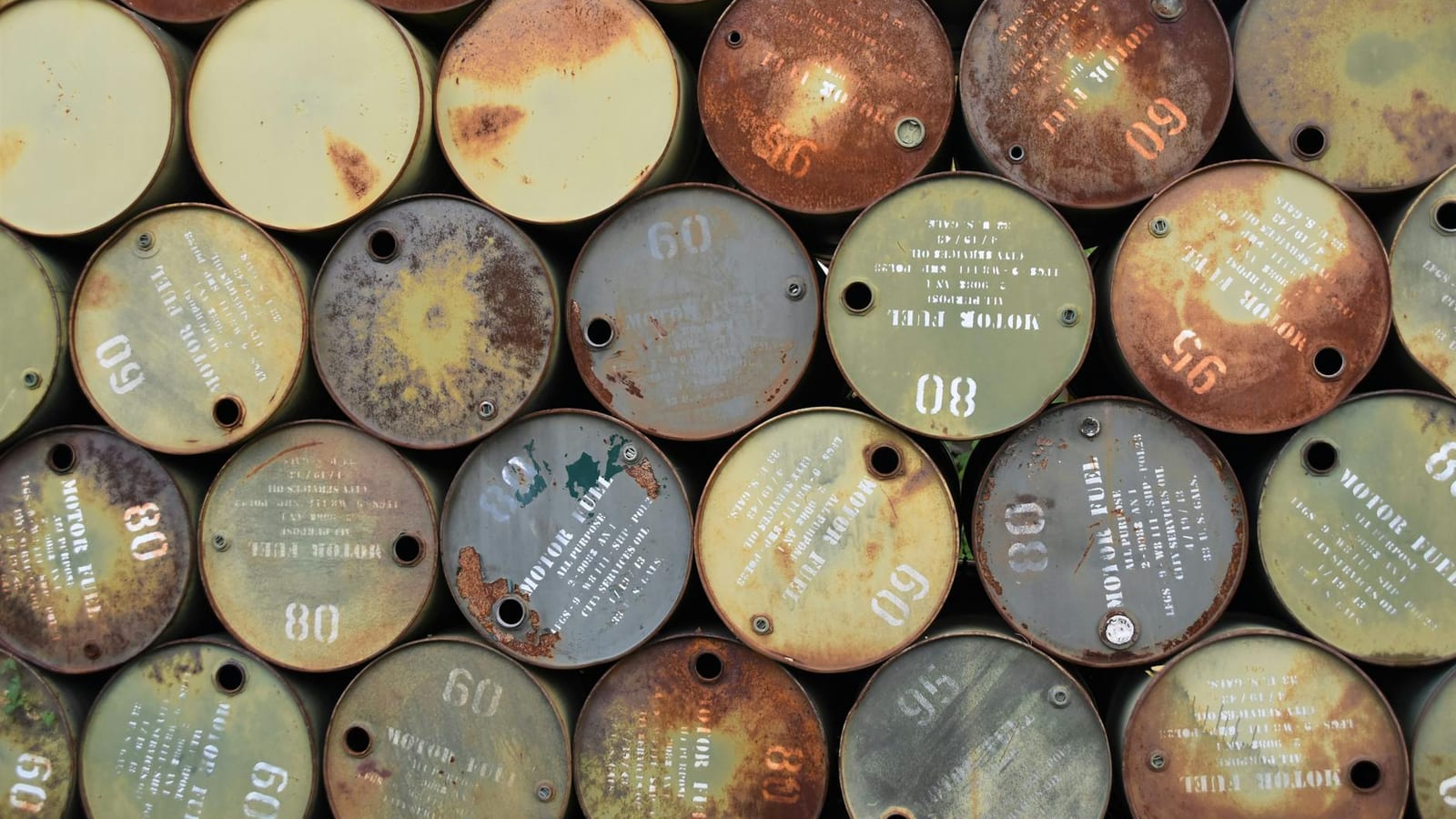
Oil prices can fall on peace, but your petrol bill rarely falls that fast.
That is the simple lesson from the latest slide in crude. West Texas Intermediate fell nearly 2 percent to about $87 a barrel. Brent crude, the global benchmark India watches closely, settled near $92.
Traders are betting that the US and Iran may extend their ceasefire. For India, that matters because cheaper crude can ease pressure on inflation, the rupee, and government finances.
Oil traders smell a truce
Donald Trump said he would make a final call on a preliminary deal. The proposed arrangement could extend the ceasefire by 60 days.
During that period, Washington and Tehran would discuss Iran’s nuclear programme. Iran’s Foreign Ministry, though, has not confirmed a final understanding.
Spokesman Esmail Baghaei said messages between both sides were still moving. That tells you the market is pricing hope, not certainty.
Oil has already weakened through May on talk of an agreement. But this conflict has fooled traders before. Progress gets announced, tempers cool, and then talks get stuck again.
That is why the fall in prices needs some caution. A two percent drop looks neat on a screen. It does not mean ships, refineries, and insurers have stopped worrying.
Hormuz remains the real pressure point
The biggest issue is the Strait of Hormuz. This narrow waterway carries a huge share of global oil trade.
When Hormuz gets blocked or threatened, oil buyers get nervous fast. India knows this story well because it imports most of its crude.
Several vessels have faced attacks in recent days. Chevron Chief Executive Mike Wirth said risks in the Persian Gulf remain very real.
He also said traders seem to believe the conflict is closer to ending than beginning. That market mood has kept oil from shooting higher.
Still, belief is not the same as supply. Ships need safe passage. Insurers need confidence. Refineries need steady cargoes.
Roughly a quarter of the large non-Iranian tankers stuck inside the Persian Gulf have managed to leave. That is encouraging, but it is not normal trade.
The waterway also faces practical hurdles. Mines may need clearing. Damaged energy assets need repairs. Some oilfields could take months to restart.
India gets relief, not certainty
For India, every dollar drop in crude helps. It can reduce the import bill and ease pressure on the rupee.
A softer rupee makes imported fuel costlier. That can feed into transport costs, grocery prices, and air fares.
So when crude falls from crisis highs, policymakers in New Delhi get breathing room. Oil marketing companies also get more space on pricing.
But Indian consumers should not expect an instant cut at the pump. Petrol and diesel prices depend on taxes, margins, and political timing.
A family filling a scooter in Indore or Kochi may not see relief tomorrow. The benefit first shows up in company balance sheets and inflation math.
If crude stays lower for weeks, then the impact becomes more real. Freight costs calm down. Aviation fuel pressure eases. Paints, chemicals, and tyre firms get help.
Stock market investors should watch those sectors closely. Lower crude often helps companies that use oil as a raw material.
It can also support the rupee. A steadier rupee helps foreign investors feel less nervous about Indian assets.
But the market will not treat one diplomatic headline as a full reset. Traders will want proof that Hormuz traffic has stabilised.
The market still sees tight supply
There is another reason prices have not crashed. US inventory data still shows tightness in important pockets.
Distillate stockpiles have fallen to their lowest level in more than 20 years. Distillates include diesel and heating fuel.
That matters because diesel powers trucks, factories, farms, and ships. When diesel stocks get tight, the real economy feels it.
Crude inventories at Cushing, Oklahoma, also fell for a fifth straight week. Cushing is a key US storage hub and pricing point.
Its stockpile dropped to about 23 million barrels. Traders often see 20 million barrels as a rough minimum operating level.
That means the oil market still has little cushion. A fresh attack, a failed truce, or a shipping delay can change prices quickly.
Dennis Kissler of BOK Financial Securities said the market needs to see stable traffic through Hormuz. Only then can prices justify a move toward the low $80s for WTI.
That is a useful warning for retail investors. Do not confuse a diplomatic pause with a supply glut.
What investors should watch now
The first signal is shipping movement through Hormuz. Tanker traffic will say more than political statements.
The second signal is Iran’s position on uranium and control of the waterway. US officials have called these red lines.
The third signal is sanctions relief. Iran will want economic space. Washington will want guarantees.
Each piece affects oil supply. If sanctions ease, Iranian crude may return more freely to global markets.
That would be bearish for prices. In simple terms, more oil usually means lower prices, unless demand jumps too.
But if talks fail, the market can reverse quickly. Brent above $100 would again hurt importers like India.
For Indian investors, the playbook is familiar. Airlines, paints, logistics, and oil marketing firms like lower crude. Upstream oil producers prefer higher prices.
Banks also care, though less directly. Lower inflation gives the Reserve Bank of India more room on interest rates.
For a young professional paying a home loan, that matters. A calmer oil market can reduce pressure on future EMIs.
For savers, it can shape fixed deposit returns over time. If inflation cools, rate cuts become easier to discuss.
Oil has slipped because traders see a possible doorway out of conflict. But the door is not fully open yet. India should welcome the relief, while remembering one old market truth: crude does not wait for certainty before moving, and household budgets often pay for that impatience.