Crude Rebounds As US-Iran Truce Talks Hit Hurdles
Brent crude moved back above $92 as uncertainty over a US-Iran truce and Strait of Hormuz operations renewed pressure on fuel-linked costs.
A few dollars on a barrel of oil can quietly enter an Indian kitchen.
It first shows up in airline fares, diesel costs, freight bills, paint prices, tyre margins, and eventually, household budgets. That is why crude’s latest bounce matters beyond trading screens.
Brent crude climbed back above $92 a barrel after touching a six-week low. US West Texas Intermediate traded near $89. The move came as hopes for a wider US-Iran agreement began to look less certain.
Oil rebounds as talks wobble
The market had relaxed a little last week. Traders believed Washington and Tehran might extend their ceasefire and reopen the Strait of Hormuz more fully.
That optimism pushed oil down for the first monthly fall this year. But the weekend changed the mood again.
The US and Iran exchanged fresh messages on changes to a draft deal. The problem is simple. Both sides still want concessions, and neither side looks ready to blink.
The draft is meant to extend the truce by 60 days. It is also meant to bring the strait closer to normal operations. That narrow waterway carries a huge share of global oil trade.
When it gets blocked, even partly, the whole market pays attention.
Hormuz risk keeps prices jumpy
Oil prices are still more than 25 percent higher since the war began at the end of February. That tells you the market has not priced in peace.
It has priced in fear, delay, and shipping risk.
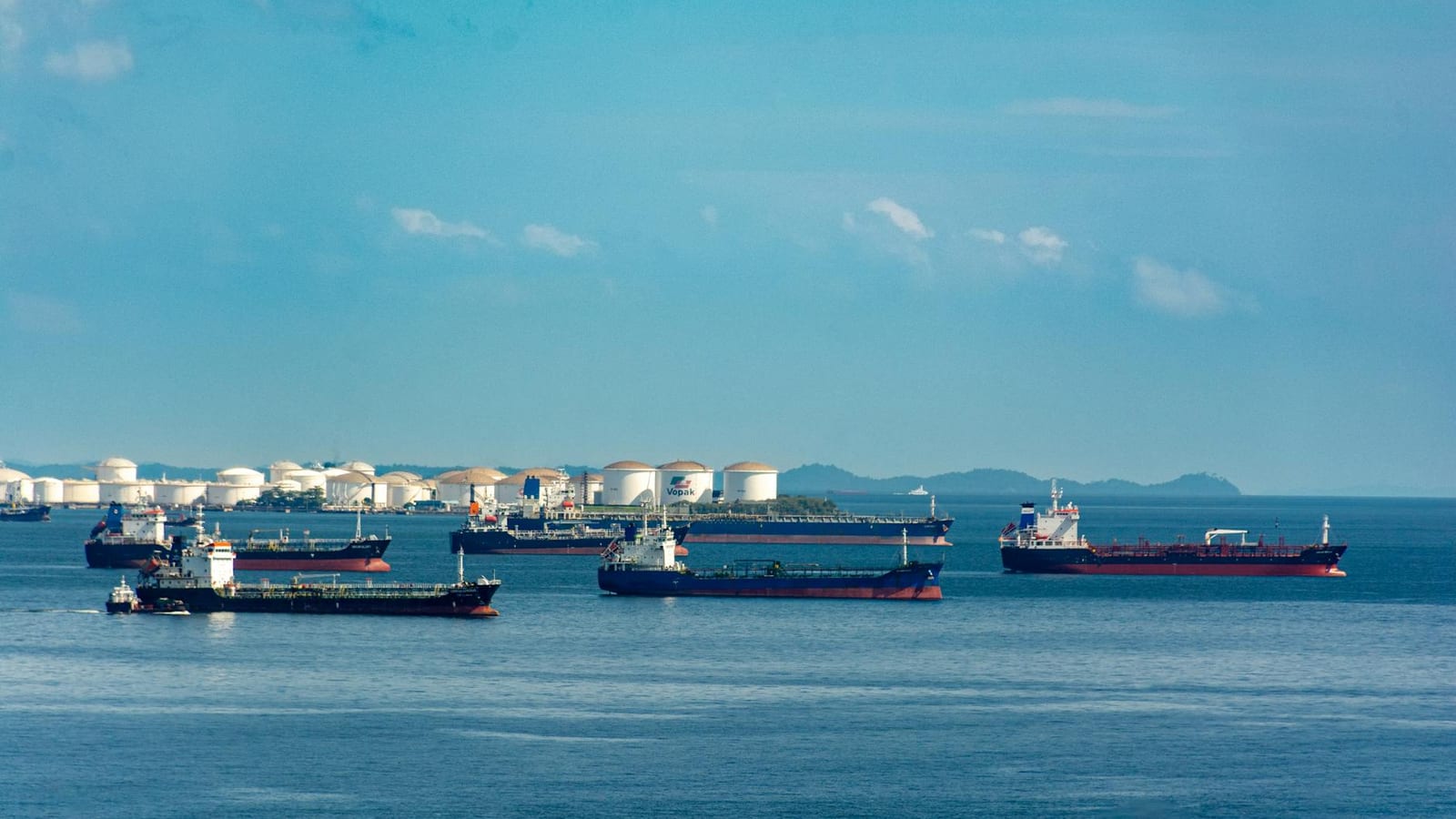
Roughly one-fourth of the large non-Iranian oil tankers trapped inside the Persian Gulf have reportedly managed to leave. But that exit has been slow and cautious.
Several vessels moving through the Strait of Hormuz have also faced attacks in recent days. For shipowners, this is not a theoretical risk on a map.
Chevron chief executive Mike Wirth said the danger remains very real for companies moving energy through the region.
That matters because oil is not only about supply. It is also about insurance, freight, timing, and confidence. If ships move slowly or avoid routes, costs rise even when barrels exist.
For India, this is the key point. We import most of our crude. When global oil rises, the pressure travels quickly into the economy.
Trump raises the pressure
Donald Trump said after a White House Situation Room meeting on Friday that he expected to announce an extended truce.
But he also repeated hard demands. He wants Iran to suspend its nuclear programme and restore the strait as a free international waterway.
Iranian-linked messaging over the weekend suggested both sides were still pushing amendments. It also raised the possibility that either side could reject the changes.
That is exactly the kind of uncertainty oil traders dislike. Markets can handle bad news better than fog.
The sticking points are not minor. They include Iran’s nuclear programme, sanctions, missile capabilities, and control around the strait.
These were difficult issues before the war. They have become tougher after months of conflict.
India feels crude in rupees
For Indian investors, expensive oil works like a quiet tax.
If crude stays high, oil marketing companies face pressure. Airlines worry about fuel bills. Paint, chemical, tyre, and logistics companies also feel the pinch.
A retail investor holding these stocks may not see the damage in one day. But margins can shrink over a few quarters.
There is also the rupee. Higher oil imports mean India needs more dollars. That can put pressure on the currency if the trade bill swells.
A weaker rupee then makes imports costlier. That includes crude, electronics, fertilisers, and some industrial inputs.
The Reserve Bank of India watches this closely because oil feeds inflation. Higher transport costs can lift food and grocery prices.
For a family, this does not arrive as “geopolitical risk”. It arrives as dearer travel, higher delivery charges, and slower relief from inflation.
For young professionals with home loans, the link is indirect but real. If inflation stays sticky, rate cuts become harder.
That means EMIs may remain heavy for longer than borrowers hoped.
Markets still depend on politics
The uncomfortable truth is that oil traders are now watching politicians as much as production data.
One comment from Washington can cool prices. One attack near Hormuz can push them up again.
Israel’s wider move into Lebanon has added another layer. Hezbollah, Iran’s powerful regional ally, has increased attacks on Israel’s north.
Israel is not part of the US-Iran talks. That makes the picture messier. Even if Washington and Tehran agree, the wider region may not calm down at once.
This is why the market has bounced from a six-week low, but has not exploded higher. Traders see hope, but they do not trust it fully.
For India, the sensible view is neither panic nor comfort. A deal could cool crude and give inflation some breathing room. A collapse could keep energy prices painfully high.
The next few days will matter because oil is now moving on every hint from the talks. For ordinary Indians, the story is simple. A distant strait, a stalled deal, and a few nervous tankers can still decide how expensive daily life feels next month.