Crude tumbles as Hormuz hopes ease India cost fears
Brent and US crude fell over 5% on hopes the Strait of Hormuz could reopen, easing inflation, rupee and cost worries for Indian companies.
Wall Street barely moved, but the oil market shouted.
On Wednesday, US stocks closed at fresh records, yet the real story sat in crude prices. Oil fell more than 5 percent after signs, however disputed, that the Strait of Hormuz could reopen fully within a month.
For India, that is not some faraway shipping lane drama. It is the route through which a lot of global oil anxiety travels, before landing in petrol pumps, airline fares, company costs, and household budgets.
Oil cools after Hormuz hopes
US crude fell 5.55 percent to $88.68 a barrel. Brent crude dropped 5.31 percent to $94.29 a barrel.
That fall matters because Brent is the global oil benchmark India watches closely. When Brent rises, India pays more for imported crude. That can pressure the rupee, push fuel costs higher, and squeeze margins for transport, paint, tyre, aviation, and chemical companies.
Iran’s state television said it had seen a draft framework between Washington and Tehran. It said the plan could bring shipping through the Strait of Hormuz back to pre-war levels within a month.
The White House denied that report. So markets did not celebrate loudly. They simply took some fear out of oil prices.
That is how markets often behave during geopolitical tension. Traders do not wait for a signed treaty. They move when the chance of the worst-case outcome looks slightly lower.
US stocks touch new records
The Dow Jones Industrial Average rose 182.60 points, or 0.36 percent, to 50,644.28. The S&P 500 gained just 1.24 points, or 0.02 percent, to 7,520.36.
The Nasdaq Composite added 18.55 points, or 0.07 percent, to 26,674.74. All three US indices still ended at record closing highs.
That sounds impressive, but the mood was not euphoric. Chip stocks pulled back and capped gains in the broader market. Investors looked pleased, but not reckless.
Tim Ghriskey of Ingalls & Snyder said geopolitics dominated the day, with competing claims arriving quickly. He also pointed out that US markets had already run up sharply since late March.
That last bit is important for Indian retail investors too. Record highs can tempt people to chase momentum. But when markets have already climbed hard, each new headline carries more power.
A ₹5 lakh overseas equity portfolio linked to US indices may not move much on a 0.02 percent S&P 500 rise. That is only about ₹100 before currency moves and fund costs. But oil’s 5 percent drop can affect a much wider chain.
Fed worries have not vanished
The oil fall helped US Treasury yields ease. The 10-year US bond yield slipped to 4.477 percent from 4.491 percent.
Bond yields are simply the return investors demand for lending money. When yields fall, it often means markets expect less pressure from inflation or interest rates.
But the inflation story has not gone away. Markets now price a 38.1 percent chance that the U.S. Federal Reserve will raise rates in December, based on CME’s FedWatch tool.
A month earlier, that probability stood at zero. That is a sharp shift in market thinking.
The reason is simple. War can make energy expensive. Expensive energy can make transport, food, and manufactured goods costlier. If inflation stays hot, the Fed may keep money tight, or even raise rates again.
Investors will now watch the next set of US data closely. The Commerce Department’s updated first-quarter GDP reading and the Personal Consumption Expenditures inflation report are due next.
Analysts expect headline inflation at 3.8 percent and core inflation at 3.3 percent. Core inflation excludes food and energy, because those prices jump around more.
Both numbers sit well above the Fed’s 2 percent target. That is why one day of cheaper oil does not settle the debate.
Why India should watch closely
For India, cheaper oil is usually good news. It can soften the import bill and ease pressure on the rupee.
A softer oil price also gives policymakers more breathing room. It can reduce the risk that fuel and transport costs spill into food prices and everyday services.
For a commuter, the effect may not show up at the petrol pump overnight. Fuel prices in India move through taxes, company decisions, and political timing. But companies feel crude moves faster than households do.
Airlines watch jet fuel. Paint and chemical makers watch crude-linked inputs. Logistics firms watch diesel costs. If oil stays lower, those businesses get relief.
That can support Indian equities, especially sectors where fuel or raw material costs are a large expense. It can also help the Reserve Bank of India if inflation pressures cool.
But the key phrase is “if oil stays lower.” One denied report and one fragile truce cannot rebuild confidence by themselves.
The US and Iran have accused each other of actions that could complicate peace efforts. Washington said its recent strikes were defensive. Iran said the US had violated the ceasefire.
For now, the truce still holds. Markets are trading that possibility, not a final settlement.
Gold, dollar and yen send signals
Gold fell to a two-month low. Spot gold declined 1.19 percent to $4,452.38 an ounce.
That may look odd during geopolitical tension. Usually, gold gains when investors seek safety.
But gold also suffers when investors expect higher interest rates. Gold pays no interest. So when bond yields or rate expectations rise, some investors prefer interest-bearing assets.
The dollar index rose 0.1 percent to 99.20. The euro was nearly flat at $1.1629.
The Japanese yen weakened to 159.52 against the dollar. That put it near levels that recently triggered official Japanese intervention.
Currency moves matter for India because a strong dollar can pressure emerging market currencies. It can make imported goods costlier and affect foreign fund flows.
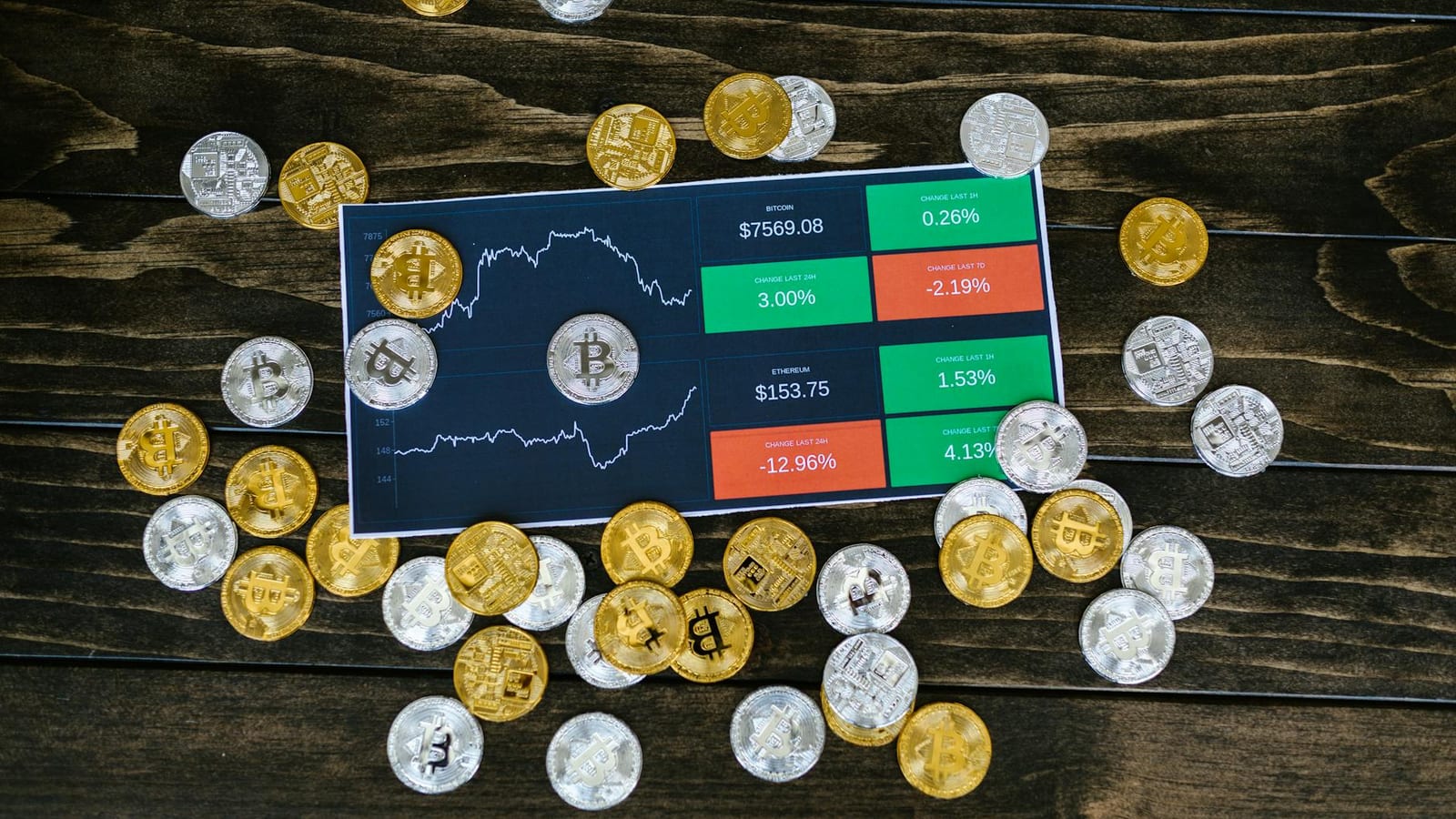
Bitcoin fell 1.31 percent to $75,025. Ethereum slipped 0.97 percent to $2,055.62. Even crypto did not show much appetite for risk.
The message from markets was mixed, but not confusing. Stocks are hopeful. Oil is relieved. Gold is nervous about rates. Bonds are waiting for inflation data.
For ordinary Indian readers, the takeaway is straightforward. A cooler oil price can help, but the relief is still fragile. If Hormuz opens smoothly and inflation cools, households and investors may get breathing space. If talks break down, the same oil chart can turn nasty very quickly.