Dalal Street lags as AI rally lifts global markets
Indian blue chips remain under pressure as AI-led global markets climb, with weak earnings, FII selling, crude costs and West Asia risks weighing.
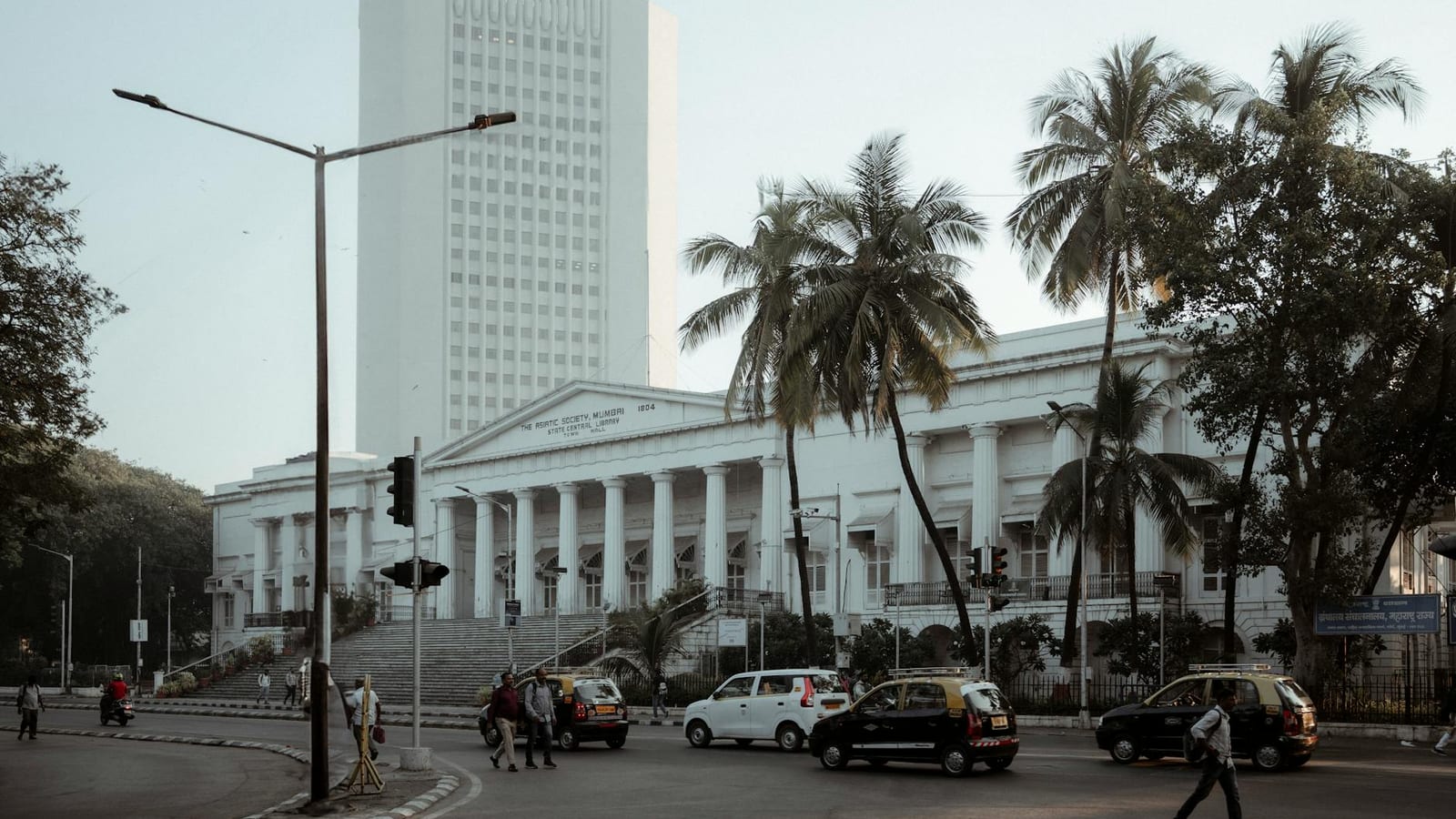
A ₹5 lakh portfolio tracking Indian blue chips has roughly lost ₹45,000 to ₹55,000 this year. At the same time, global tech investors are cheering record highs.
That gap tells the story of 2026 so far. Money is chasing artificial intelligence abroad, while Dalal Street is still wrestling with weak earnings, foreign investor selling, costly crude, and West Asia risk.
The contrast looks sharp because the global mood is not exactly gloomy. It is selective. Investors are paying up for companies that look central to the AI boom, and India has fewer such listed plays.
AI money is chasing global tech
The AI rally has pulled major markets higher. The US Nasdaq has gained about 15 percent in five months, led by chip stocks such as Nvidia.
In Asia, the excitement looks even stronger. South Korea’s KOSPI closed above 8,200 on Wednesday, after gaining over 90 percent so far in 2026. Samsung Electronics and SK hynix have powered much of that move.
Japan’s Nikkei has climbed around 25 percent this year. That is not a small move for a mature market.
Investors are betting that the huge spending on AI chips, servers, and data centres will turn into real profits. Recent corporate earnings have helped that belief.
Dalal Street lacks the same trigger
India has strong software firms, digital businesses, and telecom networks. But the listed market has fewer direct AI hardware winners.
That matters because global money follows clear earnings stories. Right now, semiconductors and AI infrastructure offer that story abroad.
The National Stock Exchange’s Nifty 50 is down nearly 9 percent this year. The Bombay Stock Exchange’s Sensex has fallen about 11 percent.
For a retail investor, this is not an abstract chart. A ₹5 lakh Nifty-style portfolio would be down around ₹45,000. A Sensex-linked portfolio would be down around ₹55,000.
Dr VK Vijayakumar of Geojit Investments said global bull markets still have momentum. He pointed to record highs in the S&P 500, Nasdaq, and Nikkei.
He also warned that India may stay under pressure while foreign institutional investors keep selling. That is the part small investors feel most.
When overseas funds sell heavily, large stocks struggle. Index funds, retirement money, and first-time investors all feel the drag.
Earnings are better, but demand is weak
India’s March quarter results have not been disastrous. Vijayakumar said earnings have largely beaten expectations, especially among midcap companies.
But the fine print matters. Profits have grown faster than sales. That means companies have protected margins, but demand has not picked up strongly.
Think of a shopkeeper earning more because costs were managed better, not because more customers walked in. That is useful, but it is not the same as a boom.
This is why the market is not rushing back. Investors want proof that households are spending more, companies are expanding, and revenue growth is broad.
Financial stocks still look reasonably placed, Vijayakumar said. Banks and lenders benefit when credit demand stays steady and bad loans remain controlled.
Pharma also has support. Medicines are not like luxury goods. People do not stop buying essential drugs just because sentiment turns cautious.
Export demand also helps Indian drug makers. A weaker rupee can even improve their overseas earnings, if costs remain manageable.
Crude oil is the Indian worry
The biggest macro worry is crude oil. India imports most of the oil it uses, so every price spike travels through the economy.
Hariprasad K, founder of Livelong Wealth, said West Asia tensions are affecting investor risk appetite. He pointed to fresh US military strikes in southern Iran.
That matters because traders immediately think about energy supply. If oil routes look risky, crude prices can rise quickly.
For India, higher crude has three direct effects. Fuel becomes costlier, inflation worries rise, and the rupee comes under pressure.
A weak rupee also makes imports expensive. That includes crude oil, electronics, machinery, and some raw materials.
This can quietly show up in daily life. Airfares may stay firm. Transport costs can rise. Paints, tyres, packaging, and consumer goods may face cost pressure.
Companies do not always pass these costs on at once. But if pressure lasts, consumers eventually pay part of the bill.
Fuel-sensitive sectors face heat
Automobiles, paints, aviation, logistics, and consumer-facing companies may stay under watch. These businesses depend heavily on fuel or oil-linked inputs.
For an airline, expensive fuel hits the largest cost line. For a paint company, crude-linked chemicals matter. For logistics firms, diesel prices affect margins.
Car and scooter makers face a different problem. If fuel prices rise, buyers may delay purchases or shift choices.
That is why investors are cautious. They are not only reacting to headlines from West Asia. They are trying to calculate future profit damage.
The rupee is another pressure point. Hariprasad said the currency remains vulnerable near historically weak levels against the dollar.
A weaker rupee helps some exporters, but it hurts import-heavy sectors. For households, it can make foreign education, travel, and imported goods costlier.
For the government, costly crude can complicate fiscal maths. If fuel taxes or subsidies need adjustment, the budget feels the strain.
The market is not saying India has lost its long-term story. It is saying the next few months need patience. AI excitement may keep lifting global tech, but Dalal Street needs stronger earnings, steadier crude, and returning foreign flows.
For ordinary investors, the lesson is simple. Do not confuse global market highs with safety everywhere. India still has good businesses, but 2026 is asking a sharper question: who can grow profits when money is expensive, oil is nervous, and foreign investors have shinier toys elsewhere?