Foreign Investor Exits Deepen Pressure on Indian Rupee
Jefferies says the rupee's latest weakness is driven less by trade gaps and more by foreign portfolio outflows, with costs reaching households.
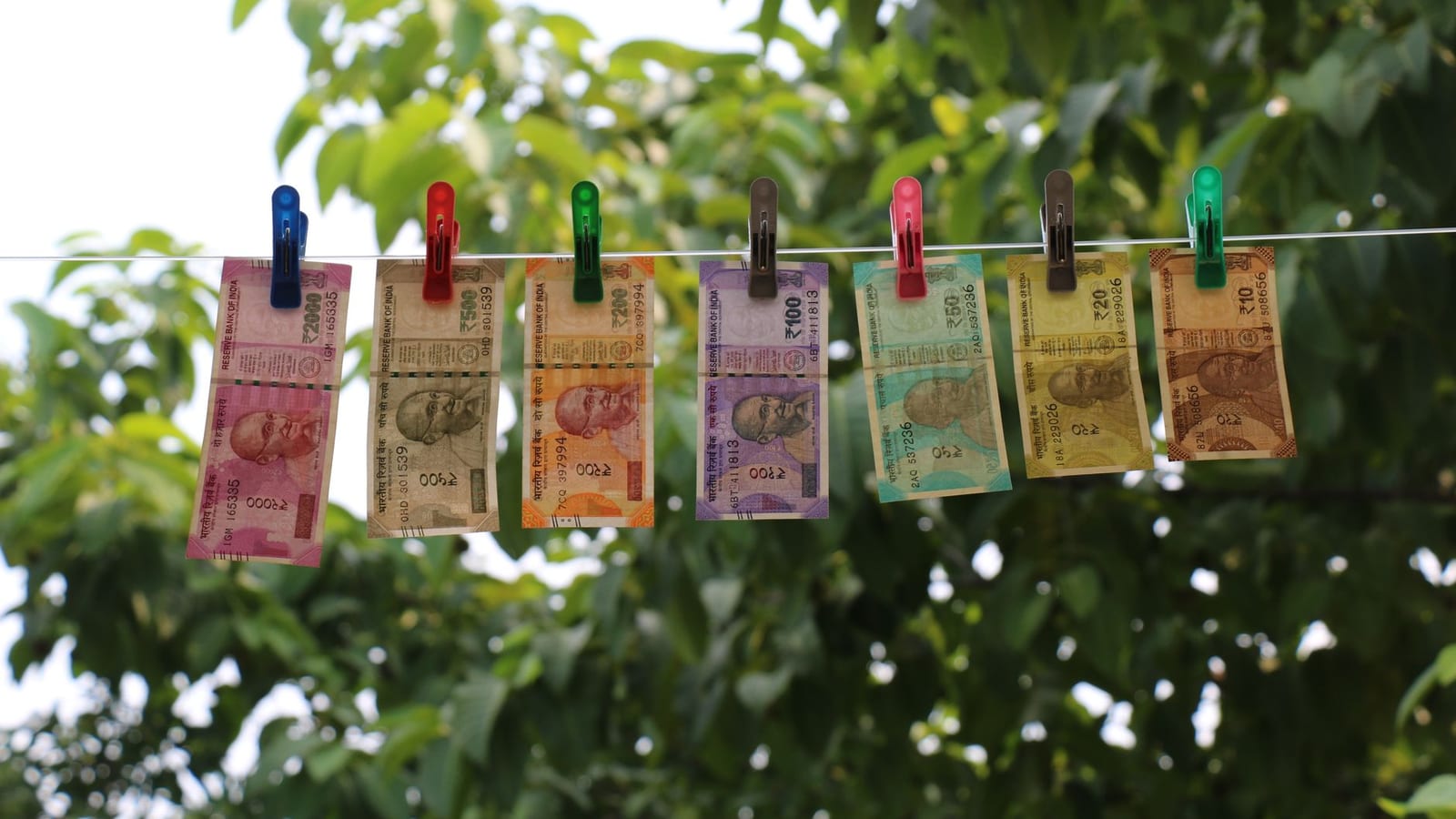
A falling rupee does not hurt everyone on the same morning. But it reaches almost every wallet.
It makes imported fuel costlier. It raises foreign education bills. It pinches families planning overseas travel. It also quietly changes the mood in stock markets, where foreign investors and Indian savers are now pulling in opposite directions.
The latest assessment from Jefferies is blunt. The rupee is not weakening mainly because India is buying too much from abroad. It is weakening because foreign money has been leaving Indian markets.
Foreign exits are hurting rupee
For years, we explained rupee pressure through one familiar lens. India imports more than it exports, especially crude oil and gold. So, the country needs more dollars than it earns.
That still matters. But Jefferies argues that the current pressure comes from another place. Foreign investors have pulled out capital, booked profits, and reduced exposure to India.
That is important because the rupee does not move only on trade. It also moves on capital flows. In simple terms, when foreign investors bring dollars into India, they sell dollars and buy rupees. That supports the currency.
When they exit, the reverse happens. They sell Indian assets, buy dollars, and take money out. That creates demand for dollars and weakens the rupee.
Jefferies estimates that about $78 billion has left over the past two years. That is not a small leak. It is a steady drain.
India’s balance of payments has also stayed negative for two straight years. Balance of payments is the country’s full money statement with the world. It includes trade, services, investments, remittances, and capital flows.
When that number stays negative, it means more money leaves than comes in. The rupee then has to absorb the pressure.
SIP money cushions the market
Here is the twist. Indian households have become the shock absorber.
The rise of SIP investing has changed the market’s plumbing. A systematic investment plan lets people put a fixed sum into mutual funds every month. It could be Rs 1,000, Rs 5,000, or much more.
That steady monthly money has made domestic investors powerful. In March 2026, equity mutual funds saw net inflows of Rs 38,503 crore. In April, the figure was Rs 38,410 crore.
Those are serious numbers. They show that Indian savers kept buying even as foreign investors sold.
For a middle-class investor, this feels positive. The market does not collapse every time foreign funds leave. Domestic money offers support.
But Jefferies points to a less comfortable side. This local buying also gives foreign investors enough liquidity to exit smoothly. Liquidity simply means there are enough buyers and sellers for trades to happen without panic.
Think of it like a crowded railway platform. If people keep entering through one gate, others can leave through another without creating a stampede.
That is what SIP flows are doing in equities. They are not just supporting Indian markets. They are also making exits easier for foreign funds.
Money from EPFO and the National Pension System has also helped. These are long-term retirement pools. They bring patient domestic money into financial markets.
Tax benefits on some equity-linked savings have added another push. Over time, this has made Indian markets less dependent on foreign investors.
That is healthy in one sense. But it also means retail investors must understand what they are buying into. Regular investing works best over years, not weeks.
Weak rupee has mixed effects
A weaker rupee sounds good for exporters. If an Indian company earns dollars, each dollar converts into more rupees. Software firms, pharma exporters, and textile exporters can gain.
But Jefferies says the rupee’s fall has not meaningfully lifted exports. That should make policymakers uncomfortable.
Currency weakness helps only when global demand is strong. If customers abroad are not buying enough, a cheaper rupee cannot fix everything.
For households, the impact is more direct. Imported fuel can become costlier. India buys most of its crude oil from abroad, and crude is priced in dollars.
If the rupee falls, the same barrel costs more in rupee terms. That can affect petrol, diesel, transport, and eventually grocery bills.
Students planning foreign education also feel the blow. A fee of $40,000 becomes more expensive when the rupee weakens. Families then need more savings or bigger loans.
Travellers feel it at hotel counters, forex desks, and card statements. A weak rupee makes every dollar purchase heavier.
Investors face a different question. Should they panic when the rupee falls? Not necessarily.
A falling currency can hurt sentiment. But it can also create entry points if earnings remain strong. The problem is timing. Retail investors usually enter late and exit early.
That is why SIP discipline matters. But discipline should not mean blindness. Investors must check asset allocation, valuations, and risk.
RBI is choosing inflation first
The RBI faces a familiar headache. It can defend the rupee by raising interest rates or selling dollars from reserves. But both choices have limits.
Higher rates can attract foreign money and support the rupee. But they also make loans costlier. Home loan EMIs rise. Business borrowing becomes expensive. Consumption slows.
That is why the central bank appears more focused on inflation than on defending a particular rupee level. In plain English, it wants prices under control before anything else.
This is sensible, but not painless. A weak rupee can itself feed inflation through imported goods. The RBI must balance both pressures.
Jefferies expects crude oil to average around $90 a barrel in the coming year. That level keeps India watchful. Oil is not just a market number for India. It affects transport, fertilisers, aviation, and government finances.
The assessment also expects gold imports to fall by 10 percent. That could help. Gold imports consume dollars, and lower imports reduce pressure on the external account.
But India’s love for gold rarely disappears. It only pauses when prices look too high or household budgets tighten.
There is also history to consider. Jefferies notes that after periods when the rupee fell more than 10 percent in 12 months, foreign inflows often recovered in the next 12 months.
This time, that rebound has not clearly arrived. That matters because markets often trust old patterns too much. When the pattern breaks, investors need to ask why.
Maybe foreign investors see better returns elsewhere. Maybe India’s valuations look stretched. Maybe global interest rates, oil prices, and geopolitics have changed the calculation.
Whatever the reason, the rupee is telling us something useful. India’s domestic savings machine has become stronger. But foreign capital still matters, especially for the currency.
For ordinary readers, the message is simple. Do not treat the rupee as a distant market ticker. It sits inside fuel bills, school fees abroad, gold prices, imported gadgets, and mutual fund returns. The next phase will depend on whether foreign money returns, oil stays calm, and Indian savers keep their nerve.