Fuel Price Hikes Add ₹5 A Litre In May As Crude Rises
Petrol and diesel prices have risen about ₹5 a litre in May, lifting household fuel bills and transport costs as West Asia tensions push crude higher.
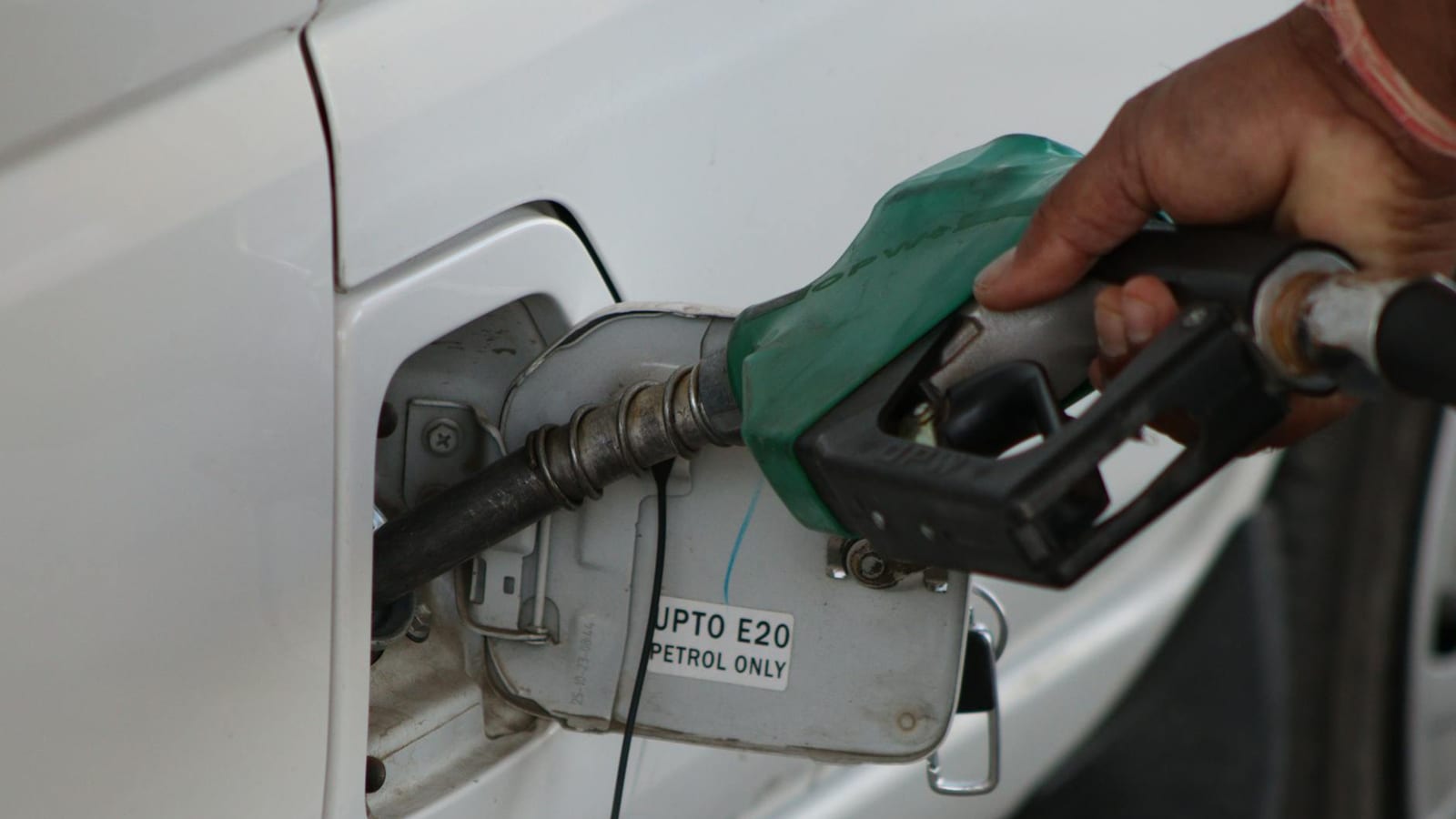
A full tank has quietly become ₹200 costlier in May, and the meter may not stop there.
Petrol, diesel and CNG prices have already moved up three times this month. The latest increase came on May 23, when petrol rose by 87 paise a litre and diesel by 91 paise.
For a family with a small car, this is not an abstract oil market story. For a transporter, a delivery rider, or a shopkeeper waiting for goods, it lands straight on daily costs.
Fuel prices climb in steps
The price rise began on May 15, when fuel became costlier by ₹3 a litre. Another increase of around 90 paise followed on May 19. The third round came on May 23.
Together, the petrol and diesel price hike has added about ₹5 a litre in May. A 40-litre fuel tank now costs roughly ₹200 more than it did before these increases.
That may look small in one bill. But fuel has a habit of spreading through the economy. Diesel moves trucks, buses, farm equipment and generators.
When diesel rises, vegetables, milk, construction material and factory goods become costlier to move. The consumer may not see diesel on the bill, but still pays for it.
West Asia pushes crude higher
The main pressure is coming from West Asia, where fresh tensions have unsettled oil markets. The conflict involving Israel, the United States and Iran has made traders nervous.
Oil markets hate uncertainty more than bad news. A clear supply shock can be priced. A possible wider conflict keeps everyone guessing.
The Hormuz Strait is the real pressure point here. It is one of the world’s most important oil routes. Any disruption there makes shipping risky and expensive.
Crude oil had climbed as high as $120 a barrel. It has since eased to the $100 to $105 range, but that is still painful for India.
India imports most of its crude oil. So when global prices rise, Indian oil companies must pay more in dollars. A weaker rupee can make that bill even heavier.
Oil firms face deep losses
Public sector oil companies are taking the hit on their books. BPCL, Indian Oil and HPCL have been selling fuel below cost.
BPCL’s chairman has said that even after the latest increases, companies are losing ₹25 to ₹30 on every litre of diesel. Petrol losses remain around ₹10 to ₹14 a litre.
That is the key number for ordinary consumers. The pump price has risen, but oil companies say it still does not cover their cost.
Estimates now place the quarterly losses of oil companies at around ₹57,000 crore to ₹58,000 crore. That is not a small accounting wound. It is the kind of loss that can hurt investment, borrowing and future pricing.
The Centre has cut import duties, which should have softened the blow. Even after that, companies are said to be losing around ₹17 to ₹18 per litre.
This is why another increase remains on the table. The industry view is simple. To recover even half the current loss, fuel prices may need to rise by up to ₹10 a litre.
Why a ₹10 rise matters
A further ₹10 petrol and diesel price hike would sting fast. A 40-litre car tank would cost another ₹400. For a two-wheeler rider filling 10 litres, the bill would rise by ₹100.
For a household, that may mean fewer discretionary spends. Eating out, online orders, weekend travel and small purchases often take the first cut.
For transporters, diesel is not a side cost. It is the core cost. A truck operator cannot absorb a sharp rise forever. Freight rates usually move up next.
Then the pressure travels to shops. A kirana store owner in a tier-2 city may pay more for supplies. A vegetable vendor may see mandi transport charges climb.
The inflation link is direct. Fuel makes goods costlier before they even reach the customer. That is why petrol and diesel prices matter beyond motorists.
The Reserve Bank of India watches this closely because fuel can feed inflation expectations. That means people start assuming prices will keep rising.
When that happens, workers demand higher wages. Businesses raise prices earlier. Inflation then becomes harder to cool.
Small hikes, bigger signal
The likely path may not be one large increase. Oil companies may raise prices in smaller steps over the coming weeks.
That is easier for consumers to digest, but it can also stretch anxiety. People keep checking pump rates, while businesses delay pricing decisions.
The political calculation is also delicate. Fuel prices affect almost every voter. Governments know that a petrol and diesel price hike is felt immediately.
At the same time, forcing oil companies to sell far below cost creates another problem. Losses do not vanish. They move from the pump to company balance sheets, or later to taxpayers.
This is the uncomfortable trade-off. Consumers want relief today. Oil companies want cost recovery. The government wants inflation control and political calm.
There is no painless answer when crude stays above $100. India can cut some taxes, stagger increases, or ask companies to absorb part of the shock. But each choice has a cost.
For now, households should watch weekly fuel bills, not just headline pump rates. The bigger impact may come through groceries, school transport, cab fares and delivery charges.
The next few weeks will show whether crude cools or the pressure deepens. If West Asia settles, India may avoid the full ₹10 rise. If not, the fuel bill will keep reminding families that global oil politics can reach the monthly budget faster than any speech from Delhi.