Fuel price hikes squeeze households and transport
Petrol and diesel have risen about Rs 5 a litre in May, raising household transport costs and fears of further pressure on inflation ahead.
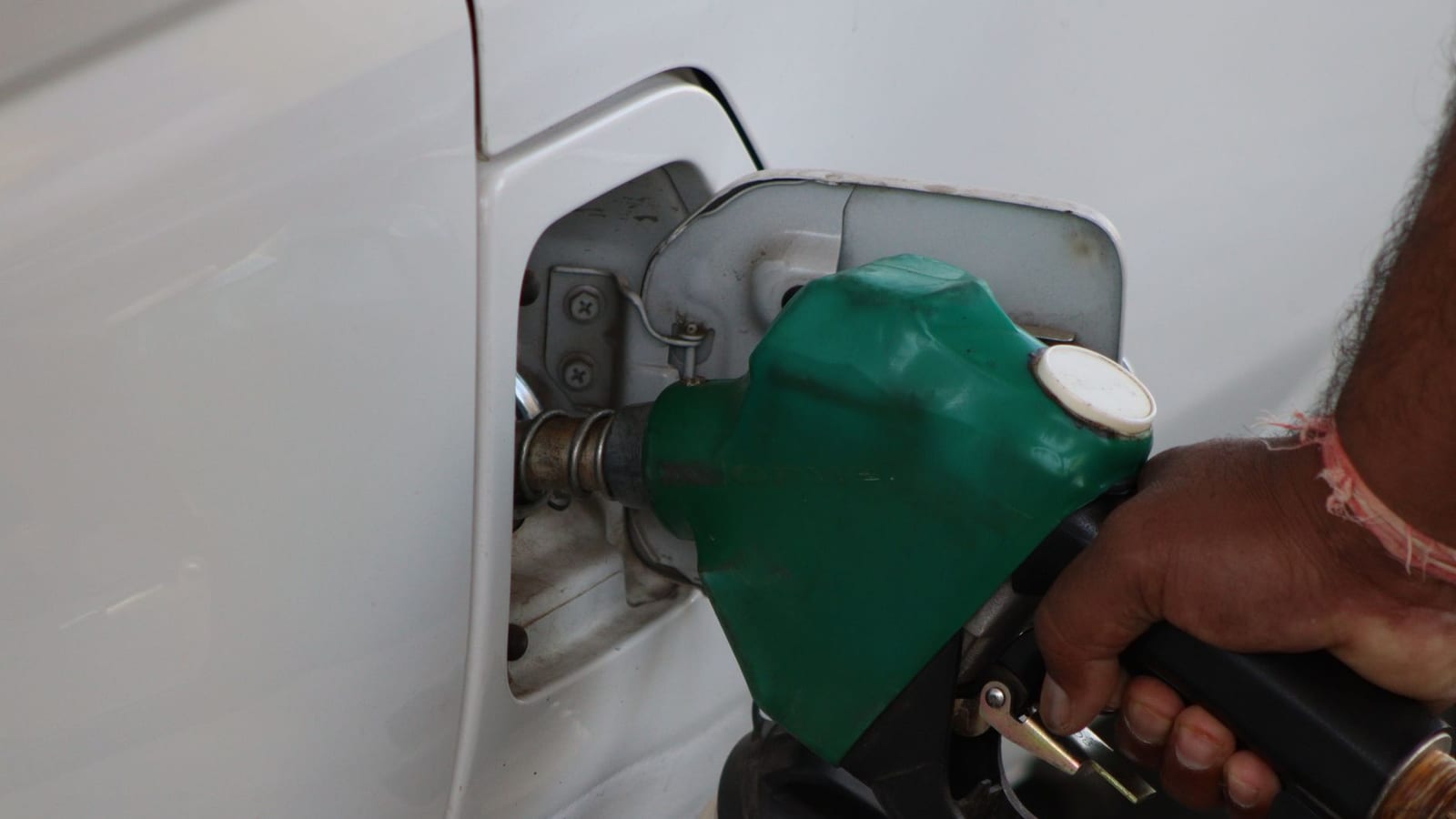
A full car tank now costs about ₹200 more than it did at the start of May. For a family already counting grocery bills, school fees, and EMIs, that is not a small nudge.
Petrol and diesel prices have gone up three times this month. The latest increase came on Saturday, May 23, when petrol rose by 87 paise a litre and diesel by 91 paise.
That takes the total May increase to about ₹5 a litre. The uncomfortable question now is simple. Could another ₹10 be coming?
Fuel prices climb in steps
The price rise has not arrived in one blow. It has come in smaller doses, which is often how fuel shocks enter household budgets.
On May 15, prices rose by ₹3 a litre. On May 19, they went up by about 90 paise. On May 23, they rose again by roughly 90 paise.
For a two-wheeler user buying 20 litres a month, the current increase means ₹100 extra. If prices rise by another ₹10, that same rider pays ₹200 more every month.
For a cab driver, delivery worker, small trader, or sales executive on the road all day, the hit is sharper. Fuel is not a lifestyle expense for them. It is working capital.
Diesel matters even more because it moves trucks, buses, farm equipment, and generators. When diesel gets costlier, transporters pass it on slowly. Then vegetables, packaged goods, cement, and courier charges begin to feel it.
West Asia sends crude higher
The immediate trigger sits far from Indian fuel pumps. Tension in West Asia has pushed crude oil prices higher and made traders nervous.
The conflict involving Israel, the United States, and Iran has unsettled the global oil market. Oil traders dislike uncertainty more than almost anything else.
The bigger fear concerns the Hormuz Strait, a narrow sea route that carries a large share of global oil shipments. Any disruption there quickly raises shipping risks and insurance costs.
Crude oil had climbed to around $120 a barrel earlier. It is now hovering near the $100 to $105 range, but that is still expensive for a country like India.
India imports most of its crude oil. So when global prices rise, the country cannot shrug it off. Someone has to absorb the cost. That someone is usually the oil company, the government, or the consumer.
In the past, governments have used tax cuts to soften the blow. Companies have also delayed price increases when politics demanded it. But delayed pain does not vanish. It gathers quietly on balance sheets.
Oil companies face heavy losses
Public sector oil companies are now carrying that burden. BPCL, Indian Oil, and HPCL have been selling fuel below the cost linked to international crude prices.
The BPCL chairman has said that even after the latest increase, companies may still be losing ₹25 to ₹30 on every litre of diesel. Petrol losses are estimated at ₹10 to ₹14 a litre.
That is the key number behind the anxiety. A ₹5 increase may look large to consumers, but it does not fully close the gap for companies.
The combined losses for oil marketing companies this quarter could reach ₹57,000 crore to ₹58,000 crore. To put that simply, this is not a small accounting wrinkle. It is a hole large enough to hurt investment, borrowing, and future pricing decisions.
The Centre has cut import duties, but that has not erased the pressure. Even after duty relief, companies may still be losing around ₹17 to ₹18 on every litre.
This is why another ₹10 rise is being discussed. It may not fully repair the damage, but it could cover part of the loss.
The household bill gets wider
Fuel inflation never stays at the petrol pump. It travels.
A kirana store owner in a tier-2 city may first notice it through delivery charges. A farmer may feel it through diesel pumps and tractor use. A young professional may see it in cab fares and monthly commuting costs.
The middle class often thinks of petrol prices through car and scooter bills. But diesel shapes the price of nearly everything that moves across India.
If a truck operator pays more for diesel, freight charges rise. If freight charges rise, wholesalers adjust prices. Retailers then pass at least some of that burden to buyers.
That is how a crude oil spike becomes a higher vegetable bill. It is also how a geopolitical crisis becomes a monthly budget problem in Pune, Kochi, Lucknow, or Indore.
The Reserve Bank of India also watches fuel closely because it affects inflation. If fuel pushes prices higher across the economy, interest rate cuts become harder.
That matters for home loan borrowers. A family waiting for lower EMIs may have to wait longer if inflation stays sticky. Fuel prices can quietly shape the cost of money.
A slow rise looks more likely
The likely path from here is not a sudden ₹10 jump in one morning. Companies usually prefer smaller increases spread across days or weeks.
That makes the politics easier. It also gives consumers some time to adjust. But the end result can still be painful if the increases continue.
A phased rise also allows the government to watch crude prices. If global oil cools quickly, the pressure may ease. If crude stays near $100 or moves higher, the pressure will remain.
There is another layer here. India cannot control the price of imported crude. But it can decide how much of the shock falls on consumers through taxes and pricing policy.
That decision is always political. Cut taxes, and the government loses revenue. Raise pump prices, and households feel the squeeze. Ask oil companies to absorb the hit, and their losses balloon.
None of these choices is painless. The real question is who pays first, and who pays later.
For ordinary Indians, the message is clear enough. Watch the pump price, but also watch the grocery bill, cab fare, delivery fee, and EMI outlook. Fuel is rarely just fuel in India. It is the quiet number that slips into every corner of the household budget.