Fuel prices climb in May as oil firms face losses
Petrol, diesel and CNG prices have risen three times in May, adding about Rs 5 a litre as oil companies face pressure from costly crude.
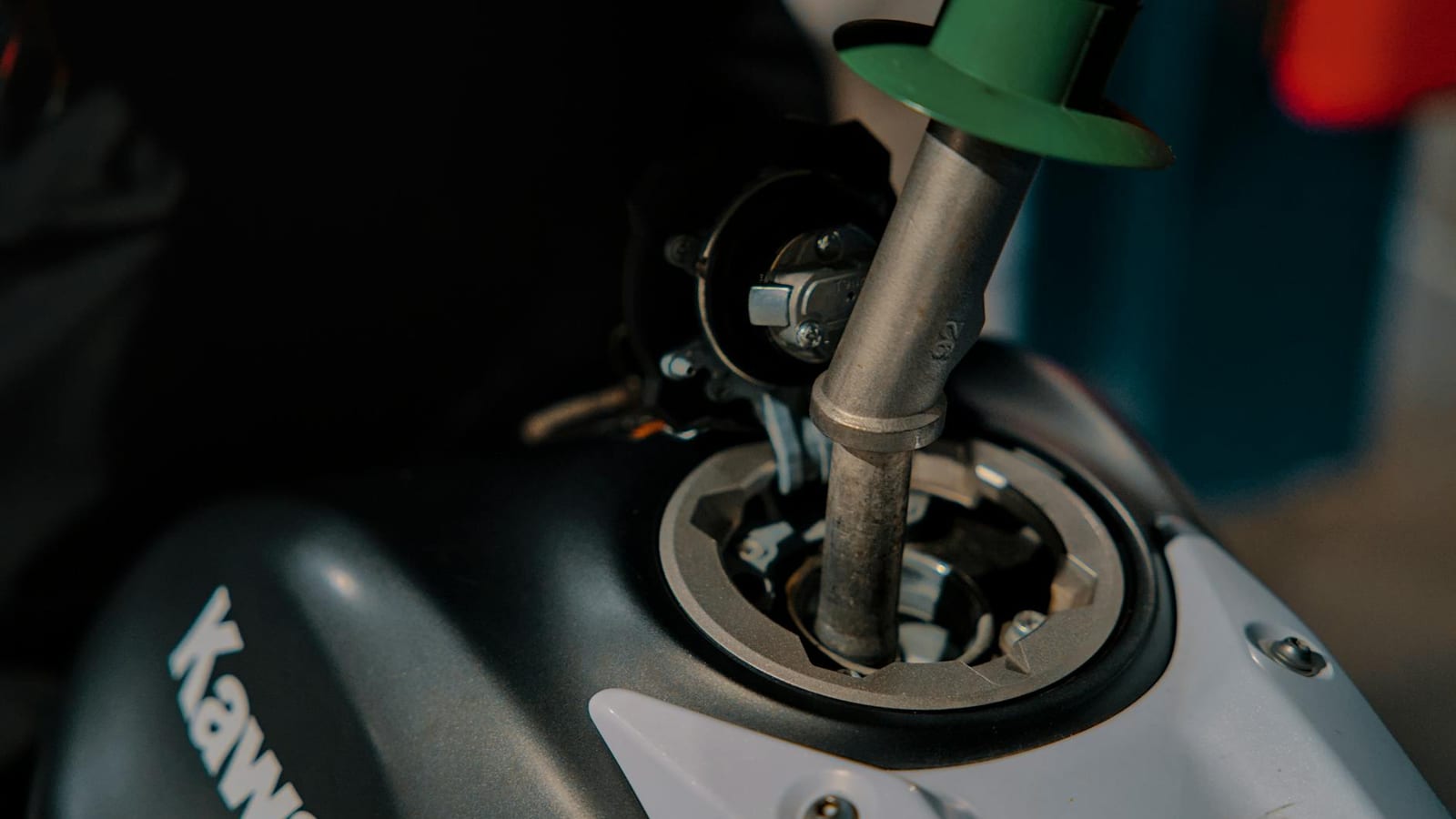
A ₹5 jump at the fuel pump does not sound dramatic on paper. Then a taxi driver fills 35 litres, pays ₹175 extra, and quietly raises the question everyone is asking.
Petrol, diesel and CNG prices have already gone up three times in May. The latest increase came on Saturday, with petrol rising by 87 paise and diesel by 91 paise a litre.
Now comes the harder part. Oil companies may still need another ₹10 per litre hike to reduce their losses, if crude oil stays costly.
Fuel bills are climbing again
The May increases have come in steps, not one shock.
On May 15, fuel prices rose by ₹3 a litre. On May 19, another 90 paise was added. On May 23, diesel rose by 91 paise and petrol by 87 paise.
That takes the total increase this month to roughly ₹5 a litre.
For a two-wheeler owner, that means a full tank now costs ₹40 to ₹60 more than earlier. For a small car owner, the extra cost can cross ₹150 in one refill.
For transporters, the pain is sharper. Diesel powers trucks, buses, tractors and delivery vans. When diesel rises, the cost does not stop at the pump.
It travels into vegetable prices, courier charges, school bus fees and factory dispatch costs.
This is why fuel inflation hits India differently. Many households do not track crude oil prices. But they feel them in milk packets, auto fares and monthly grocery bills.
West Asia risk hits crude
The latest pressure comes from rising tension in West Asia. The conflict involving Israel, the United States and Iran has unsettled the global oil market.
Oil traders dislike uncertainty more than bad news. When conflict threatens supply routes, prices often rise before any actual shortage reaches consumers.
The bigger concern is the Hormuz Strait, one of the world’s most important oil routes. A large share of seaborne crude passes through this narrow channel.
Any disruption there raises shipping costs and delays cargoes. Even the fear of disruption can push crude higher.
Crude oil had touched around $120 a barrel, before easing to the $100 to $105 range. That is still expensive for India.
India imports most of the crude it consumes. So when global oil gets dearer, local fuel prices come under pressure.
The rupee also matters. If the rupee weakens against the dollar, crude becomes costlier in local terms. Oil is bought in dollars, but Indian consumers pay in rupees.
So a high crude price and a weak rupee can hurt together.
Oil firms absorb heavy losses
Public sector oil marketing companies are caught in the middle.
BPCL, Indian Oil and HPCL buy crude or refined fuel at global-linked prices. They then sell petrol and diesel in India, where retail prices move more cautiously.
BPCL’s chairman has said that even after the recent hikes, companies still lose money on every litre.
The loss on diesel is estimated at ₹25 to ₹30 a litre. The loss on petrol is estimated at ₹10 to ₹14 a litre.
That is the real pressure point. Diesel is not just another fuel. It runs the backbone of Indian logistics.
If oil companies absorb the entire loss, their balance sheets weaken. If they pass it on fully, households and businesses take the hit.
The current quarter’s total losses for oil companies are estimated at ₹57,000 crore to ₹58,000 crore.
That is not a small accounting entry. It affects cash flow, borrowing, investment plans and the government’s own fiscal maths.
The Centre has already reduced import duties. Yet companies still face a loss of around ₹17 to ₹18 on each litre, after tax relief.
This shows how steep the crude shock has been. Tax cuts can soften the blow, but they cannot erase it.
Why another ₹10 is possible
The market estimate is blunt. To cover even half the losses, fuel prices may need to rise by up to ₹10 per litre.
That does not mean prices will jump by ₹10 overnight. A staggered increase looks more likely.
Small hikes over several weeks are easier for consumers to absorb politically. They also reduce the shock for transporters and businesses.
But let us be clear. A slow hike still hurts.
A family that spends ₹6,000 a month on fuel may soon spend ₹6,500 or more. A delivery worker may need more trips just to earn the same net income.
For young professionals paying home loan EMIs, school fees or rent, this becomes another quiet squeeze.
Fixed salaries do not move with crude oil. Monthly budgets do.
Businesses face the same problem. A kirana store owner in a tier-2 city may not raise prices immediately. But when transport bills rise, margins shrink.
Large companies can negotiate freight contracts. Small traders usually cannot.
That is where fuel inflation becomes uneven. Everyone pays more, but the weakest players carry the least cushion.
Inflation risk returns to households
Fuel prices do not sit alone in the economy. They influence inflation expectations.
When petrol and diesel rise, people start expecting other prices to rise too. That changes spending behaviour.
A family may delay buying a scooter. A small firm may postpone a delivery van. A transporter may avoid adding new routes.
This matters for growth. Consumption drives a large part of India’s economy.
If households spend more on fuel, they spend less elsewhere. Restaurants, clothing stores and small service businesses can feel that slowdown.
The Reserve Bank of India will also watch this closely. Fuel-driven inflation can complicate interest rate decisions.
If inflation rises, rate cuts become harder. That affects home loan borrowers and businesses seeking cheaper credit.
For the stock market, oil is always a double-edged number. Oil producers may benefit from higher prices, but airlines, paints, chemicals and logistics firms usually face margin pressure.
Retail investors should watch earnings commentary, not just share prices. Companies will start telling us who can pass on costs and who cannot.
The consensus often misses this part. A fuel hike is not only a consumer story. It is also a corporate profit story.
For now, the most honest answer is also the least comforting one. Fuel prices may rise further if crude stays expensive and supply fears continue. The real test will come over the next few weeks, when households, transporters and oil companies all discover how much more pain the system can carry without slowing down everyday life.