Fuel prices may rise Rs 10 as crude squeeze deepens
Petrol and diesel have already climbed about Rs 5 a litre in May, with oil firms facing crude-led losses and another Rs 10 hike still possible.
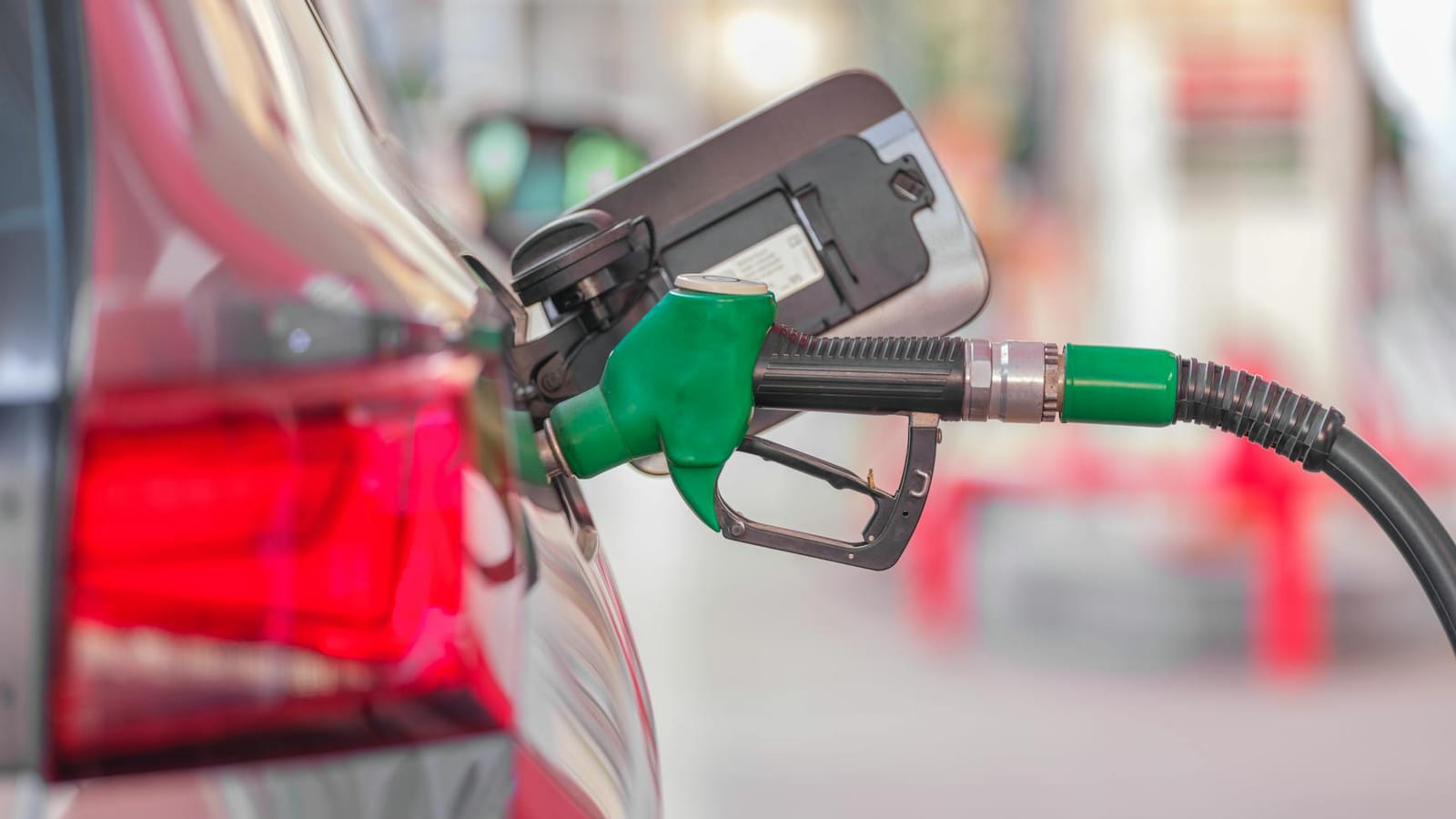
A ₹5 rise in fuel does not sound dramatic until your bike, taxi, truck, or grocery bill meets it.
Petrol and diesel prices have climbed three times in May alone. The latest increase came on Saturday, May 23, when petrol rose by 87 paise a litre and diesel by 91 paise.
That takes the total increase this month to about ₹5 a litre. For a family filling a 40-litre car tank, that is already ₹200 extra. If prices rise by another ₹10, the same refill becomes ₹400 costlier.
Fuel prices face another shock
The pressure comes from crude oil, the raw material India imports to make petrol and diesel. When crude gets expensive, India feels it quickly because we buy most of our oil from abroad.
Global crude prices reportedly touched around $120 a barrel before easing to the $100 to $105 range. That is still uncomfortable for a country like India.
The worry now is simple. Oil marketing companies say they still lose money on every litre they sell. So the ₹5 increase may not be enough.
Market estimates suggest petrol and diesel may need another increase of up to ₹10 a litre. Companies may not do this in one sharp move. They could raise prices in smaller steps over the next few weeks.
West Asia risk hits Indian wallets
The trigger sits far from Indian petrol pumps, but the impact lands right here. Tension involving Israel, the United States, and Iran has shaken the oil market.
The Hormuz Strait is the key concern. A large share of the world’s oil moves through this narrow sea route. Any disruption there makes traders nervous.
Oil prices often rise before a real shortage appears. Markets price fear first, facts later. That is why geopolitical tension can hurt households even before supply actually dries up.
For India, this is a familiar story. A crisis abroad raises crude prices. The rupee comes under pressure. Import bills climb. Then fuel prices, freight costs, and inflation start moving together.
Diesel matters even more than petrol in this chain. Trucks run on diesel. Farm pumps use diesel. Many small businesses depend on diesel generators during power cuts.
So a diesel price rise does not stop at the pump. It travels into vegetable prices, building material costs, bus fares, and delivery charges.
Oil firms count mounting losses
Public sector oil companies are carrying the burden. BPCL, Indian Oil, and HPCL sell fuel across the country through huge retail networks.
BPCL’s chairman has said companies still face heavy losses even after the latest price hikes. Diesel losses are estimated at ₹25 to ₹30 a litre. Petrol losses are pegged at ₹10 to ₹14 a litre.
That means every litre sold below cost burns a hole in company finances. The gap looks small at one petrol pump. Across crores of litres, it becomes a massive bill.
Current estimates put the combined quarterly loss of oil marketing companies at ₹57,000 crore to ₹58,000 crore. That is not loose change. It is a bill large enough to affect balance sheets, dividends, and government finances.
The central government has cut import duty to soften the blow. Even after that, companies are said to be losing about ₹17 to ₹18 on every litre.
This is where the politics becomes difficult. If companies raise prices fully, consumers feel immediate pain. If they do not, public sector firms carry losses. If the government absorbs more, the fiscal bill rises.
There is no painless option here. Someone pays, either at the pump, through taxes, or through weaker public sector finances.
The ₹10 question for households
A further ₹10 increase sounds like one number. For ordinary people, it breaks into many smaller cuts.
A two-wheeler rider may spend ₹80 to ₹120 more every few refills. A cab driver may lose daily income unless fares rise. A small transporter may renegotiate rates with shopkeepers.
A kirana store owner in a tier-2 city may pay more for deliveries. That cost may then appear quietly in rice, oil, biscuits, or soap.
Young professionals already paying home loan EMIs will notice the pinch differently. Their salary may stay the same, but fuel, groceries, and local travel will take a bigger bite.
The inflation risk is real because fuel works like a base cost. It sits inside transport, farming, manufacturing, and services. When fuel rises, many other prices get permission to rise.
The Reserve Bank of India watches this closely because fuel inflation can spread fast. If inflation stays high, interest rate cuts become harder. That affects borrowers waiting for cheaper loans.
For investors, oil company stocks may remain under pressure if losses keep rising. But the market will also watch whether the government allows gradual price hikes.
A slow increase may protect consumers from shock. It may also help companies recover part of their losses. But it will stretch the pain over several weeks.
That is why this fuel price story is not just about petrol pumps. It is about how India shares the cost of a global oil shock.
If crude cools and West Asia tensions ease, the pressure may reduce. If oil stays near $100 a barrel or climbs again, pump prices will remain politically hot and personally expensive.
For now, the sensible reader should watch three things: crude prices, the rupee, and weekly fuel revisions. Together, they will decide whether May’s ₹5 increase was the worst of it, or only the first instalment.