Kirloskar Oil Engines jumps on HyperNext data centre deal
Kirloskar Oil Engines rallied after a 192 MW HyperNext data centre power systems order, with JM Financial suggesting further stock upside.
A stock hitting the 20 percent upper circuit is not a quiet market move. It is the market shouting.
That is what happened to Kirloskar Oil Engines on Monday, June 22, when the share price jumped to ₹2,390 and got locked at the day’s maximum permitted gain. For a retail investor holding ₹1 lakh worth of the stock before the move, that meant a paper gain of roughly ₹20,000 in one session.
The trigger was not a routine order. It was a large data centre power systems deal from HyperNext, one of the hyperscale players in the sector. In plain English, this is the kind of customer that builds very large computing facilities, the backbone behind cloud services, apps, artificial intelligence, and digital payments.
Why this order matters
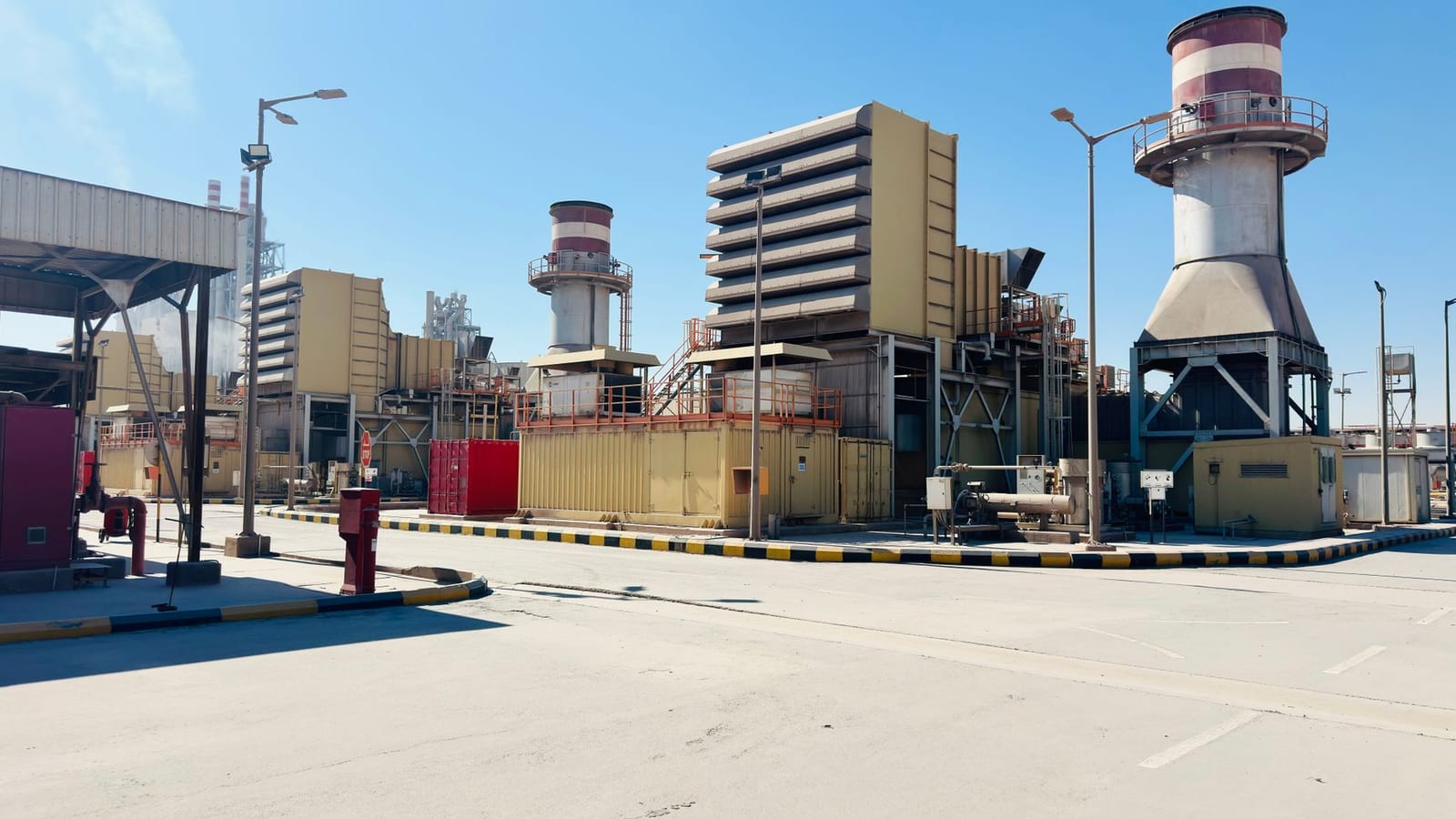
Kirloskar Oil Engines will supply 96 units of its 2,500 kVA Optiprime Dual Core power systems. Together, these units add up to 192 MW of capacity.
That number sounds technical, so think of it this way. Data centres cannot afford power interruptions. Every server rack needs reliable backup power. A few minutes of outage can hurt banks, cloud platforms, trading systems, and enterprise customers.
That is why diesel and gas-based power systems still matter, even as the economy talks more about renewables. Data centres may run on grid power most of the time, but backup power is their insurance policy.
The order also gives Kirloskar Oil Engines a stronger foothold in the colocation and hyperscale data centre market. Colocation means companies rent space and power in a shared data centre instead of building their own.
Until now, this high-capacity segment has largely belonged to Cummins, which has a market share estimated at more than 80 percent. So this deal tells the market something simple. Kirloskar is no longer just knocking on the door. It has entered the room.
Brokerages see a valuation shift
JM Financial upgraded Kirloskar Oil Engines to “Buy” and set a target price of ₹2,430. That is only slightly above Monday’s level of ₹2,390, but the message matters more than the number.
The brokerage said Kirloskar’s new products have reduced the capability gap with Cummins. In market language, that means investors may start valuing Kirloskar closer to the leader if it keeps winning similar orders.
This is the real story behind the 20 percent jump. Investors are not only reacting to one order. They are trying to price in a possible change in status.
For years, Cummins enjoyed a clear technology and brand edge in large engines used by data centres. If Kirloskar can prove its systems work at scale, the old discount in its valuation may shrink.
JM Financial also pointed to three drivers. The company is expanding capacity, hiring senior talent from competitors, and pushing exports. Each of these can matter if the data centre cycle stays strong.
Kirloskar has planned ₹14 billion in capital expenditure at its Kagal facility. That investment could add 20,000 engines a year. JM Financial expects this expansion to support the high-horsepower portfolio and add ₹5 billion to ₹6 billion in annual sales at peak use by FY30.
Data centres need serious power
India’s data centre demand is rising because almost everything is moving online. Banks, streaming platforms, hospitals, government systems, e-commerce firms, and AI services all need computing capacity.
That growth creates a second-order opportunity. It does not only benefit real estate developers and cloud companies. It also helps firms that supply power systems, cooling equipment, cables, switchgear, and construction services.
For Kirloskar Oil Engines, the timing is useful. The company has already supplied its 2,500 kVA Optiprime system to a Mumbai-based data centre run by a leading bank. Now, the HyperNext order gives it a larger proof point.
The company has also developed a 2,750 kVA data centre-certified engine. This puts it closer to Cummins’ larger QSK78 platform, which has been a benchmark in this category.
That does not mean Kirloskar can displace Cummins overnight. Data centre customers are conservative for good reason. They prefer equipment with a long record of reliability, quick service support, and proven uptime.
But they also like credible alternatives. A second serious supplier can improve pricing, delivery timelines, and bargaining power. For customers, that matters as much as the brand name.
Motilal Oswal raises its view
Motilal Oswal also raised its target price on the stock to ₹2,350 from ₹1,900 while keeping a “Buy” rating. Interestingly, Monday’s market move already took the share price above that revised target.
That is where retail investors need to slow down. A brokerage upgrade can fuel a rally, but a stock can also move faster than the underlying earnings catch-up.
Motilal Oswal expects Kirloskar’s capex plans to help it benefit from the data centre boom. The company had announced ₹7 billion in capital expenditure in FY25, followed by the larger ₹14 billion plan in May 2026.
The brokerage also expects the industrial business to gain from large orders over the next two years. This could help offset weak construction demand, which has been a drag in some parts of the economy.
The operating logic is simple. If Kirloskar sells more engines from the same factory base, fixed costs spread across higher volumes. That can lift margins, provided input costs and pricing remain favourable.
For shareholders, margins matter as much as revenue. A company can win big orders, but the stock sustains gains only if those orders turn into profitable sales.
What investors should watch now
The Bombay Stock Exchange’s Sensex and the National Stock Exchange’s Nifty 50 often grab the headlines. But sharp single-stock moves like this show where market excitement is really building.
In this case, the excitement sits at the meeting point of manufacturing, data centres, and India’s digital infrastructure push.
Still, a 20 percent upper circuit should not be treated like a guarantee. It only means buyers overwhelmed sellers that day. It does not remove execution risk.
Investors should watch three things now. First, whether Kirloskar wins more hyperscale data centre orders. Second, whether the Kagal expansion stays on schedule. Third, whether margins improve as volumes rise.
There is also a customer concentration question. Large orders look good, but repeat demand from multiple clients will prove the business case better than one marquee win.
For ordinary investors, the lesson is familiar. A company can rerate when the market believes its future has changed. But that belief needs earnings, delivery, and cash flows to back it.
Kirloskar Oil Engines has got the market’s attention. Now it has to show that Monday’s jump was not just a stock market spark, but the start of a stronger business cycle.