Kiyosaki Warns Investors as Gold, Silver Bets Surge
Robert Kiyosaki has renewed his market crash warning, backing gold, silver and Bitcoin as safer hard-asset bets for nervous investors now.
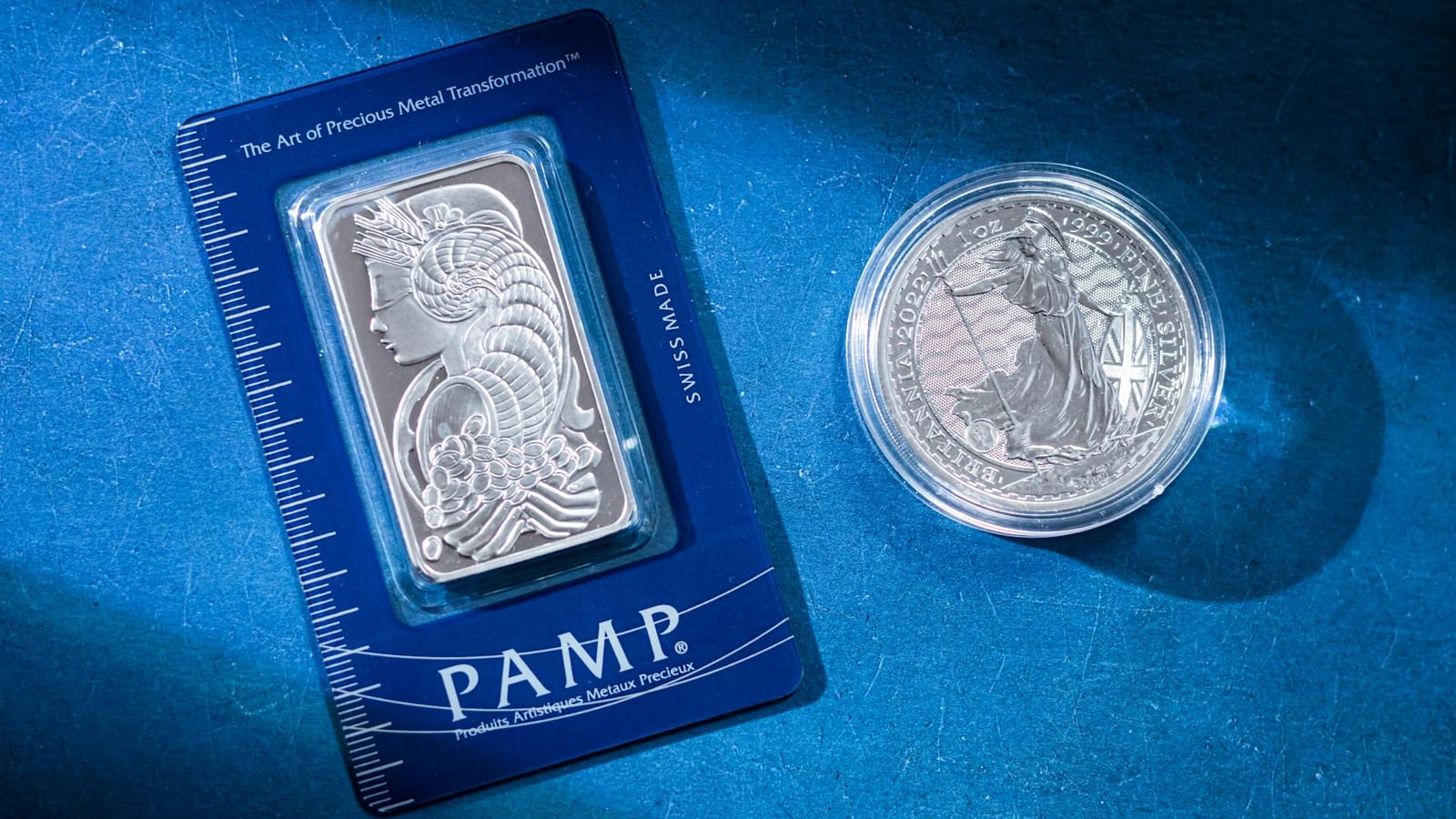
A scary market forecast travels faster than a market correction. This time, it comes with two shiny numbers: gold at $100,000 an ounce, and silver at $200.
Robert Kiyosaki, the author of Rich Dad Poor Dad, has warned again that a stock market crash is near. He also repeated his old advice: hold hard assets like gold, silver and Bitcoin, rather than trusting only paper money or conventional financial assets.
For Indian investors, this is not just global market theatre. Gold already sits deep inside Indian homes, lockers and wedding budgets. So when someone predicts a wild rise in gold and silver, people listen, even if they should not rush.
Kiyosaki’s crash call returns
Kiyosaki said in a social media post that veteran market strategist Jim Rickards sees gold eventually reaching $100,000 an ounce. Kiyosaki himself said silver could rise to $200 an ounce.
He said gold was near $4,500 an ounce and silver near $75. Those are already elevated levels by recent historical standards. His point was simple: if the financial system cracks, investors holding real assets may do better than those holding only stocks, bonds or cash.
That is the kind of line that works well online. It is simple, sharp and frightening. It also sits neatly with Kiyosaki’s long-running view that currencies lose value when governments borrow too much and print too freely.
But investors should separate the message from the megaphone. A crash warning is not a calendar. A price target is not a guarantee. Gold at $100,000 would need a truly extreme change in the global money system.
Gold slips despite fear trade
Gold did not behave like a rocket on Friday. Spot gold fell 0.6 percent to about $4,515.83 an ounce. It had dropped as much as 1 percent earlier in the session.
US gold futures for June delivery also ended lower, slipping 0.4 percent to around $4,523.20 an ounce. Silver fell more sharply, down 1.1 percent to about $75.85 an ounce.
That matters because gold often rises when fear rises. But markets are rarely that neat. When US bond yields stay high, gold can struggle.
The reason is easy to understand. Gold does not pay interest. A US government bond does. So when the yield on the 10-year US Treasury sits near its highest level in over a year, some investors prefer income over insurance.
Oil also added pressure. Crude prices rose as investors doubted whether US-Iran talks would quickly ease supply worries. Higher oil prices can feed inflation, and inflation can push central banks toward tighter policy.
That puts gold in a tricky place. Inflation fears support gold, but higher interest rates hurt it. This tug of war explains why gold can fall even when the headlines look scary.
What Indian investors should read
For an Indian household, gold is not a strange asset. It is jewellery, savings, security and emotion, all in one. Many families understand gold better than they understand a mutual fund factsheet.
Still, the market version of gold is different from the family version. Buying jewellery brings making charges and purity issues. Buying sovereign gold bonds, gold ETFs or digital gold brings other rules, risks and costs.
If gold rises from $4,500 to $100,000, that would be a rise of more than 20 times. A ₹5 lakh gold holding could, in theory, become more than ₹1 crore before costs and currency changes. That is why such forecasts grab attention.
But the same math also tells us how extreme the call is. Such a move would likely mean deep trouble elsewhere: a dollar crisis, runaway inflation, broken confidence in government debt, or some mix of all three.
That is not a normal bull market. That is a financial storm.
Silver’s story is a bit different. It acts like a precious metal, but industry also uses it in solar panels, electronics and electric vehicles. So silver can rise on fear, but also on demand from factories.
That makes silver more volatile. It can move faster than gold, both up and down. For retail investors, that means higher excitement and higher risk.
Why the hard-asset argument sells
The hard-asset argument has gained strength because people can see the pressure points. Government debt is high in many large economies. Inflation has not vanished from public memory. Wars and trade tensions keep disturbing supply chains.
Central banks have also bought more gold in recent years. They use gold to diversify reserves, which means they do not want to depend only on the US dollar. That gives gold bulls a strong talking point.
Kiyosaki links this broader anxiety to his preference for gold, silver and Bitcoin. His argument is that assets with limited supply can protect people when currencies lose purchasing power.
Indian investors should hear that argument, but not swallow it whole. Bitcoin can swing wildly. Silver can punish late buyers. Gold can stay dull for years after a big rally.
The Bombay Stock Exchange’s Sensex and the National Stock Exchange’s Nifty 50 may correct sharply at times, but they also represent real companies. Banks, IT firms, consumer companies and manufacturers create earnings, jobs and dividends.
So the real question is not whether gold is good or stocks are bad. The question is how much of each belongs in a sane portfolio.
For a young professional paying a home loan, emergency cash matters more than a dramatic gold forecast. For a retired person, steady income may matter more than chasing silver. For a small business owner, liquidity can be the difference between surviving and selling assets in distress.
The rate signal to watch
The next big clue will come from interest rates. If the US Federal Reserve keeps rates high, gold may face resistance despite fear in the market.
If growth weakens and central banks start cutting rates, gold could get fresh support. Lower rates reduce the appeal of interest-paying assets. That often helps non-yielding assets like gold.
Oil also deserves attention. If crude keeps rising, inflation fears will return to kitchen budgets and company balance sheets. In India, dearer oil can pressure the rupee, widen the import bill and raise costs across transport and manufacturing.
A weaker rupee can make gold more expensive for Indian buyers, even if dollar gold moves slowly. That is why local gold prices do not always feel aligned with global charts.
This is where many retail investors go wrong. They see one global price and forget currency, tax, spreads and timing. The price on a screen is not always the price in your hand.
Kiyosaki’s warning may prove early, exaggerated or partly right. Markets have a habit of making both bulls and bears look foolish before they look smart. What ordinary investors need is not panic, but preparation: enough cash, sensible diversification, and no blind faith in any single asset. Gold can protect wealth, but discipline protects people from their own fear.