MCX bullion jumps as West Asia peace hopes lift metals
Gold futures rose ₹821 per 10 grams and silver jumped ₹5,399 per kg on MCX as traders priced in West Asia peace hopes and softer inflation risks.
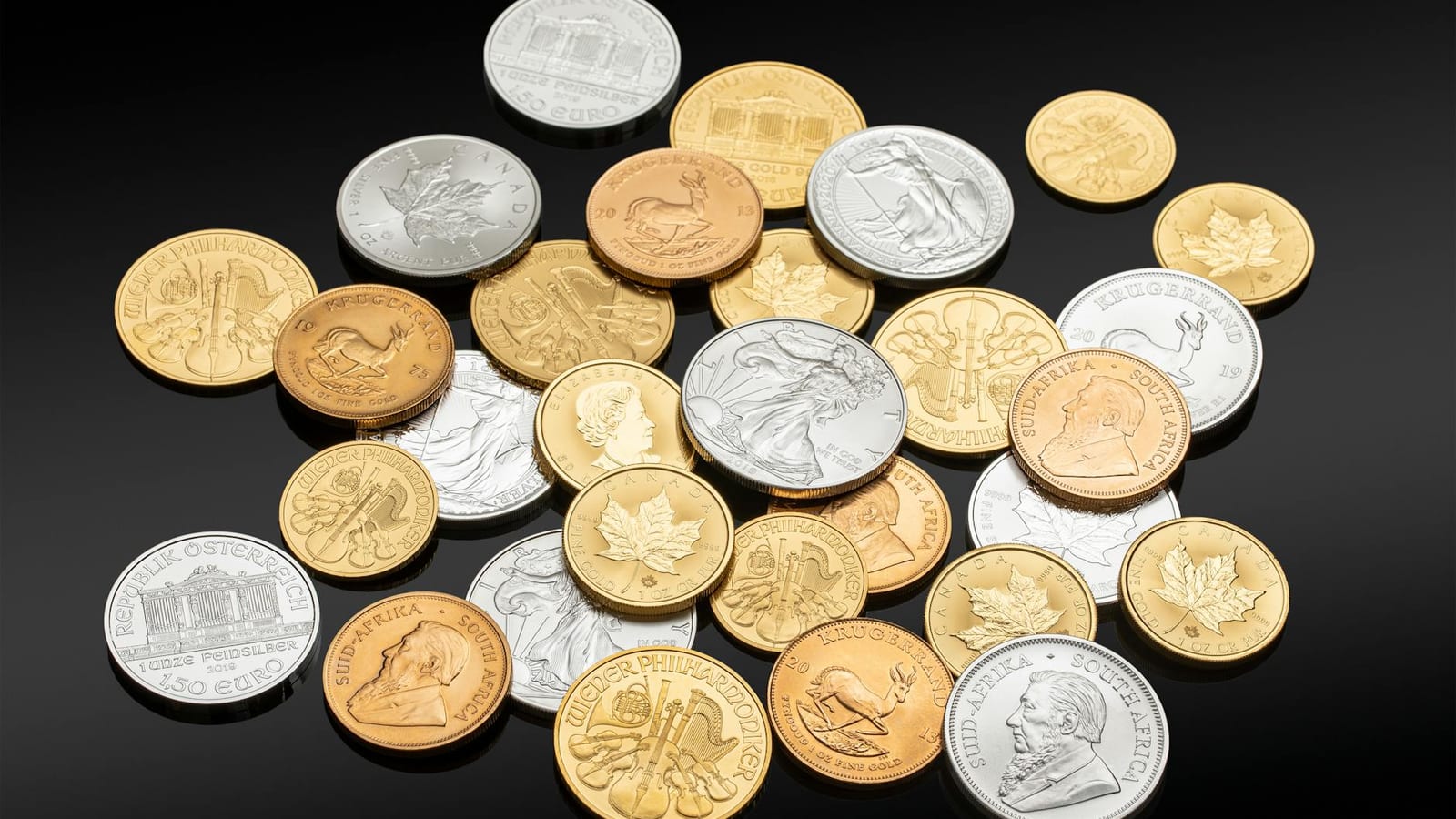
Gold moved like a nervous patient on Monday, jumping ₹821 for 10 grams before most families could even finish comparing wedding jewellery rates.
Silver was sharper. On the Multi Commodity Exchange, MCX silver futures climbed ₹5,399 a kg to touch ₹2,77,245. Gold futures hit ₹1,59,500 for 10 grams.
For Indian households, this is not just a market chart. It changes jewellery budgets, bullion bets, and the mood at every shop counter.
Gold rises on peace hopes
The immediate trigger came from West Asia. Donald Trump said a deal involving Iran had been largely worked out after talks with Israel and regional allies.
Markets heard one thing clearly. If peace looks possible, oil may cool. If oil cools, inflation fears ease. If inflation eases, interest rate pressure may also soften.
That chain matters for gold. Gold earns no interest. So when bond yields rise, investors often prefer assets that pay them something.
But when the dollar weakens and rate fears cool, gold gets breathing room. That is what traders saw on May 25.
Silver also rode the same mood. It often moves faster than gold because it has two lives. Investors buy it as a precious metal, while factories use it in electronics and clean energy.
Hormuz remains the key risk
The centre of this story is the Strait of Hormuz, a narrow but critical oil route. A large share of Gulf crude moves through this passage.
Trump said Washington would keep its blockade in place until a formal agreement arrives. That means traders are not treating peace as done.
For India, Hormuz is not a faraway waterway. It sits inside our fuel bill. India imports most of its crude oil, and much of that supply depends on Gulf routes.
When oil rises, petrol, diesel, transport, fertiliser, and plastics feel the heat. That pressure eventually reaches grocery shelves and household budgets.
This is why bullion prices reacted to peace talk. Gold traders were really reading the oil market, the dollar, and central bank signals together.
If Hormuz reopens smoothly, crude could soften further. That would reduce one major inflation worry for India and other oil importers.
If the talks fail, oil may jump again. Then gold may regain its safe-haven shine, even if high rates remain a problem.
Fed signals keep traders uneasy
The other half of the story sits in Washington. The US Federal Reserve has made it clear that inflation still worries it.
The central bank’s latest policy record showed that several officials still see a rate increase in 2026 as possible. That is not what gold traders love to hear.
Fed Governor Christopher Waller also signalled that he no longer favours a clear easing bias. In simple terms, he does not want the Fed to sound too ready to cut rates.
This matters because global money moves where it gets paid best. When US rates look higher, the dollar and bonds become attractive.
That can pull money away from gold. It can also affect emerging markets like India, where foreign flows often react quickly to US rate expectations.
So Monday’s bounce came with a warning label. Peace hopes helped gold and silver recover, but rate fears have not vanished.
Since the start of the conflict, MCX gold has fallen more than 10 percent. Silver has dropped nearly 20 percent. That is a hard move for anyone who entered near the top.
The May rebound also had another layer. Part of the earlier recovery came from higher customs duty, not only global demand.
That distinction matters. A duty-led price rise can lift domestic prices even when international prices stay weak.
What buyers should watch
For a family buying jewellery, this market feels unfair. Prices fall when you are waiting, rise when you finally need to buy.
But bullion is not a one-day game. Gold buyers should separate consumption from investment. Wedding jewellery and investment gold serve different purposes.
Jewellery carries making charges and wastage. Those costs can eat into returns. Coins, bars, and exchange-traded funds usually suit investment better.
Silver is even trickier. It can give big moves, but it also falls hard. Monday’s ₹5,399 jump looks exciting, but recent losses show the risk.
A small investor should not read one day’s rally as a clean trend. The market still depends on Hormuz, oil prices, the dollar, and Fed language.
For a jeweller, volatility creates another problem. Customers delay purchases when prices move wildly. Traders then struggle with inventory bought at higher rates.
For a household, the best approach remains boring but useful. Avoid lump-sum buying during panic. Spread purchases if the need is not urgent.
For investors, gold still plays the role of insurance. It protects portfolios when the world looks unstable. But insurance should not become the whole portfolio.
The coming days will test whether Monday’s optimism has legs. A signed deal, a reopened oil route, and softer crude could calm markets.
But if talks drag on, gold and silver may swing again. For ordinary Indians, the message is simple. Do not chase the glitter. Watch the oil route, the dollar, and the Fed before opening your wallet.