MCX Bullion Rallies As Gold, Silver Futures Climb
MCX gold and silver futures climbed as hopes of a US-Iran peace deal weakened the dollar and pulled crude lower, lifting bullion sentiment.
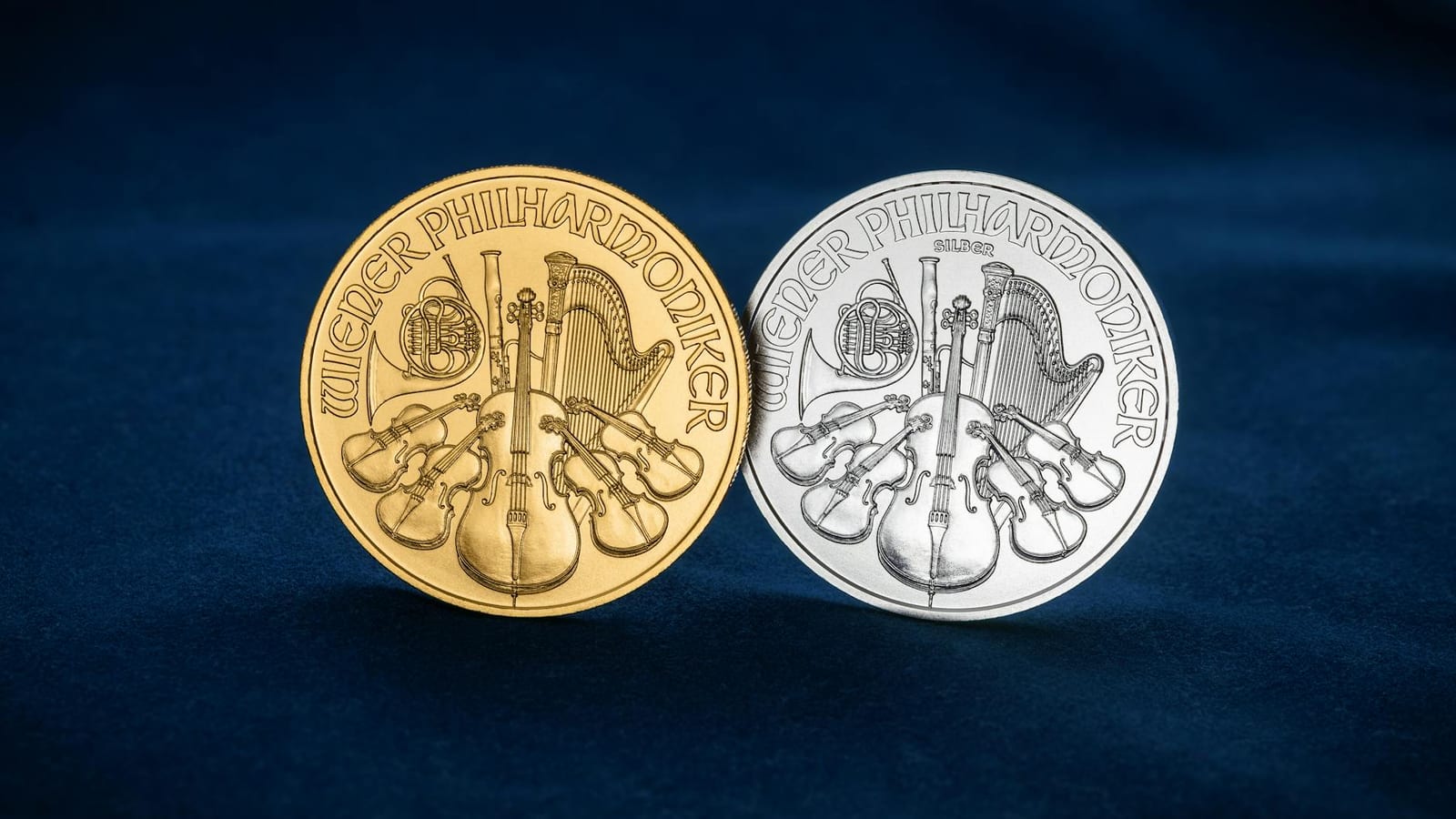
A ₹820 jump in gold can sound like market noise, until you remember how Indians buy it. For a family planning wedding jewellery, it changes the bill. For a trader, it changes margin calls. For a saver, it changes the old question: should I buy now or wait?
On Monday, May 25, MCX near-month gold futures climbed ₹821 per 10 grams to touch ₹1,59,500. Silver moved even faster, rising ₹5,399 per kg to hit ₹2,77,245.
This was not just about jewellery demand. It was about war, oil, the dollar, and interest rates. In other words, the usual global cocktail that eventually reaches Indian households.
Peace hopes lift bullion prices
The trigger came from fresh hope around the Iran conflict. US President Donald Trump said a deal had been “largely negotiated” after talks with Israel and regional allies.
Markets heard one thing clearly: the conflict may cool. That matters because investors often buy gold when the world looks unsafe. But this time, gold still rose.
Why? Because peace hopes also pulled crude oil lower and softened the US dollar. A weaker dollar usually helps gold, since the metal is priced globally in dollars.
For Indian buyers, the rupee-dollar link matters. If the dollar weakens, imported gold can become less expensive than it otherwise would. India imports most of its gold, so currency moves quietly sit inside every jewellery bill.
Silver’s rise was sharper in rupee terms. That is common when markets turn quickly. Silver acts like both a precious metal and an industrial metal. So it can move harder than gold when traders sense a shift.
Hormuz remains the key risk
The market is watching the Strait of Hormuz with unusual attention. This narrow sea route carries a large share of the world’s oil shipments.
Trump has said Washington will keep its blockade in place until a formal deal comes through. That line matters more than the hopeful headline.
If Hormuz stays blocked, oil tankers remain disrupted. If oil stays expensive, India feels it quickly. Petrol, diesel, aviation fuel, fertiliser costs, and shipping bills all get touched.
India imports most of its crude oil. So a crisis near the Persian Gulf is never distant for us. It can show up in pump prices, airline fares, and monthly grocery bills.
That is why gold and oil are moving together in market conversations. Gold is not only reacting to fear. It is also reacting to what oil may do to inflation.
When oil rises, inflation pressure rises. When inflation stays high, central banks hesitate to cut interest rates. That is the chain traders are watching.
Fed worries cap the mood
The US Federal Reserve remains the other big force behind bullion. Gold does not pay interest. So when bond yields rise, some investors prefer interest-paying assets.
The Fed’s latest policy discussions showed officials still worry about inflation. Some believe a rate hike in 2026 may be needed if inflation stays above the 2 percent target.
That is not what gold buyers wanted to hear. Higher rates make gold less attractive for big global funds. They can earn better returns elsewhere with lower storage and price risk.
Fed Governor Christopher Waller has also signalled less comfort with an easy policy stance. In plain English, the Fed may not rush to cut rates.
This is why bullion has looked jumpy for weeks. A peace headline lifts sentiment. A Fed comment pulls it back. An oil move changes the picture again.
For small Indian investors, this creates confusion. Gold is meant to feel steady. But futures prices can behave like a high-speed trading screen.
Since the conflict began, MCX gold has fallen more than 10 percent. Silver has dropped nearly 20 percent. Monday’s rise partly repaired that damage, but it did not erase the earlier fall.
What this means for Indians
For households, the first lesson is simple. The gold rate at a jewellery store is not just about local demand. It carries global fear, oil prices, currency moves, and tax changes.
A ₹821 move per 10 grams can matter sharply for families buying larger quantities. On 100 grams, that move alone is ₹8,210 before making charges and taxes.
For silver, the swing is even more visible. A ₹5,399 rise per kg can affect buyers of utensils, coins, and small manufacturers using silver inputs.
Traders will see this differently. They may focus on futures charts, margin requirements, and stop-loss levels. But ordinary buyers should avoid treating every daily move as a signal.
Gold has a place in Indian portfolios. It can protect savings during shocks. But it can also fall quickly when interest rates rise or the dollar strengthens.
That is the part many retail investors miss. Gold is not risk-free. It only carries a different kind of risk.
Customs duty also matters. A part of the earlier rebound in May came from duty changes, not just global demand. So domestic prices can move even when world prices look calmer.
This makes timing hard. A family buying for a wedding cannot wait forever. An investor, however, can spread purchases across time.
That boring method often works better than guessing the perfect day. Buying in small parts reduces regret when prices move suddenly.
Investors should watch three signals
The first signal is Hormuz. If the route reopens, crude could ease further. That may reduce inflation fear and change how traders price gold.
The second signal is the dollar. A weaker dollar usually supports bullion. A stronger dollar can pressure prices, especially for import-heavy countries like India.
The third signal is the Fed. If US rates stay high, gold may struggle to climb smoothly. If rate-cut hopes return, bullion could regain strength.
Indian investors should also watch the rupee. Even if global gold falls, a weak rupee can keep local prices high.
That is why headline gold prices can mislead. The international chart may say one thing. The Indian bill may say another.
For now, gold and silver are telling us the same story. Markets want peace, but they do not trust it yet. Oil has eased, but the route that carries it remains a pressure point. The Fed sounds cautious, but inflation has not fully behaved.
For ordinary Indians, the smart move is not panic buying or panic selling. It is understanding that the price tag on gold is now a global news ticker. The next few weeks will decide whether Monday’s jump was a real turn, or just another sharp bounce in a nervous market.