Micron revenue surge eases Wall Street AI worries
Micron's sharp revenue jump and after-hours stock rally eased investor concerns over AI demand, with spillover signals for global tech funds.
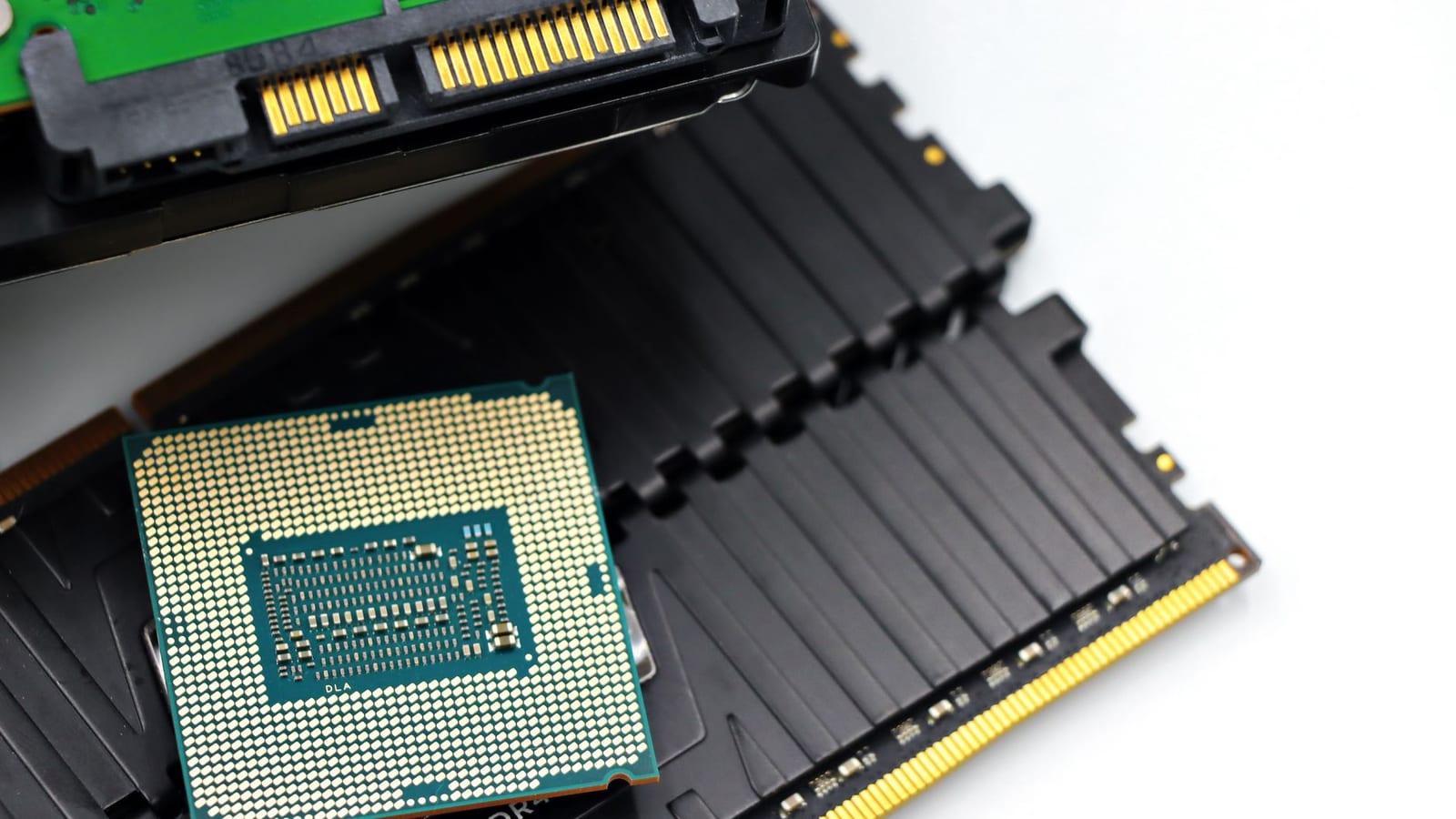
One US chip stock just told global investors whether the AI boom still has breath left.
Micron Technology came into June 24 with nerves all around it. Its shares had dropped about 13% in the previous tech sell-off, then slipped again in regular trade.
Then the numbers landed after US market hours. Revenue hit $41.46 billion, up 346% from a year earlier. The stock jumped about 13% after hours, because Wall Street wanted proof, and Micron gave it.
For Indian investors, this is not some distant Nasdaq drama. If you hold a global tech fund or US ETF, the AI spending cycle sits inside your portfolio. Indian IT stocks also feel it.
Micron’s report calms AI nerves
Micron makes memory chips. In plain English, these chips help computers hold and move data while they work.
That sounds boring until AI enters the picture. Large AI systems need oceans of memory, not just fast processors. Without enough memory, even the best AI chip starts waiting.
Micron said adjusted earnings came in at $25.11 a share for its fiscal third quarter. Adjusted earnings strip out some one-off costs and gains. A year earlier, that figure was $1.91.
Revenue rose to $41.46 billion from $9.3 billion a year earlier. It also beat the roughly $35.9 billion analysts had expected.
The company also guided for about $50 billion in revenue this quarter. That was well above the market’s expectation of nearly $43.6 billion.
The most telling number was gross margin, near 85%. That means Micron kept almost 85 cents from every sales dollar after production costs. In memory chips, that is a very fat cushion.
Sanjay Mehrotra, Micron’s chief executive, tied the performance to demand for AI memory. He also said the company was spending heavily on technology, products, and supply.
Why memory has become precious
For years, memory chips moved in ugly cycles. Prices rose when supply was tight. Then everyone built capacity, supply flooded the market, and profits crashed.
This time, investors believe AI may have changed the rhythm. That belief now has numbers behind it, at least for this quarter.
High-bandwidth memory, called HBM, is the star product. It lets AI chips pull in huge amounts of data very quickly. DRAM works as short-term memory. SSDs store the data.
Micron recently struck a multi-year supply deal and investment agreement with Anthropic. Under that arrangement, Micron will supply HBM, DRAM, and SSDs for Claude AI training and use.
That deal matters because AI companies are no longer buying chips like office stationery. They are locking in supply years ahead, much like airlines secure fuel contracts.
This also explains why Micron is spending so much. Capital expenditure, or capex, means money spent on factories, equipment, and clean rooms. Micron spent $7 billion in the May quarter.
It expects even higher spending ahead. That is the price of staying relevant when cloud companies want more memory than suppliers can make.
The Indian investor angle
The first Indian lesson is simple. AI stocks can move your money even when you never bought Micron directly.
The Nasdaq 100 fell 3.3% during the recent tech rout. For someone with ₹5 lakh in a Nasdaq-linked fund, that is a ₹16,500 hit before currency moves.
The S&P 500 fell 1.4% in the same wave. On a ₹5 lakh US index exposure, that means about ₹7,000 erased in one session.
Micron then jumped about 13% after hours. A direct ₹1 lakh holding would move ₹13,000 on that swing alone. This is why global investing feels calm for months, then suddenly personal.
The Bombay Stock Exchange’s Sensex and National Stock Exchange’s Nifty 50 do not track Micron tick by tick. Still, US tech sentiment often guides foreign investor mood.
When US chip stocks rally, risk appetite usually improves. When they crack, money managers often cut exposure across markets, including India.
Indian IT companies also watch this cycle closely. If global firms keep spending on AI, cloud and data projects may stay active. If they cut back, outsourcing budgets can tighten.
For consumers, memory shortages can show up in dull but real ways. Laptops, phones, servers, and cloud bills can become costlier when parts are scarce.
Valuation risk has not vanished
Micron may have passed this earnings test, but the bigger market question remains open. How much future growth have investors already priced in?
The stock has risen roughly 270% this year. Over the past 12 months, the move has been several times larger. That creates excitement, but also fragile confidence.
Before the results, Micron traded above a $1 trillion market value. It had become larger than old corporate names such as Walmart and Intel.
That kind of jump invites two reactions. New investors fear missing out. Older market hands ask whether profits can stay this strong.
The worry is not silly. AI companies are spending enormous sums on data centres, chips, electricity, and cooling. Investors now want proof that this spending will earn real returns.
The US Federal Reserve adds another pressure point. If US interest rates rise later this year, borrowing becomes costlier for companies building AI infrastructure.
Higher rates also hurt richly valued stocks. Future profits look less attractive when safer bonds offer better returns today.
This is why Micron’s capex matters. Heavy spending can support future growth, but it also raises the stakes. If demand cools, factories do not become cheaper overnight.
The consensus may still be underplaying one risk. AI demand can be real, and valuations can still run too far. Both can be true at once.
For now, Micron has given the market what it wanted, proof that AI demand still reaches the companies making essential parts. But ordinary investors should read the result with both eyes open. This is a powerful earnings story, not a guarantee. The next phase will decide whether AI becomes a steady profit engine, or another cycle where late buyers pay the highest price.