NSE to keep equity F&O trading open until 3:40 pm
NSE will extend equity derivatives trading by 10 minutes from August 3, giving traders time to react to the new cash market closing auction.
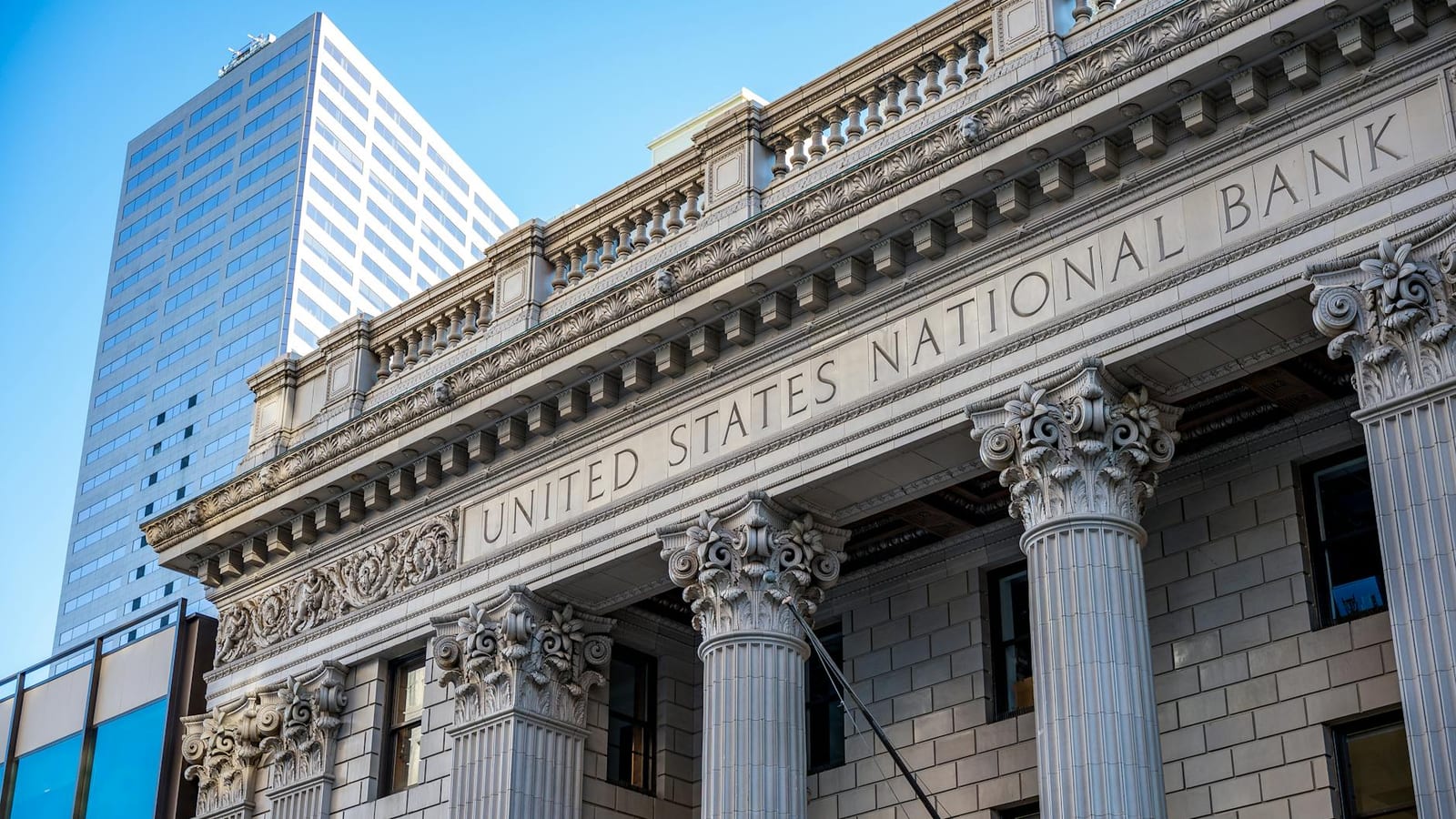
For India’s option traders, the market day is about to get ten minutes longer. From August 3, 2026, the National Stock Exchange will keep equity futures and options trading open till 3:40 pm.
That sounds like a tiny change. In markets, ten minutes near closing time can carry real money.
This is the part of the day when large funds square positions, brokers chase margins, and retail traders decide whether to sleep with risk overnight. A small timing shift can change how the final price gets formed.
NSE stretches the closing bell
The NSE has told members that the normal closing time for equity derivatives will move from 3:30 pm to 3:40 pm. The deadline for trade changes will stay at 4:15 pm.
The morning routine will not change. Pre-open timings, the opening process, and the start of derivatives trading will remain as they are.
The reason sits in the cash market. NSE is bringing in a new closing auction session for shares. This session will run from 3:15 pm to 3:35 pm.
That auction will help decide the official closing price of stocks. Since futures and options take their cues from these stock prices, derivatives traders need time to react.
So the exchange has added a short buffer. Traders can hedge, exit, or adjust positions after the cash market auction throws up clearer closing prices.
Why ten minutes matters
To a casual investor, 3:30 pm already feels like the end of the day. To a derivatives desk, it is often the most sensitive part.
A stock can move sharply in the final minutes. That move can affect options premiums, futures prices, and margin calls.
Imagine a retail trader holding a Nifty option near expiry. If the underlying stock basket moves in the closing auction, that trader needs a few minutes to respond.
For a large institution, the stakes are bigger. A mutual fund, broker, or proprietary trading desk may need to rebalance thousands of crores.
The new timing gives them a cleaner link between the cash market’s final price and the derivatives market’s last trades. That may reduce messy price gaps at the end.
It will not remove volatility. Markets never give that gift. But it can make closing prices less jumpy and less confusing.
Settlement window also shifts
The NSE has also changed the timing used for settlement price calculations in derivatives. The duration stays at 30 minutes.
The calculation window will now run from 3:10 pm to 3:40 pm. Earlier, it ran from 3:00 pm to 3:30 pm.
This matters because settlement prices decide profit and loss for many contracts. A few points can mean a meaningful difference.
For someone trading one or two lots, the impact may look small. For brokers and institutions, those few points can add up fast.
The exchange will also send automated alerts through NEAT trading terminals when the closing auction begins. NEAT is NSE’s trading terminal system for members.
Those alerts will tell brokers that price bands for stock futures are being recalculated. Orders outside the new limits may get cancelled under exchange rules.
That is a clear signal to brokerages. Their systems need to handle the change cleanly before August 3.
Brokers face a systems test
This is not just a clock change on a screen. Brokers must update trading platforms, risk systems, contract files, and client alerts.
A delay or mismatch can confuse traders at the worst possible time. Closing minutes are already noisy, especially on expiry days.
Retail traders will need to pay attention too. Many use mobile apps and place market orders near closing.
A trader who assumes derivatives shut at 3:30 pm may miss the last ten minutes. Another may overtrade because the window feels extended.
Both risks are real. More time does not always mean better decisions.
For discount brokers, the change could bring more order flow near close. For full-service brokers, it may increase client calls during a packed window.
The bigger point is discipline. If the closing auction improves price discovery, investors may get fairer closing prices. But poor execution can still hurt.
BSE pushes IT derivatives
The BSE has also widened the derivatives menu. It has launched futures and options on the BSE Focused IT Index.
The exchange said the index tracks 14 major Indian technology companies. It gives traders a focused way to bet on, or hedge, India’s IT sector.
The timing is interesting. Indian IT stocks often react to the US economy, the rupee, global tech spending, and visa worries.
A weaker rupee can help export-heavy IT firms. A slowdown in American corporate spending can hurt them.
So an IT-specific derivative gives investors a sharper tool. They need not trade the whole market when they only want IT exposure.
The first day saw participation from 172 trading members. Trading volume stood at Rs 148 crore.
That is not huge by index derivatives standards. But it shows there is interest in more sector-specific products.
BSE said IT companies make up about 6 percent of the total market capitalisation on its platform. More than 250 listed companies belong to the wider sector.
The exchange also said IT stocks account for about 6 percent of foreign portfolio investment in Indian equities. That foreign money can move quickly when global cues change.
There are already 17 passive funds in India tracking IT-focused indices. Passive funds simply copy an index instead of picking stocks actively.
That makes the new contracts useful for funds too. They can manage risk without selling underlying shares in a hurry.
The BSE Focused IT Index contracts will settle in cash. They will be available in three monthly contracts at any time.
The expiry will fall on the last Thursday of each month. That follows the usual pattern for many index derivative contracts.
For ordinary investors, the message is simple. India’s markets are becoming more precise, but also more complex. The extra ten minutes on NSE and the new IT contracts on BSE give traders better tools, not automatic safety. Used carefully, they can reduce risk. Used casually, they can make the last few minutes of the trading day even more expensive.