Oil Relief Lifts Sensex As West Asia Tensions Ease
Oil prices fell and the rupee strengthened, helping Sensex and Nifty rebound as investors bet West Asia tensions may not disrupt energy flows.
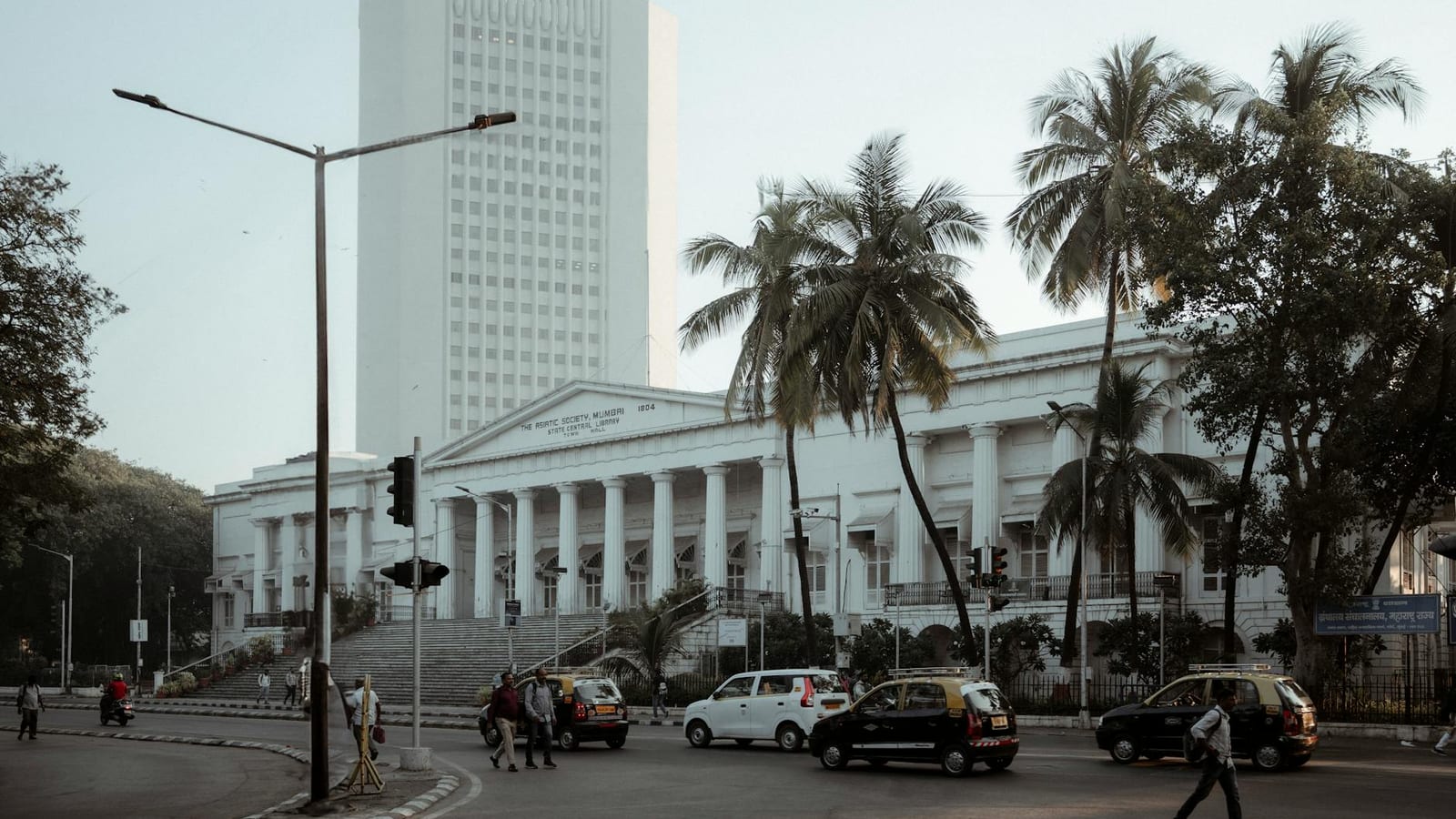
A five percent fall in crude can change the mood in Mumbai very quickly.
On Monday, investors got exactly that breather. Oil cooled, the rupee strengthened, and stocks raced higher as traders bet that tensions in West Asia may not choke global energy flows.
For anyone holding mutual funds, this was not just screen colour turning green. The Bombay Stock Exchange’s Sensex jumped 1.42 percent, adding real value to portfolios after weeks of nervous trade.
Oil relief lifts Indian stocks
The National Stock Exchange’s Nifty 50 climbed 1.32 percent to close at 24,031.70. The Sensex ended at 76,488.96, its strongest close since April 15.
That sounds technical, but the pocket impact is simple. A ₹5 lakh equity portfolio tracking the Sensex roughly gained ₹7,100 in one day.
The trigger came from crude oil. Brent crude fell about 5 percent to $94.5 a barrel after Donald Trump signalled progress on a possible US-Iran understanding.
Markets care because India imports most of its crude. Cheaper oil eases pressure on petrol, diesel, inflation, company margins, and the rupee.
Trump later said the US would not rush any agreement. Still, traders sensed that the worst fears around energy supply had eased for now.
Strait of Hormuz risk cools
The market’s real fear was the Strait of Hormuz, the narrow route through which huge volumes of oil move daily.
If that passage gets disrupted, crude prices usually jump fast. India then pays more dollars for oil, and the rupee comes under stress.
On Monday, the rupee gained 35 paise, which added to the comfort. A stronger rupee helps importers and reduces pressure on foreign investors.
For households, this chain matters more than it first appears. Costlier crude can feed into transport costs, food prices, and monthly budgets.
A family may not track Brent every evening. But it feels the effect when cooking oil, vegetables, school transport, or flight tickets rise.
That is why even a hint of peace in West Asia can lift Dalal Street. The logic is simple: less war risk means less oil panic.
Buying spreads beyond blue chips
The rally did not stay limited to a few large companies. The Nifty midcap index rose 0.94 percent, while the smallcap index gained 1.2 percent.
All sectoral indices closed higher except FMCG. Banks and financial stocks saw strong buying, which gave the broader market more force.
The total market value of BSE-listed companies rose by ₹5.8 trillion to ₹468 trillion. That is a large one-day wealth jump.
Foreign portfolio investors bought shares worth ₹704 crore, provisional data from the National Stock Exchange showed. Domestic institutional investors bought a much larger ₹3,717 crore.
This split tells its own story. Foreign investors are returning cautiously, while Indian funds continue to provide the market’s backbone.
In the first five months of 2026, foreign investors have still sold ₹2.27 trillion of Indian shares. That is more than their full-year selling in 2025.
Domestic institutions have bought ₹3.8 trillion in 2026 so far. Much of that money comes from Indian savers through mutual funds and insurance flows.
So when foreign money gets nervous, local money now cushions the fall. That is a big change from older market cycles.
Earnings decide the next leg
Saurabh Patwa of Quest Investment Managers said investors are now looking past near-term volatility. They want companies that can protect margins and keep growth alive.
In plain English, investors are asking three questions. Can a company raise prices? Can it control costs? Can it grow despite global trouble?
That matters because earnings have become uneven. Large companies saw slower profit growth in the March quarter due to higher costs and weaker global demand.
Midcap and smallcap companies, however, are showing stronger momentum. PL Asset Management said their profit growth is coming from better margins and operating leverage.
Operating leverage means profits rise faster once fixed costs stay stable. Think of a factory selling more units without adding much extra expense.
The report expects smallcap profit growth to stay near 25 percent in FY27. That explains why investors continue to chase smaller companies.
But this is also where caution is needed. Smallcaps can rise fast, yet they can fall just as sharply.
Retail investors often enter after the easy money has already been made. That is when discipline matters more than excitement.
Risks have not disappeared
Seshadri Sen of Emkay Global said Nifty earnings may grow 14.3 percent in FY27 and 15.8 percent in FY28. He also said few companies face major downgrades.
Nearly 44 percent of a 500-stock universe may deliver more than 25 percent profit growth in FY27, he added.
That is a healthy setup, but markets rarely move in a straight line. The next few months still carry several risks.
Sachin Gupta of Choice Broking pointed to expensive crude and rupee weakness as concerns. He also flagged monsoon uncertainty, food inflation, and slower earnings growth.
The monsoon point is not academic. A weak or uneven monsoon can raise food prices and hurt rural demand.
If food inflation rises, the Reserve Bank of India gets less room to cut rates. That affects home loans, car loans, and business borrowing.
For young professionals with EMIs, this matters directly. A softer rate cycle can free up monthly cash. A delayed one keeps budgets tight.
The technical picture also improved on Monday. The Nifty crossed its 20-day simple moving average and closed above it.
That level is a short-term trend marker. Traders often see it as a sign that buying strength has returned.
Still, one day does not settle a market. Oil, the rupee, earnings, and foreign flows will decide whether this rally lasts.
For ordinary investors, Monday’s message was clear but not final. Peace hopes can lift markets, but portfolios still need patience. The smartest move now is not to chase every green candle, but to check whether the companies you own can survive a rougher world and still grow.