Oil Slips as US-Iran Truce Hopes Lift Global Stocks
Crude fell nearly 2% as hopes of a longer US-Iran truce eased supply fears, lifting global equities and giving India inflation relief.
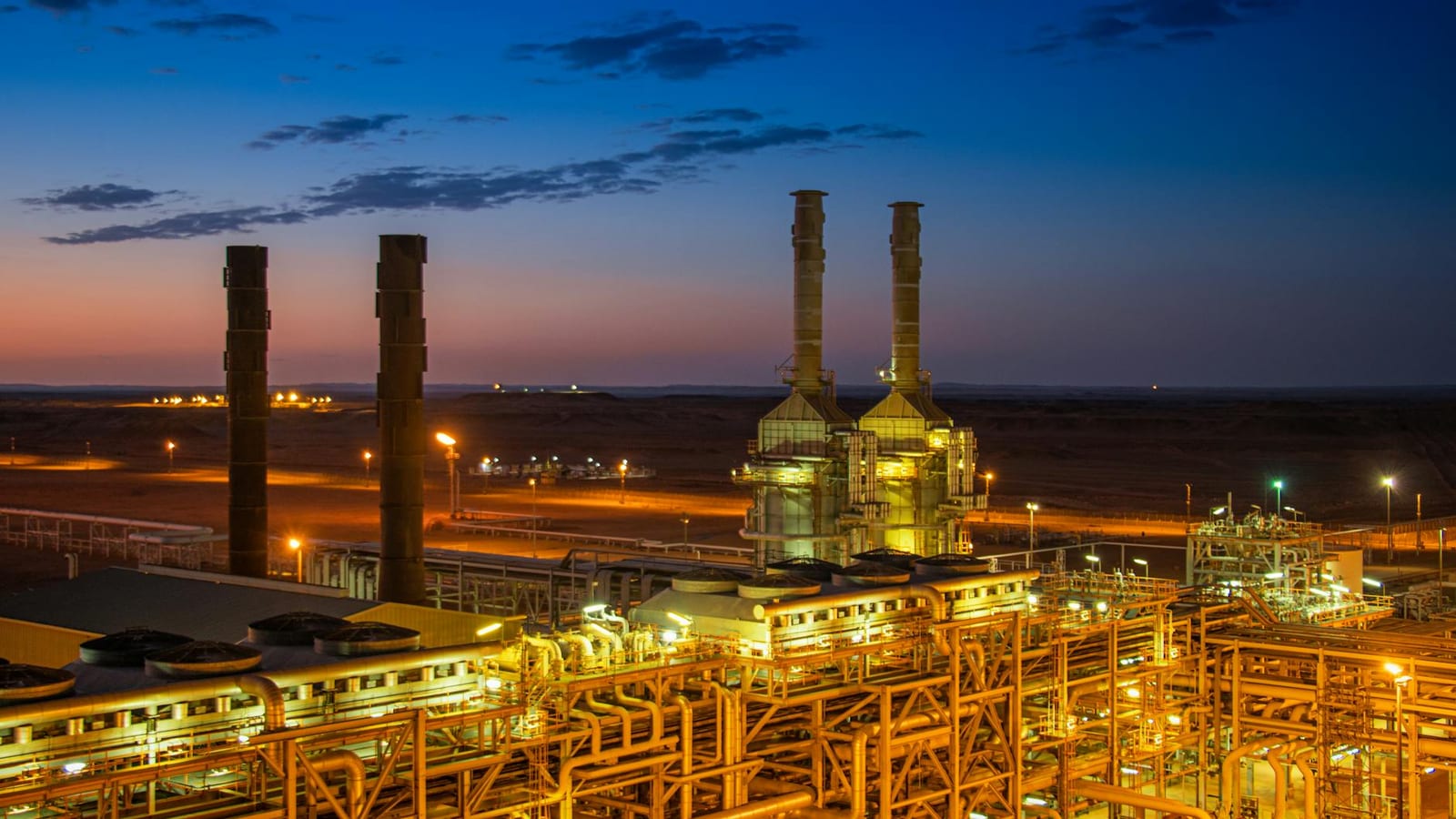
Oil traders got the memo before ordinary motorists did. A possible extension of the US-Iran truce pushed crude lower on Friday, and global stock markets breathed easier.
For Indian households, this is not some distant Wall Street mood swing. Cheaper crude can soften fuel pressure, help airlines, cool inflation, and give the rupee a little room.
Wall Street rose modestly, global shares touched a fresh high, and oil slipped nearly 2 percent. The market was really trading one question: will the Strait of Hormuz stay open?
Oil relief lifts global markets
The S&P 500 rose 0.26 percent to 7,583.61 on Friday. The Dow Jones Industrial Average gained 0.71 percent to 51,027.94, while the Nasdaq Composite added 0.23 percent to 26,978.21.
That sounds like a neat market day, but the story was bigger. The S&P 500 headed for its ninth straight weekly gain, its longest such run since December 2023.
MSCI’s global stock gauge climbed 0.53 percent to 1,130.64. European shares also ended slightly higher, while emerging market stocks jumped 1.56 percent.
The rally was not broad and wild. It was narrow, led largely by technology stocks, and it faded from the day’s highs near closing.
That matters. Investors liked the truce talk, but they had not fully trusted it yet.
For an Indian retail investor with a ₹5 lakh global or tech-heavy portfolio, a 0.5 percent move means roughly ₹2,500 on paper. Not life-changing, but enough to show how fast geopolitics enters a demat account.
Hormuz remains the key risk
The Strait of Hormuz is a narrow sea route near Iran. A large share of the world’s oil moves through it.
When shipping gets disrupted there, crude prices jump quickly. When talks suggest the route may stay open, crude cools just as quickly.
People familiar with the talks said the United States and Iran had agreed to extend a ceasefire and lift shipping curbs. But the deal still awaited approval from US President Donald Trump, and Iranian state media said it was not final.
That last part is why markets did not go into full celebration mode. Traders have seen many “almost done” diplomatic deals wobble at the last minute.
US crude fell 1.73 percent to $87.36 a barrel. Brent crude, the global benchmark India watches closely, dropped 1.77 percent to $92.05 a barrel.
For India, every dollar matters. India imports most of its crude oil, so lower prices reduce pressure on refiners, fuel sellers, airlines, paint companies, and logistics firms.
A sustained fall also helps the government. It can ease the fuel subsidy burden and reduce pressure to cut taxes at the pump.
But one day’s fall does not mean petrol and diesel prices will drop tomorrow morning. Retail fuel prices depend on taxes, refining margins, currency moves, and political timing.
Fed worries have not vanished
The conflict has already pushed up inflation fears. Oil is a basic input for transport, plastics, chemicals, power, and food distribution.
If oil stays expensive for long, price rises stop looking temporary. That is what central banks fear most.
The Federal Reserve now faces a tricky call. Some officials have discussed the risk of raising interest rates if inflation hardens again.
Market participants have been assigning roughly even odds to a rate increase later this year, investment strategist Ross Mayfield said. He added that the Fed would need strong evidence before acting.
That is a useful warning for India too. Higher US rates usually pull money toward dollar assets. Foreign investors then become more selective in emerging markets.
When that happens, Indian stocks can face selling pressure. The rupee can weaken. Imported goods, foreign education bills, and overseas travel can become costlier.
US Treasury yields fell for the fourth session. The 10-year yield eased to 4.437 percent, while the two-year yield slipped to 4 percent.
The two-year yield matters because it tracks interest rate expectations closely. When it falls, traders often believe the Fed may stay patient.
For India’s own market, that patience matters. If US rates stay steady, foreign investors have fewer reasons to rush out of Indian equities and bonds.
Rupee, gold and portfolios watch oil
The dollar index slipped 0.11 percent to 98.89 and headed for a small weekly loss. The euro gained slightly, while the dollar was almost flat against the yen.
A softer dollar usually helps emerging markets. It can support the rupee and make dollar-priced commodities slightly less painful.
Gold rose 1.51 percent to $4,559.94 an ounce, even as it remained on track for a monthly decline. That mix looks odd at first glance.
Usually, peace hopes reduce gold demand. But markets can buy gold when uncertainty remains high and rates look less threatening.
Indian gold buyers know this pain well. Weddings, savings, and small jewellery purchases all become harder when global gold prices stay elevated.
For investors, Friday’s signal was simple. Equities liked the possibility of peace. Oil liked it even more. Gold stayed useful because the deal was not sealed.
That is the market’s chai-shop wisdom in one line: hope is good, confirmation is better.
The next few days will matter more than Friday’s closing numbers. If the truce holds and Hormuz shipping normalises, oil could cool further and give inflation a break.
If talks fail, crude may jump again, and the relief rally could disappear quickly.
For ordinary Indians, this story will show up quietly. It may appear in airline fares, company margins, mutual fund returns, the rupee, and eventually household budgets.
Global markets often look distant from a kirana bill or a home loan EMI. But when oil, the dollar, and interest rates move together, that distance shrinks fast.