Petrol Diesel May Get Costlier As OMC Losses Mount
Fuel prices have risen about Rs 5 per litre in May, with oil companies possibly needing another Rs 10 increase to cut losses.
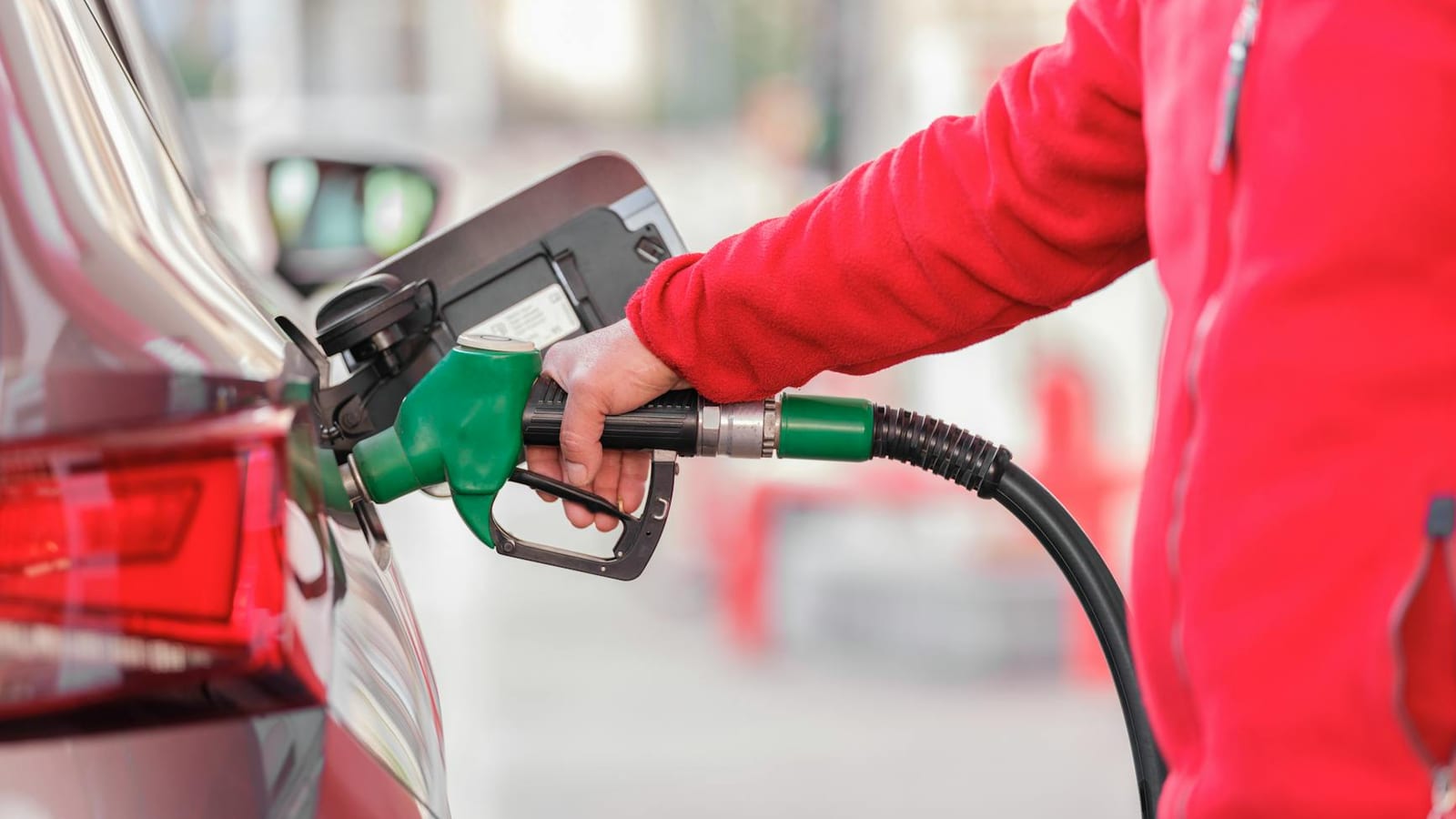
A five-rupee fuel shock in one month does not stay at the petrol pump. It travels home in bus fares, delivery bills, vegetable prices, school van fees, and every small business that runs on movement.
Petrol and diesel prices have already risen three times in May. The bigger worry now is simple, and uncomfortable. Oil companies may still need another increase of up to ₹10 per litre to reduce their losses.
For a family using 40 litres of petrol a month, a ₹10 rise means ₹400 extra. For a small transporter, it can eat into the margin on every trip.
May’s fuel hikes add up
Fuel prices rose first on May 15, when petrol and diesel became costlier by ₹3 per litre. Another hike followed on May 19, adding around 90 paise per litre.
On May 23, petrol rose by 87 paise and diesel by 91 paise. Together, the increases have pushed the month’s fuel price rise to roughly ₹5 per litre.
CNG prices have also moved up, which matters for cab drivers, delivery fleets, and city commuters. Many households may not track crude oil daily. But they notice when weekly travel costs start pinching.
This is why fuel inflation feels different from stock market volatility. It does not remain on a screen. It enters the monthly budget quietly, then refuses to leave.
West Asia pressure hits pumps
The immediate trigger is the flare-up in West Asia, where tension involving Israel, the United States, and Iran has shaken the oil market.
India imports most of its crude oil. That means a global price jump reaches Indian refiners quickly. When crude gets expensive, petrol and diesel become harder to keep cheap.
The reported disruption around the Hormuz Strait has added to the pressure. This narrow waterway handles a large share of global oil movement. Any threat there makes traders nervous.
Crude oil had climbed to nearly $120 a barrel before easing. It is now hovering around the $100 to $105 range. That is still an expensive zone for India.
Think of crude as the raw ingredient. If the raw material becomes costly, the final product cannot stay untouched forever. The only question is who absorbs the hit, the company, the government, or the consumer.
Oil firms count heavy losses
Public sector fuel retailers are now carrying a large burden. BPCL, Indian Oil, and Hindustan Petroleum have been selling fuel below cost.
The BPCL chairman has indicated that even after the recent hikes, companies still lose heavily on each litre. Diesel losses are estimated at ₹25 to ₹30 per litre. Petrol losses are around ₹10 to ₹14 per litre.
That tells us something important. The recent ₹5 increase has not solved the problem. It has only narrowed the gap a little.
Total losses for oil marketing companies this quarter may touch ₹57,000 crore to ₹58,000 crore. To put that plainly, this is not loose change on a balance sheet. It is a hole large enough to affect investment, borrowing, and future pricing decisions.
The Centre has cut import duties, but that has not fully covered the pressure. Companies are still estimated to be losing ₹17 to ₹18 on every litre sold.
Why another ₹10 looks possible
If companies try to recover even half their losses, another ₹10 per litre increase becomes possible. The move may not come in one sharp jump.
A staggered rise looks more likely. Smaller increases over several weeks are easier to absorb politically. They are also less shocking for consumers, though the final burden remains the same.
For diesel users, the impact will be wider. Diesel powers trucks, buses, farm equipment, and many small generators. A diesel hike can push up transport costs across the supply chain.
That is where ordinary households feel the second hit. A kirana store owner in a tier-2 city pays more to receive goods. A vegetable seller pays more for transport. The customer finally pays more at the counter.
Petrol hurts differently. It hits salaried workers, students, sales staff, and small business owners who depend on two-wheelers. A few hundred rupees extra may not sound dramatic. But it matters when food, rent, school fees, and EMIs are already fixed.
Household budgets face the squeeze
Fuel prices also shape inflation expectations. That simply means people start assuming everything will get costlier. Once that mood sets in, businesses raise prices early to protect margins.
For the Reserve Bank of India, fuel inflation is always tricky. It can cool demand if people spend less elsewhere. But it can also lift prices across many goods at once.
The government faces an equally hard choice. If it cuts taxes further, it loses revenue. If it lets prices rise fully, households feel the pain directly.
There is no painless option here. Holding prices too low hurts oil companies. Raising them too fast hurts consumers. Cutting taxes protects consumers, but strains public finances.
Retail investors should also watch this closely. Oil company shares may react to any price revision. Aviation, logistics, paints, chemicals, and consumer goods companies also feel crude price pressure in different ways.
The market often looks at fuel hikes as a balance sheet issue. For families, it is a kitchen-table issue. That gap matters.
The next few weeks will show whether prices rise slowly or sharply. For ordinary Indians, the real story is not just petrol crossing another round number. It is whether monthly budgets can absorb one more silent leak.