RBI Weighs Polymer Banknotes To Cut Currency Costs
RBI is revisiting polymer banknotes as cash in circulation hits a record high and printing costs rise, with longer-lasting notes seen as cheaper.
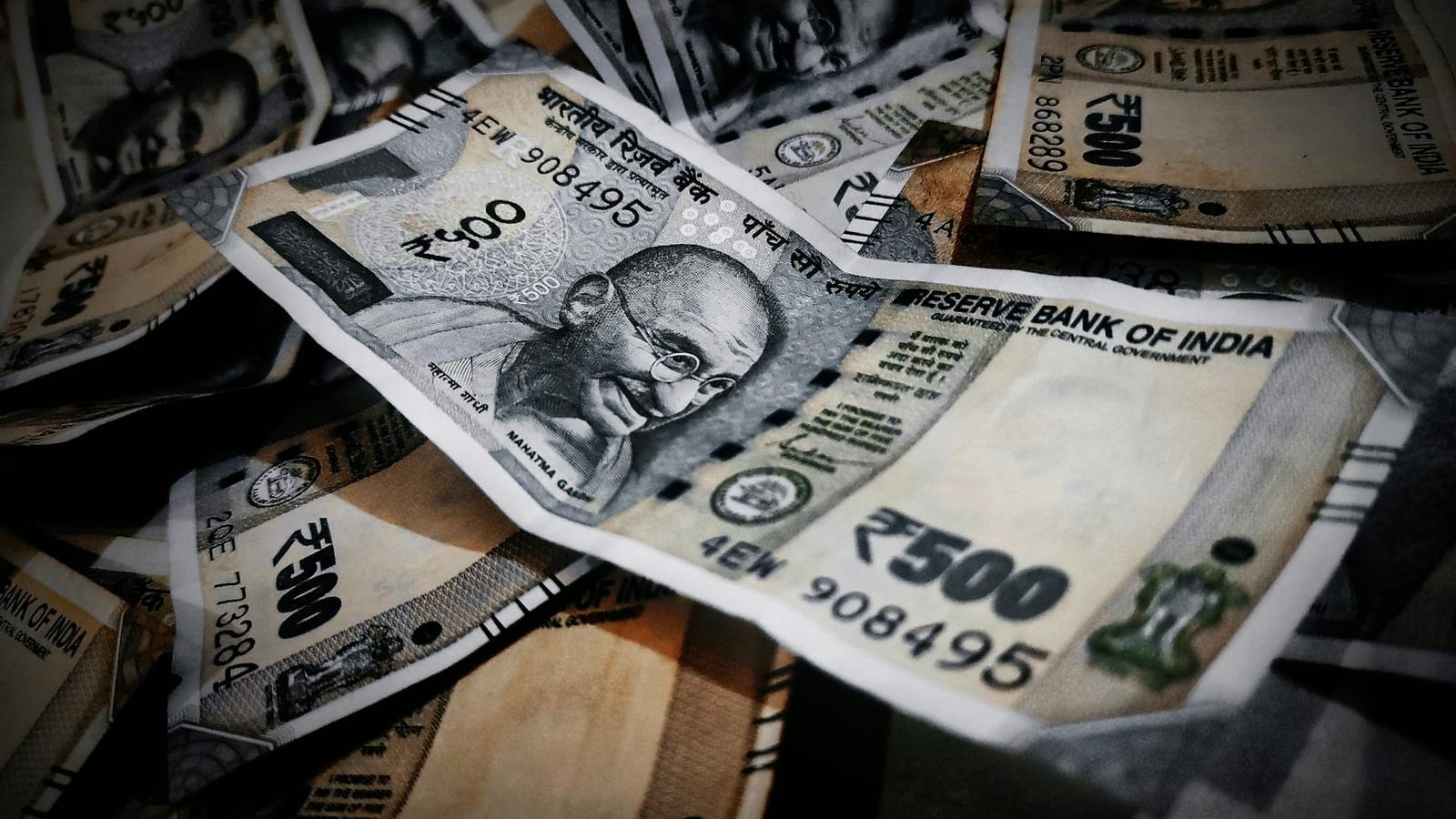
The ₹500 note in your wallet may look ordinary, but it is now at the centre of a very expensive problem.
India is using more cash than ever, even after UPI made phone payments feel almost like muscle memory. That is the odd twist. Digital payments have exploded, yet currency in circulation has climbed to a record ₹42.86 lakh crore as of May 15.
That is why the RBI is again looking at plastic currency, or polymer notes. The idea is simple. Make notes that last longer, tear less, resist dirt better, and cost less over time.
Why plastic notes are back
The Reserve Bank of India has revived an old plan to introduce polymer banknotes. These are not “plastic money” like debit cards. They are currency notes made from a thin polymer material instead of the cotton-based paper used now.
The central bank’s thinking is practical. If a note survives longer in the market, the RBI does not need to print replacements so often. That matters in a country where cash still moves through kirana shops, buses, markets, temples, toll booths, and wedding envelopes.
Printing costs have already risen sharply. The cost of printing banknotes went up from ₹5,101.4 crore in 2023-24 to ₹6,372.8 crore in 2024-25. That is a rise of about 25 percent in one year.
For a household, this does not show up like petrol or milk prices. But it is still public money. Every extra rupee spent printing and destroying notes is a rupee not available elsewhere.
Cash refuses to disappear
India’s cash story has always been more complicated than it looks from a metro coffee shop.
UPI may dominate daily small payments for millions of urban users. But cash remains the comfort instrument for a huge part of the economy. Many small traders still prefer it for quick settlement. Rural markets still depend on it. Older citizens often trust it more than apps.
That is why the value of currency in circulation rose 11.5 percent from a year earlier. The demand has forced the RBI to place larger printing orders. More notes printed means higher cost, more logistics, and more wear and tear later.
The most damaged notes are often high-use denominations. The ₹500 note sees heavy circulation because it sits at the centre of everyday cash transactions. The ₹100 note also changes hands frequently.
Smaller notes tell another story. People still want ₹10 and ₹20 notes, but their share in the total value of currency remains tiny. The ₹10 note accounts for only 0.7 percent of the value in circulation. The ₹20 note accounts for 0.8 percent.
The RBI has tried pushing coins, especially ₹5 and ₹20 coins. But India’s affection for notes has proved stubborn. Coins feel heavy in pockets and cash drawers. Notes feel easier, even when they wear out faster.
The cost of damaged currency
The hidden burden in India’s cash system is not just printing. It is also destruction.
In 2024-25, the RBI destroyed 2,380 crore soiled or damaged notes. A year earlier, that number stood at 2,124 crore. That means damaged-note disposal rose about 12.3 percent.
Think of the scale. These are not a few sacks of torn notes in a bank branch. This is an industrial process involving sorting, transporting, verifying, shredding, and disposal. It needs machines, staff, security, and time.
Polymer notes could reduce that churn. They usually last longer than cotton-based notes. They resist moisture better. They also make some kinds of counterfeiting harder because security features can be built into the material itself.
There is a catch, of course. Polymer notes can cost more to produce at the start. The savings come only if they remain usable much longer. For the RBI, the calculation will be about the full life of a note, not just the first printing bill.
For ordinary people, the change may feel small at first. A plastic ₹10 or ₹100 note may only seem smoother or slightly different to touch. But at scale, small improvements in durability can save serious money.
An old plan gets new legs
This is not India’s first brush with plastic currency.
In 2012, the government planned a pilot project for ₹10 polymer notes in five cities. The idea was to issue 100 crore such notes and test how they performed in Indian conditions.
That plan did not take off. Technology was one hurdle. ATMs, counting machines, sorting systems, and bank processes had to handle the new material smoothly. A currency note must work not only in theory, but in every dusty cash counter and every machine room.
A decade later, the system looks more ready. Current ATM networks are believed to be technically capable of recognising and dispensing polymer notes. That is an important shift.
The RBI cannot afford confusion at cash machines. Even a small mismatch in note detection can create queues, failed transactions, and complaints. So any rollout will need careful testing before it reaches the public in large numbers.
The central bank will also need to decide which denomination comes first. A lower-value note makes sense for testing because it circulates widely and faces more wear. But a higher-use note like ₹100 or ₹500 could deliver bigger savings if the system handles it well.
What India can learn abroad
India is not stepping into unknown territory.
Australia introduced polymer banknotes in 1988 with a 10 dollar note. Since then, several countries have moved fully or partly to polymer currency.
More than 60 countries now use such notes. Canada adopted polymer banknotes in 2011. Asian economies such as Singapore, Indonesia, Thailand, and Malaysia have also used them.
The experience abroad shows two lessons. First, people adjust quickly once the notes enter routine use. Second, the banking system must prepare properly before launch.
India’s conditions are tougher than many smaller economies. Notes here pass through countless hands, climates, machines, and cash-heavy businesses. A note may travel from a bank branch to a mandi, then to a bus conductor, then to a roadside food stall, all in one day.
That is exactly why durability matters. But it also means India’s testing must be stricter than a neat laboratory trial.
The United States, interestingly, still uses cotton-linen notes for the dollar. So polymer is not a universal answer. It is a policy choice based on cost, usage, climate, counterfeiting risk, and public habit.
For India, the strongest argument is not glamour. Nobody should sell plastic currency as some shiny reform. The real case is boring and powerful: less wastage, fewer damaged notes, lower replacement pressure, and a cleaner cash cycle.
The bigger message is that cash is not going away just because phones can pay. India will live with both systems for years. UPI will grow, but cash will still matter to workers, small traders, older citizens, and families that like to keep money in hand. If the next note in that hand lasts longer and costs less to maintain, that is a quiet reform worth watching.