RBI Weighs Polymer Notes As Cash Use Hits New High
RBI is revisiting polymer banknotes as cash in circulation reaches Rs 42.86 lakh crore and annual note printing costs climb sharply.
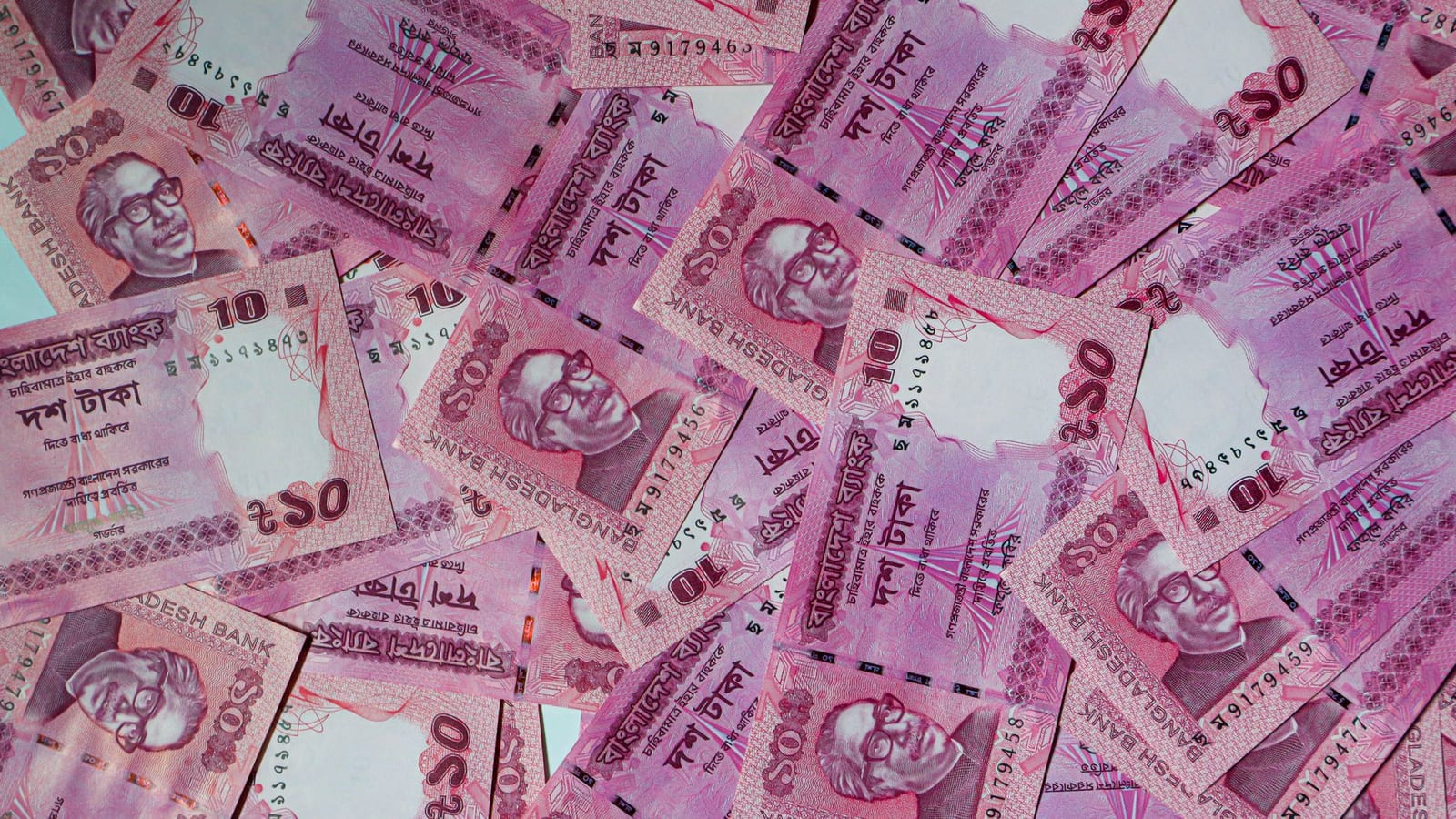
A torn ₹500 note can still start an argument at a tea stall. Nobody wants to accept it, nobody knows where it will finally go, and everyone blames the bank.
That small daily nuisance sits inside a much larger problem. The RBI is again looking at polymer currency, the plastic-style banknotes that last longer than paper notes.
The timing is not accidental. Even with UPI everywhere, cash in circulation has touched a record ₹42.86 lakh crore as of May 15, up 11.5 percent from a year earlier.
Why plastic notes are back
India has not fallen out of love with cash. Digital payments have grown fast, but cash still rules small purchases, informal work, rural markets, and emergency spending.
For the central bank, that means one clear headache. More cash means more printing, more sorting, and more damaged notes to destroy.
Banknote printing costs rose from ₹5,101.4 crore in 2023-24 to ₹6,372.8 crore in 2024-25. That is a 24.9 percent jump in one year.
Put simply, the country spent over ₹1,270 crore more just on printing notes. That is real money, even for a system as large as India’s.
The RBI’s thinking is straightforward. If a note lasts longer, the system prints fewer replacements. Banks also handle fewer spoiled notes.
The cost of worn-out cash
The bigger story is not just printing. It is the quiet, boring, expensive work of keeping cash usable.
In 2024-25, the RBI destroyed 2,380 crore soiled notes. A year earlier, that number stood at 2,124 crore. That is a 12.3 percent rise.
The worst hit denominations are familiar to every Indian wallet. ₹500 notes see heavy use because they carry large value and move fast.
₹100 notes come next, because they remain the everyday bridge between small and medium spending. They pass through bus counters, shops, markets, and cash tills.
Small notes also matter, especially ₹10 and ₹20. Demand stays high, but their share in total cash value remains tiny.
₹10 notes form only 0.7 percent of currency value in circulation. ₹20 notes account for just 0.8 percent.
That tells us something important. Indians need small notes for daily life, but the system earns little efficiency from printing them.
The RBI has tried pushing coins, including ₹5 and ₹20 coins. The public has not taken to them in the same way.
Ask any shopkeeper, and the answer is usually practical. Coins are heavy, harder to store, and awkward for quick payments.
The 2012 plan returns
This is not India’s first brush with plastic currency. In 2012, the UPA government planned a pilot for ₹10 polymer notes in five cities.
The proposal involved 100 crore notes. The idea was to test whether plastic notes could survive Indian conditions better.
That plan never really took off. Technical challenges, especially around machines and handling, slowed the experiment.
A decade later, the ground looks different. ATM technology has improved, and officials now believe existing machines can identify and dispense polymer notes.
That matters because India cannot change cash by wish alone. ATMs, cash vans, bank counters, sorting machines, and vending systems all need to cope.
If even one part of that chain struggles, ordinary people feel it first. Queues grow, cash gets rejected, and shopkeepers become cautious.
The RBI appears to be looking at the issue through this practical lens. The plan is not about making currency look modern. It is about making cash cheaper to maintain.
Polymer notes are harder to tear. They resist dirt better. They also last longer in rough circulation.
That matters in India, where notes travel through heat, sweat, rain, crowded wallets, metal cash boxes, and festival-season rushes.
What other countries learned
India will not be experimenting in isolation. More than 60 countries already use polymer banknotes in some form.
Australia started early, issuing a polymer 10 dollar note in 1988. It later moved fully toward polymer currency.
Several Asian economies, including Singapore, Indonesia, Thailand, and Malaysia, also use such notes. Canada adopted polymer notes in 2011.
Romania became the first European country to use plastic notes in 1998. The United States still uses a cotton-linen mix for dollar bills.
The global lesson is not that plastic notes are perfect. It is that they can work when the system prepares well.
Polymer notes cost more to make at the start. But they can make sense if they survive much longer than paper notes.
For India, the calculation will depend on scale. A small pilot may not prove much. A large rollout needs discipline and public trust.
There is also a communication challenge. People must understand that “plastic currency” does not mean a toy-like note.
It means a polymer-based banknote designed for circulation. It still carries legal value like any other RBI-issued note.
The central bank will also need to address concerns about recycling and disposal. Longer life helps, but end-of-life handling still matters.
India’s cash story has always had two sides. We celebrate instant QR payments, yet millions still count notes at the end of each day.
That is why this plan deserves attention. It is not a flashy reform. It is a plumbing reform.
If polymer notes work, most people may not notice the change after a few weeks. They will simply see fewer torn notes, fewer rejected notes, and fewer awkward arguments at the counter.
For ordinary Indians, that is the real test. A currency reform succeeds when it makes daily life smoother, not when it sounds clever in policy files.