RBI Weighs Polymer Notes as Cash Use Keeps Rising
RBI is revisiting polymer currency as cash in circulation rises and banknote printing costs climb, with longer note life a key argument.
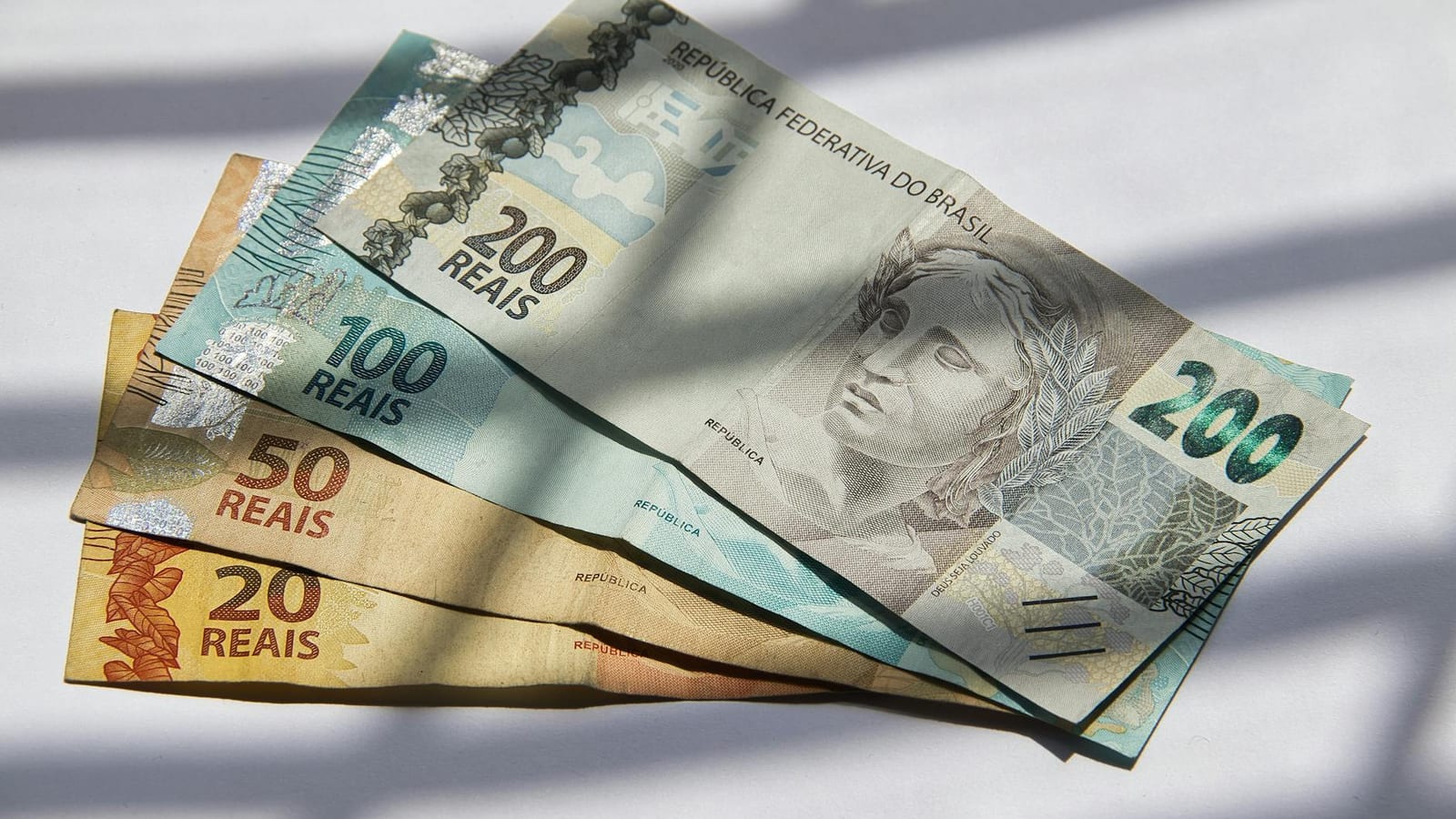
Cash may feel old-fashioned, but India is still using more of it than ever.
The Reserve Bank of India is again looking at plastic currency, years after the idea first came up and then faded. The reason is simple. Paper notes wear out fast, printing costs are rising, and Indians still love holding cash.
Digital payments have exploded, yes. UPI has changed daily life. But cash has not gone away. By May 15, currency in circulation had touched ₹42.86 lakh crore, up 11.5 percent from a year earlier.
Why plastic notes are back
The RBI believes polymer notes can last longer than the cotton-based notes Indians use today. Polymer is a flexible plastic material. It does not tear as easily, handles moisture better, and stays cleaner for longer.
That matters in India. Notes pass through tea stalls, buses, temples, shops, weddings, markets, toll booths, and millions of hands. A ₹100 note in India has a harder life than most financial assets.
The central bank is also looking at costs. Banknote printing cost rose from ₹5,101.4 crore in 2023-24 to ₹6,372.8 crore in 2024-25. That is a jump of about 24.9 percent in one year.
For a household, this may sound distant. But public money pays for printing, moving, checking, replacing, and destroying notes. When the cash machine gets more expensive, the system eventually pays.
The hidden cost of dirty notes
Most people notice bad notes only when a shopkeeper rejects one. The RBI sees the problem at national scale.
In 2024-25, the central bank destroyed 2,380 crore soiled banknotes. A year earlier, it had destroyed 2,124 crore notes. That means the number rose by 12.3 percent.
The ₹500 note made up the largest share of damaged notes. The ₹100 note followed. That is not surprising, because both remain workhorse denominations in daily trade.
Low-value notes have a different problem. People still want ₹10 and ₹20 notes, even though coins are available. The RBI tried to push more ₹5 and ₹20 coins into circulation, but Indians did not fully switch.
This is where plastic currency starts making sense. If one note survives longer, the RBI prints fewer replacements. Banks handle fewer torn notes. Shopkeepers face fewer arguments at the counter.
ATMs may not be the hurdle
One reason the old plastic currency plan stalled was technology. In 2012, the UPA government had planned a pilot for ₹10 polymer notes in five cities. The plan involved 100 crore notes.
The aim was to test whether plastic notes could survive Indian conditions better. But technical challenges got in the way, and the plan did not move ahead.
The situation looks different now. Current ATM systems can reportedly identify and dispense polymer notes. That is a big shift, because ATMs form the backbone of cash distribution.
If machines reject new notes, the public loses patience quickly. We saw that during earlier currency transitions. Cash works only when everyone trusts the note and the machine accepts it.
Still, the RBI will need a careful rollout. Bank branches, cash vans, counting machines, vending systems, and small businesses must all adjust. A note is not just a printed object. It is part of a huge daily network.
India is late, not alone
Plastic currency is not a wild experiment. More than 60 countries already use polymer banknotes.
Australia introduced polymer notes in 1988, starting with a 10-dollar note. The move helped fight counterfeiting and improved note life. Several Asian countries later followed.
Singapore, Indonesia, Thailand, and Malaysia have used polymer notes in some form. Canada moved to polymer notes in 2011. Romania became the first European country to adopt them in 1998.
The United States has stayed with a cotton-linen blend for dollar notes. That shows there is no single global rule. Each country weighs cost, climate, public habit, and machine readiness.
India’s case is unusual because of scale. A small country can test and replace notes faster. India must deal with billions of notes across cities, villages, borders, banks, and informal markets.
What changes for ordinary users
For most people, plastic currency will not change how money feels in the wallet overnight. A ₹100 note will still buy what a ₹100 note buys. The larger question is trust and convenience.
A kirana store owner in a tier-2 city will care about simple things. Does the note slip easily into the cash drawer? Does the bank accept it? Does the customer believe it is genuine?
For workers paid partly in cash, durability matters. A note that survives sweat, rain, and repeated folding has real value. Nobody enjoys arguing over a torn note after a long day.
There may also be security gains. Polymer notes usually allow clearer windows and design features that make copying harder. The RBI will likely highlight this if it announces a formal rollout.
But plastic currency will not solve every cash problem. It will not reduce inflation. It will not make cash handling free. It will not replace the need for clean digital systems and reliable banking.
The real point is smaller, but still important. India’s cash economy is not disappearing. It is changing shape. If the RBI can make notes last longer and cost less to maintain, ordinary people may not notice the reform every day. That would actually be the best sign it worked.