RBI Weighs Polymer Notes as Cash Use Keeps Rising
RBI is revisiting polymer banknotes as cash in circulation reaches ₹42.86 lakh crore, aiming for cleaner, longer-lasting notes and lower replacement costs.
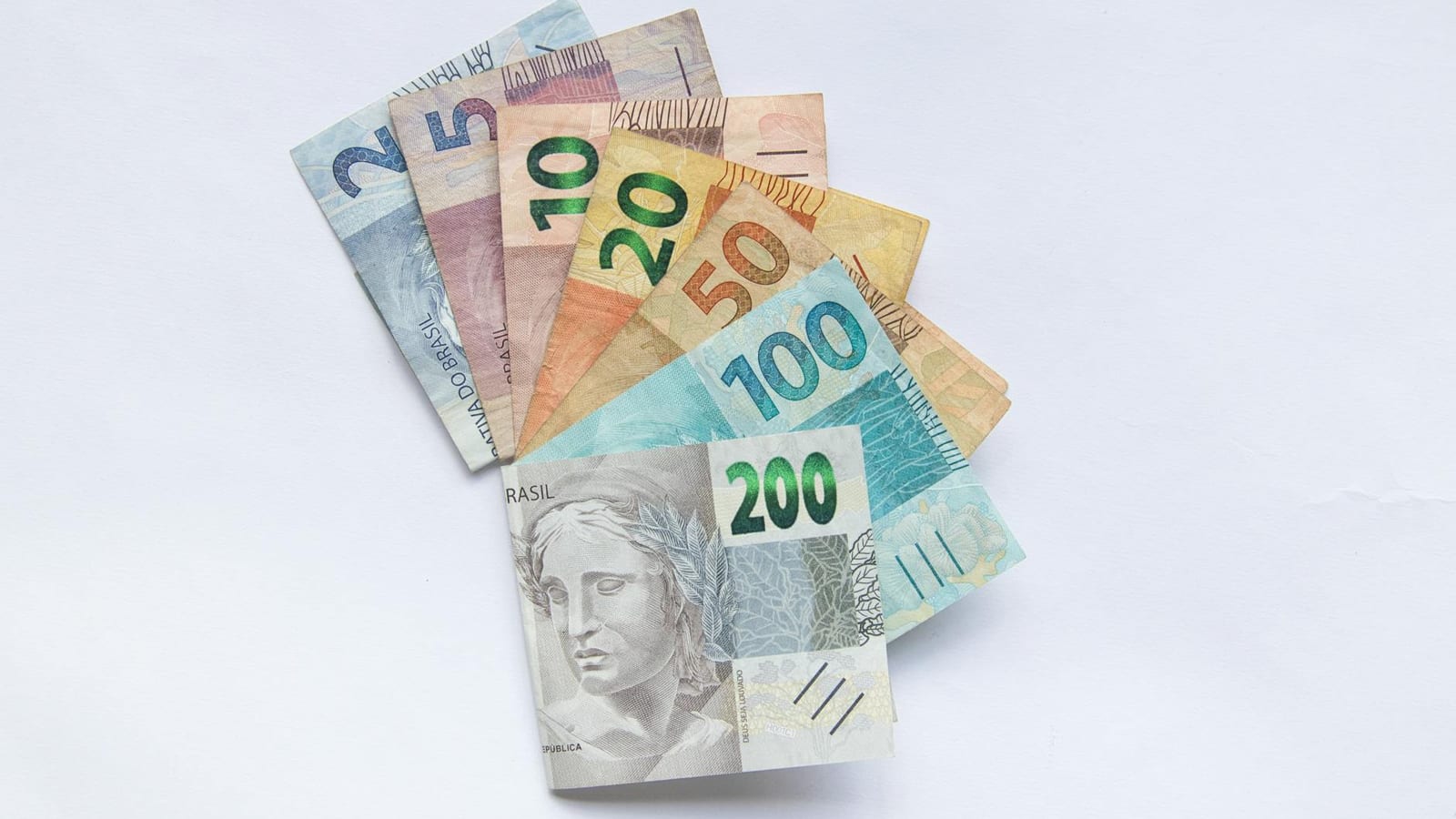
A torn ₹500 note at a shop counter can still slow down a perfectly normal morning.
The customer insists it came from an ATM. The shopkeeper refuses it. The bank may take it, but only after a queue, a form, and some patience. That tiny daily irritation sits behind a much bigger money problem now facing India’s currency system.
The Reserve Bank of India is looking again at polymer banknotes, often called plastic currency. The idea is simple. Make notes that last longer, tear less, resist dirt better, and cost less over time.
Why plastic notes are back
India has not gone cashless, despite the rise of digital payments. In fact, cash in circulation has climbed to a record ₹42.86 lakh crore by May 15. That is 11.5 percent higher than a year earlier.
So, even as people scan QR codes at tea stalls, India still runs heavily on cash. Weddings, small markets, wages, local transport, religious offerings, and emergency savings all keep notes moving.
This is where polymer notes come in. They cost more to make at first in many markets, but they usually last longer than paper-based notes. If they stay usable for more years, the central bank spends less on replacements.
For ordinary people, the benefit is less dramatic but more visible. Fewer limp, stained, taped-up notes. Fewer arguments at cash counters. Fewer trips to the bank to exchange damaged currency.
Printing costs are climbing fast
The RBI’s currency printing bill has jumped sharply. Banknote printing cost rose from ₹5,101.4 crore in 2023-24 to ₹6,372.8 crore in 2024-25. That is a rise of 24.9 percent in one financial year.
Put simply, the country spent nearly ₹1,271 crore more on printing notes in 2024-25 than in the previous year. That is public money going into keeping cash usable.
The rise came partly because the demand for banknotes increased. When more notes move through the economy, the central bank must print more and replace more.
Damaged notes add another layer of cost. In 2024-25, the RBI destroyed 2,380 crore soiled banknotes. A year earlier, it had destroyed 2,124 crore such notes. That is a 12.3 percent rise.
The most damaged notes reportedly include the ₹500 note, followed by the ₹100 note. That makes sense. These denominations see heavy daily use. They pass through ATMs, kirana shops, petrol pumps, restaurants, toll counters, and cash drawers.
Smaller notes like ₹10 and ₹20 remain popular too. Yet their share in the total value of currency remains tiny, at 0.7 percent and 0.8 percent respectively. People need them often, but they do not add much to the total value of cash in circulation.
ATMs may not be the hurdle
The last time India seriously considered plastic notes, technology was a concern. In 2012, the UPA government planned a pilot for ₹10 polymer notes across five cities. The plan involved 100 crore plastic notes.
The goal was to test durability in Indian conditions. That matters because India is a rough testing ground for cash. Notes face heat, humidity, sweat, dust, folding, stapling, and fast circulation.
The pilot did not move ahead because of technical challenges. ATMs, sorting machines, counting machines, and cash logistics systems all need to identify and handle notes reliably.
That part appears less difficult now. Current ATM systems can reportedly identify and dispense polymer banknotes. If that assessment holds, the RBI has one fewer headache.
But the shift still needs careful planning. Banks must recalibrate machines. Cash vans must handle mixed currency. Retailers must learn how the new notes feel. Counterfeit detection systems must adjust too.
A currency note is not just a piece of printed material. It is part of a giant daily machine. If one part fails, the pain reaches customers quickly.
What changes for daily cash users
For a young professional paying rent in cash, a vegetable seller handling small notes, or a small trader closing accounts at night, the material of a note may sound like a small matter. It is not.
Bad notes slow transactions. Some shopkeepers refuse them. Some customers feel cheated when they receive them as change. Banks accept many damaged notes, but that still means time and effort.
Polymer notes could reduce that friction. They are harder to tear and usually handle moisture better. That can help in places where notes move through wet markets, coastal towns, monsoon traffic, and crowded buses.
The RBI has also tried to promote coins, especially ₹5 and ₹20 coins. But Indians still prefer notes for many small payments. Coins are heavier, easy to misplace, and often inconvenient for traders handling large volumes.
This tells us something important. Digital payments may be rising, but India’s cash habits change slowly. People adopt what feels easy, trusted, and accepted everywhere.
The RBI cannot simply wish away notes. It must make cash cheaper and cleaner to manage while digital payments grow in parallel.
The global playbook is ready
India would not be entering unknown territory. More than 60 countries use polymer banknotes in some form.
Australia led the shift in 1988 with a polymer 10 dollar note. It moved early because polymer notes offered better durability and stronger security features.
Asian economies such as Singapore, Indonesia, Thailand, and Malaysia have also used polymer notes. Canada adopted polymer banknotes in 2011. Romania became the first European country to use them in 1998.
The United States, though, has stuck with cotton-linen paper for dollar bills. That shows there is no single global rule. Every country balances cost, tradition, security, machine readiness, and public comfort.
For India, the big question is scale. A small country can shift note material faster. India’s currency system is vast, messy, and deeply local. A note must work in a metro ATM and a village haat with equal ease.
The RBI will likely move slowly if it proceeds. A limited rollout makes more sense than a sudden nationwide change. Lower denominations may be easier to test because they circulate quickly and reveal problems early.
The real promise of plastic currency is not glamour. Nobody gets richer because a ₹100 note lasts longer. But the system becomes a little less wasteful, a little cleaner, and a little easier to run. For a country where cash still carries salaries, savings, and small trade, that is not a cosmetic change. It is a practical repair to a machine India uses every single day.