Rupee lift helps Sensex and Nifty finish week higher
Sensex and Nifty closed the week with modest gains as a firmer rupee helped equities, though profit booking at higher levels kept traders cautious.
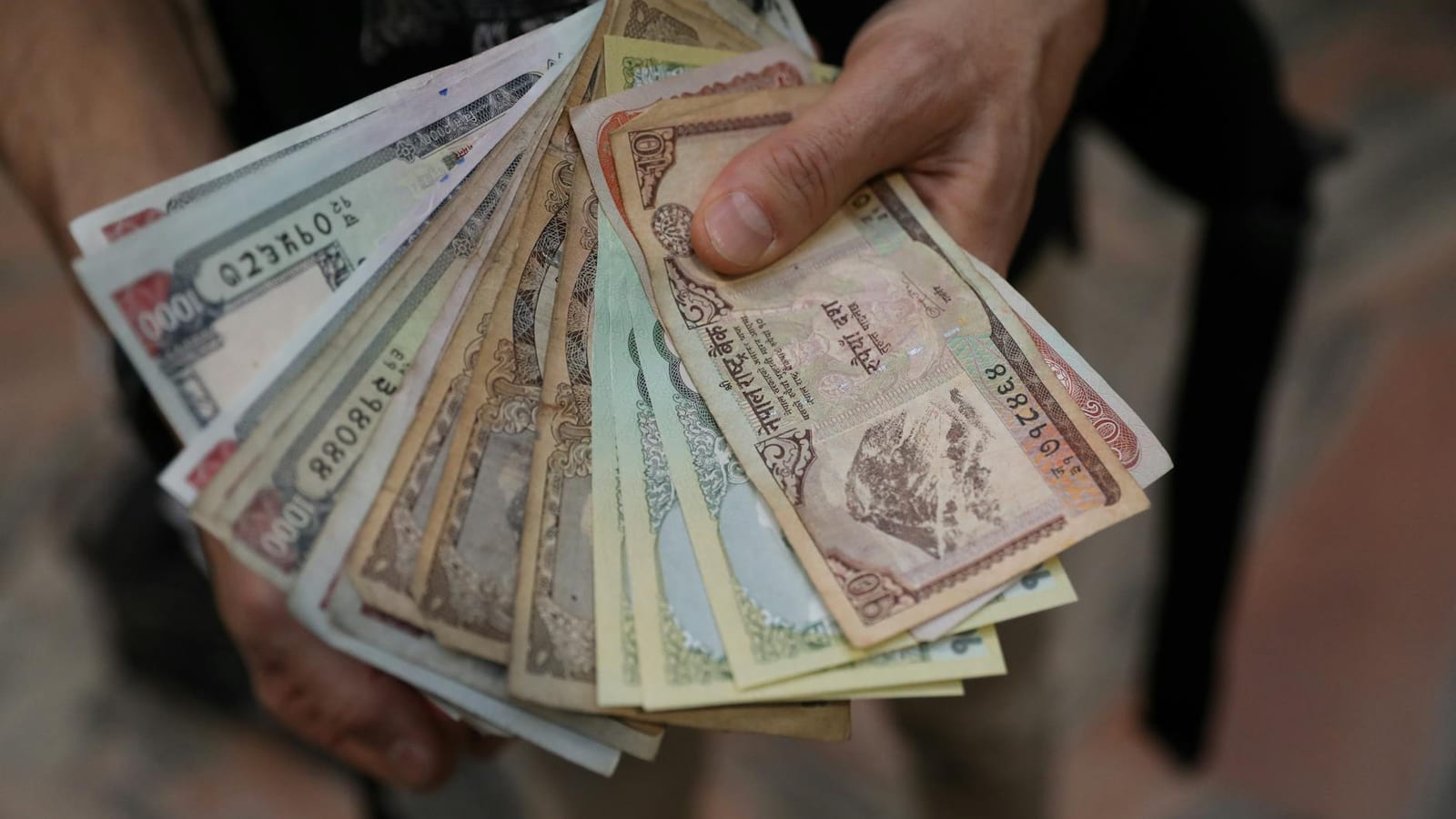
For anyone checking their mutual fund app on Friday evening, the market looked calm. Green, yes, but not exactly cheerful.
The Bombay Stock Exchange’s Sensex gained 0.24 percent for the week and closed at 75,415.35. The National Stock Exchange’s Nifty 50 rose 0.32 percent to 23,719.30.
That sounds neat on paper. But for a ₹5 lakh equity portfolio, a 0.3 percent weekly move means roughly ₹1,500. Useful, but hardly life-changing.
Markets rise, but without conviction
Indian equities ended the week higher, helped mainly by a firmer rupee. The mood, though, stayed cautious.
The Nifty again failed to hold above 23,800. Traders watch such levels because they show whether buyers have real strength.
Here, the answer was not very comforting. Every rise met selling at higher prices. That means investors booked profits quickly instead of waiting for a bigger rally.
Rajesh Iyer of LGT Wealth India said markets have moved out of the earlier comfort zone. Liquidity alone is no longer enough to lift prices.
That is the key point. For months, investors could lean on steady domestic flows and hope. Now, they must also watch crude oil, the rupee, and company profits more closely.
For retail investors, this is the awkward middle lane. The market is not collapsing. But it is also not giving a clean reason to chase stocks.
Rupee relief eases one worry
The RBI became the quiet centre of the week’s market story.
The rupee had weakened toward 97 against the dollar earlier in the week. By Friday, it recovered nearly 0.7 percent to around 95.65.
That move matters beyond currency traders. A weaker rupee makes imported goods costlier. India imports a large part of its crude oil, electronics, and industrial inputs.
So, when the rupee falls, pressure slowly travels into petrol, diesel, air fares, mobile components, and company costs. It may not hit every household instantly, but it adds strain.
RBI intervention helped calm the foreign exchange market. Analysts said this support reduced sharp swings and restored some confidence.
But this is relief, not a cure. India’s goods trade deficit widened to $28.4 billion in April, from $20.7 billion in March.
A trade deficit means India bought more goods from abroad than it sold. When that gap grows, demand for dollars can rise, which pressures the rupee.
For families planning foreign education or overseas travel, this matters directly. A weaker rupee means every dollar fee, hotel bill, and remittance costs more.
Crude and earnings cloud the picture
Brent crude oil eased to around $105 a barrel, from $109.26 the previous Friday. Some progress in US-Iran talks helped cool prices.
Still, $105 oil is not cheap for India. It keeps pressure on inflation, government finances, and company margins.
Think of a small manufacturer using imported chemicals or fuel-heavy transport. If costs rise, the owner has only three choices.
Raise prices, accept lower profit, or cut somewhere else. None of these choices feels pleasant in a slow demand environment.
This is why the market is watching corporate commentary more closely than headline profit numbers.
March quarter earnings for Nifty 50 companies have come around 2 percent above expectations so far. That is mildly positive.
Yet management teams have sounded more guarded about the June quarter. Softer demand and uncertain input costs are making them cautious.
That matters because stock prices often move on future expectations. Last quarter’s profit helps, but next quarter’s warning can hurt more.
This is especially true when valuations are not cheap. Investors want companies to prove that growth can continue without constant price increases.
IT shines as FMCG slips
The sector split told a clean story this week.
Information technology stocks rose 4 percent, making them the strongest performers. FMCG stocks fell nearly 1.5 percent and became the weakest pocket.
The IT rally had two supports. First, a weaker rupee usually helps software exporters, because they earn much of their revenue in dollars.
Second, investors returned to globally linked defensive sectors. These are businesses that may look safer when domestic demand feels uncertain.
There was also some tactical buying. IT stocks had underperformed for a while, so investors found better entry prices.
FMCG faced the opposite problem. These companies sell everyday products, from soaps to packaged foods. Usually, they look stable in volatile markets.
This time, investors worried about slowing consumption and margin pressure. Input costs remain a concern, and pricing power looks weaker.
In simple terms, companies may struggle to sell more packets. If growth comes mainly from price hikes, households eventually push back.
That is already visible in many urban and semi-urban budgets. Grocery bills have become a monthly negotiation, not a routine purchase.
For investors, the FMCG signal is important. When even daily-use companies face demand questions, the broader economy deserves closer watching.
Foreign selling slows, not reverses
Foreign portfolio investor selling eased sharply during the week. Outflows fell to ₹1,534.8 crore, the lowest weekly selling in over a month.
That sounds encouraging, but it needs context. Lower selling is not the same as strong buying.
Iyer said the market is seeing slower foreign selling, not a lasting return of foreign money. For that, investors need stable crude, a stronger rupee, and clearer earnings visibility.
Global money is still comparing India with other markets. Higher US bond yields and a strong dollar continue to pull funds toward developed economies.
India performed better than China, Vietnam, Hong Kong, and Indonesia during the week. But it lagged South Korea, Taiwan, Japan, and several European markets.
Nikhil Gangil of Intrinsic Value took a more hopeful view. He expects foreign flows to turn positive from mid-June.
His argument is that India looks fairly valued compared with many global markets. He also believes foreign investors may return if the April rally extends into June.
That is possible. Foreign investors often follow price momentum. When a market keeps rising, they do not like staying away for too long.
But the next leg will need proof. The rupee must stay calmer. Crude must not flare up. Companies must show that demand has not softened too much.
For now, domestic institutions continue to cushion sharp falls. Foreign selling still caps quick gains.
So the Indian stock market has moved from excitement to examination. Every rally will now face questions on currency, oil, earnings, and flows.
For ordinary investors, this is not a week to panic or celebrate. It is a reminder to stay boring in the best sense. Keep asset allocation sensible, avoid chasing sudden rallies, and watch the rupee as closely as the index. The market has edged up, but it has not yet found its voice.