Sebi bars social media stock tip ring over gains
Sebi has barred seven entities for alleged pump-and-dump stock tips on social media, freezing more than Rs 20 crore in suspected unlawful gains.
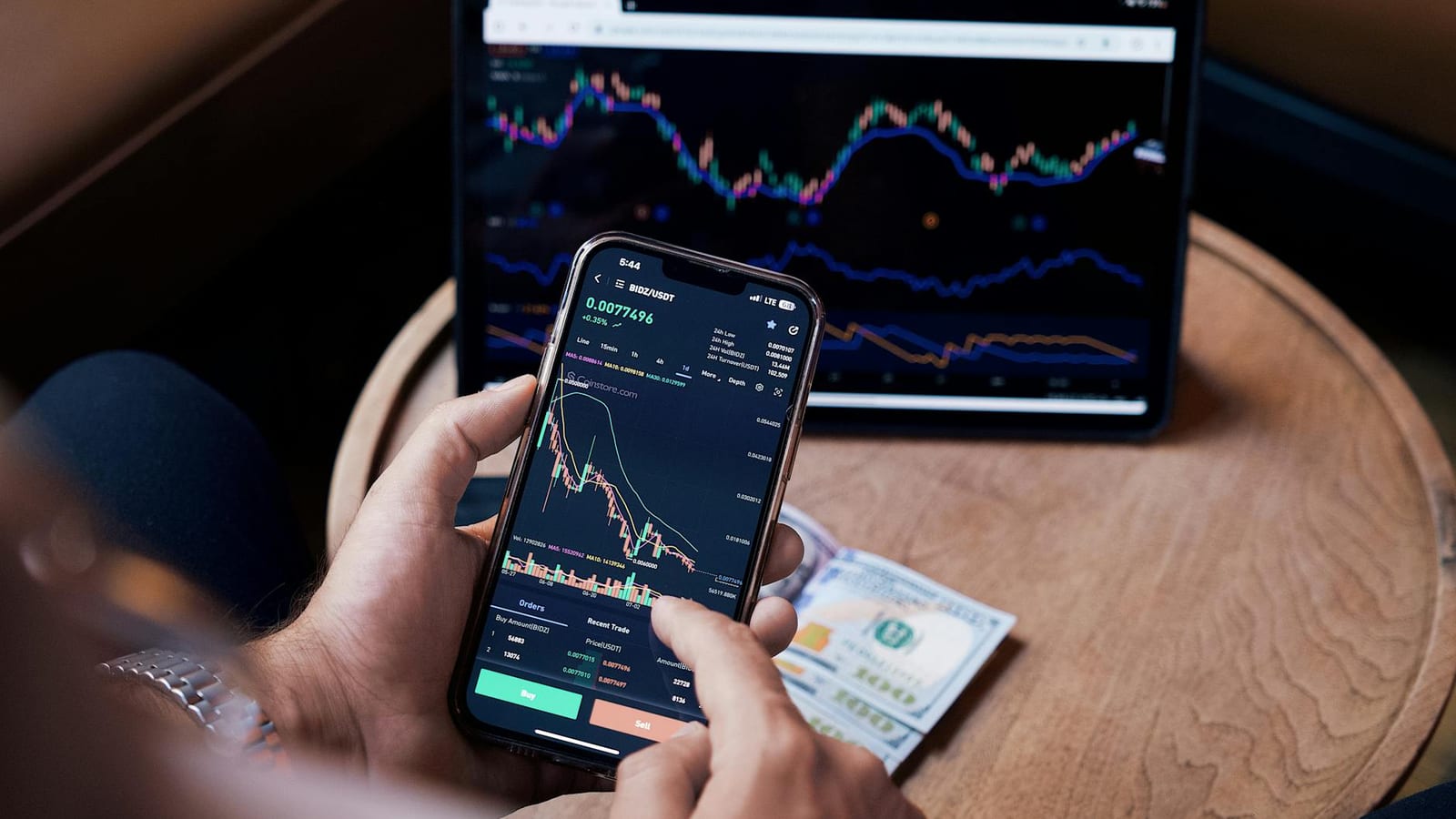
A stock tip on Telegram can feel harmless at midnight. One chart, one rocket emoji, one promise that a sleepy small-cap share is ready to fly.
That is exactly the corner of the market Sebi has now stepped into. The regulator has barred seven entities after alleging that social media stock tips helped generate more than ₹20 crore in unlawful gains.
For retail investors, this is not some distant regulatory file. It is a reminder that the most expensive advice often arrives free.
Sebi flags a social media playbook
Sebi said the operation revolved around stock recommendations posted on X, Telegram and other platforms. The regulator alleged that Hemant Kumar Gupta, Rohan Gupta and Aniket Gupta first built positions in small and micro-cap stocks through connected accounts.
After that, Sebi said, bullish posts began appearing online. These posts urged followers to buy select stocks. Once retail buying picked up, prices and trading volumes rose.
That is when, according to Sebi, the operators sold their own holdings at higher prices. The regulator said ordinary investors were left holding risk after the excitement cooled.
This is the old “pump and dump” trick in a new wrapper. Earlier, it happened through closed circles, SMS tips, or noisy dealing rooms. Now it travels through Telegram channels and market handles with thousands of followers.
₹20 crore gains frozen
The regulator has ordered the impounding of ₹20.25 crore in alleged unlawful gains. In plain English, Sebi wants that money frozen while the case moves ahead.
Sebi also barred the entities from trading in securities. It directed banks and depositories to stop debits from their accounts and holdings.
The order names Rohan Gupta as the biggest alleged beneficiary, with gains of ₹13.61 crore. Aniket Gupta allegedly made ₹1.89 crore, while Hemant Kumar Gupta allegedly earned ₹76.99 lakh.
Sebi also held Sharon Gupta, Leana Gupta and Rajani Gupta jointly liable. The regulator alleged that their accounts were used in the operation.
For a small investor, ₹20 crore is not an abstract number. If 10,000 retail investors lost an average of ₹20,000 each chasing such tips, that alone makes up ₹20 crore. That is a year’s school fees, a medical buffer, or a down payment plan gone wrong.
X and Telegram under scanner
Sebi said the alleged scheme covered 82 stocks and 537 posts on X between December 1, 2023 and January 20, 2026. That is not one stray recommendation. It points to a repeated pattern, spread over more than two years.
The regulator referred to accounts including WealthSolitaire and desiwallstreet. WealthSolitaire had about 13,600 followers in January, while desiwallstreet had around 40,500 followers.
Those numbers matter. In the market, influence does not need celebrity scale. Even a few thousand eager followers can move thinly traded small-cap shares.
Sebi said profits were calculated from trades executed within two days of posts recommending the stocks. That detail is important because timing often tells the real story. If shares are sold soon after a recommendation creates buying interest, the regulator sees a red flag.
Among the stocks where profits were allegedly booked were DB Corp, Almondz Global Securities, Aeroflex Enterprises and Sky Gold & Diamonds.
Small and micro-cap stocks are especially vulnerable here. They often have lower trading volumes. So a sudden wave of retail buying can move prices sharply, even without any real change in the business.
Why retail investors fall for it
The Indian market has changed after the pandemic. Demat accounts have surged. Trading apps have made buying shares as easy as ordering food.
That has brought millions of new investors into equities. It has also created a large audience for quick tips, chart screenshots and “operator activity” rumours.
A young professional with a ₹5 lakh portfolio may think a 20 percent move in a small-cap stock can change the year. On paper, that means ₹1 lakh in gains. But the same stock falling 30 percent means a ₹1.5 lakh hit.
The pain is worse because many tip-driven trades happen without a clear exit plan. People buy because a popular handle sounds confident. They sell only when panic arrives.
Sebi’s order also directed the accused to stop offering unregistered research analyst services. That part deserves attention. In India, anyone giving formal research advice must follow rules. They need registration, disclosures and accountability.
A Telegram admin with a fancy profile picture does not become a market expert. A viral post does not become research. And a screenshot of past gains does not prove future skill.
What investors should watch now
The case also shows how regulators are reading digital behaviour more closely. Sebi is not only looking at trades. It is matching trades with posts, dates, accounts and patterns.
The regulator said the group sharply increased sales after a search and seizure operation on January 21. Net sales by the noticees rose to ₹52.88 crore between January 25 and May 14. Sebi compared that with ₹5.84 crore in the earlier comparable period.
That jump will draw attention because it suggests urgency. When people suddenly sell much more after regulatory action, investigators usually ask why.
For investors, the lesson is simpler. If a stock tip comes with urgency, mystery, or guaranteed confidence, treat it as a warning sign.
Ask basic questions. Who is recommending the stock? Are they registered? Do they hold the same shares? Are they selling while asking others to buy? Has the company said anything that justifies the price move?
Most genuine investing looks boring from the outside. It involves earnings, cash flows, debt, management quality and valuation. Most manipulation looks exciting because excitement is the product being sold.
India’s retail investor boom is healthy only if trust survives. Sebi can freeze gains and bar traders after the fact. But the first defence still sits with the person holding the phone. The next time a “sure-shot” stock tip appears on a screen, the smartest trade may be to do nothing.