Sensex, Nifty Rally as Oil Slips on Iran Deal Hopes
Indian equities rose as Brent crude eased on hopes of progress in US-Iran talks, lifting Sensex and Nifty while oil-sensitive stocks gained.
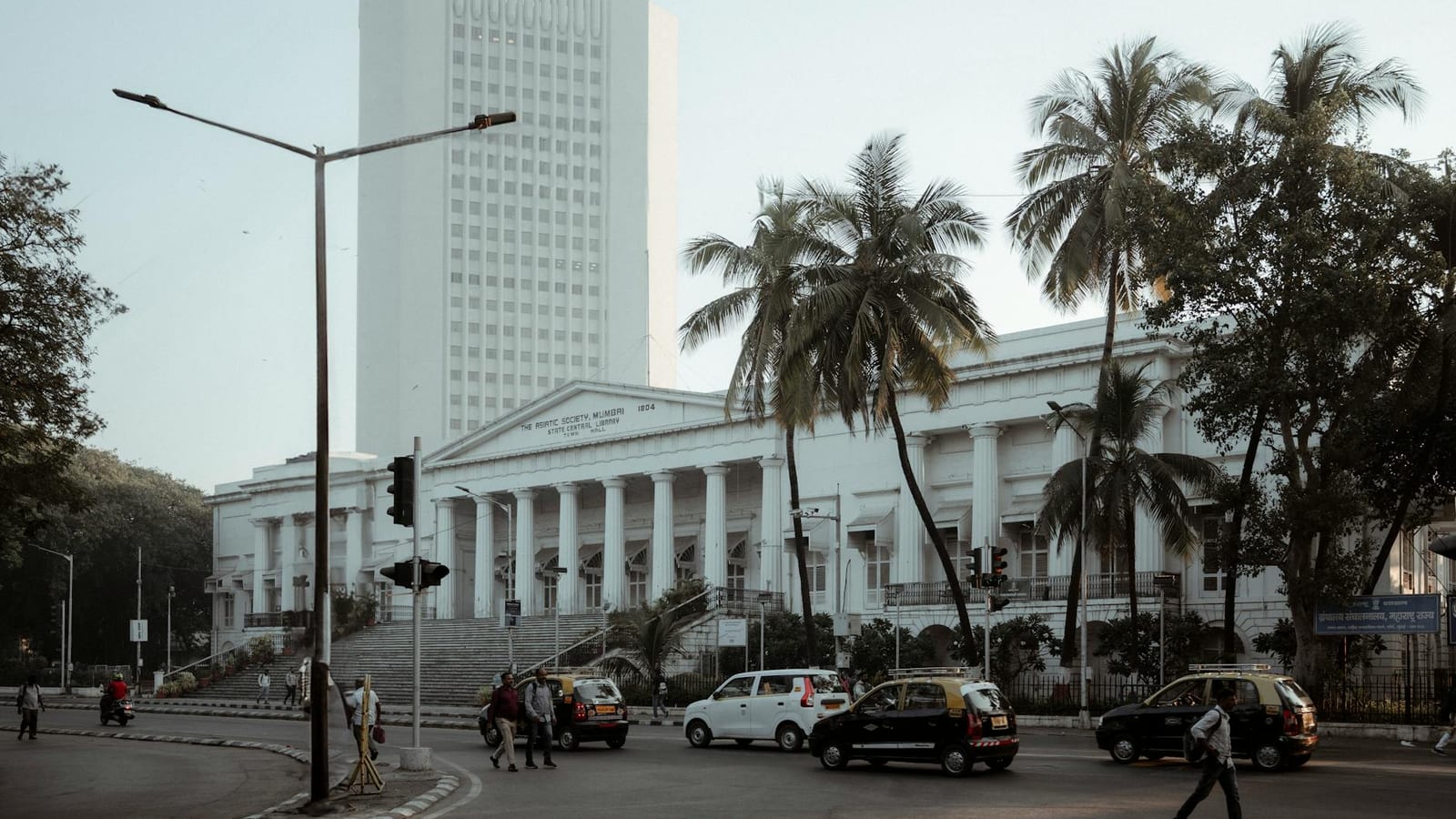
For once, Dalal Street got relief from a place far away from Mumbai, the Strait of Hormuz.
A small change in the tone between Washington and Tehran was enough to lift Indian stocks on Monday. The reason is simple. India buys most of its crude oil from abroad. When oil cools, the market breathes easier.
The Bombay Stock Exchange’s Sensex rose 1.42 percent to 76,462. The National Stock Exchange’s Nifty 50 climbed 1.4 percent to 24,050. For a retail investor with a ₹5 lakh equity portfolio tracking the market, that is roughly a ₹7,000 gain in one day.
Oil gave the market oxygen
The main trigger was crude oil. Brent crude slipped about 5 percent to nearly $98 a barrel, after hopes rose for a possible deal between the United States and Iran.
US President Donald Trump said talks on the conflict, including the reopening of the Strait of Hormuz, had moved forward. He also made clear that Washington would not lift its blockade until a formal agreement arrived.
That caveat matters. Markets often celebrate before the paperwork catches up. But traders still saw enough room for hope.
For India, cheaper oil is not just a market story. It affects petrol pumps, airline costs, paint companies, tyre makers, transport bills, and inflation. When crude rises, the pain eventually travels to households.
So Monday’s rally was not only about global diplomacy. It was about the chance that India’s import bill may stop getting worse.
PSU banks and oil stocks shine
Public sector banks led the charge. All 12 stocks in the Nifty PSU Bank index ended higher.
Union Bank of India rose 5 percent. Bank of India, Canara Bank, Punjab National Bank, UCO Bank, Bank of Baroda, and State Bank of India gained between 2.2 percent and 4.4 percent.
Bond yields also helped sentiment. India’s 10-year government bond yield hovered near 7 percent, after easing to a little over a one-week low. Lower yields often help banks, because they lift the value of older bonds sitting in their books.
Oil marketing companies also had a strong day. Hindustan Petroleum Corporation, Bharat Petroleum Corporation, and Indian Oil Corporation each rose more than 3 percent.
The logic is straightforward. When crude falls, fuel retailers face less pressure on margins. If pump prices do not move as quickly as crude, these companies can earn better spreads.
But investors should keep one eye open. Oil stocks can reverse sharply if headlines from West Asia change overnight. This is not a calm business. It moves with tankers, sanctions, shipping lanes, and political signals.
Auto and Adani stocks join rally
Auto shares also joined the market’s rise. Eicher Motors jumped 6.2 percent to ₹7,141 after its March quarter results broadly met market expectations.
Ashok Leyland gained 3.7 percent to ₹164. Ola Electric Mobility rose 5.22 percent to ₹37.88.
For auto companies, lower oil prices help in two ways. They improve consumer mood and reduce the fear of higher running costs. That matters for two-wheeler buyers, truck fleet owners, and small businesses watching diesel bills closely.
Amara Raja Energy and Mobility also saw strong buying. The stock rose 8 percent to ₹886.
HFCL was the day’s standout momentum stock. It surged another 10 percent to ₹163, touching a fresh record high. The stock has now gained around 40 percent in May, after a 71 percent rise in April.
Such moves catch everyone’s eye. They also demand discipline. When a stock rises this fast, late buyers often confuse price action with business certainty.
Four Adani Group companies also ended higher. Adani Power, Adani Enterprises, Adani Green Energy, and Adani Energy Solutions gained between 2.7 percent and 6.4 percent.
This shows Monday’s rally was broad. It was not limited to one pocket of the market. Large caps, midcaps, smallcaps, banks, energy, auto, and select infrastructure-linked names all found buyers.
The Nifty Midcap 100 rose 1 percent. The Nifty Smallcap 100 gained 1.5 percent. That is usually a sign that risk appetite has returned, at least for the day.
Gold and silver send a signal
The commodity market told a more layered story. Gold and silver also rose on Monday, even as equities rallied.
MCX gold near-month futures climbed ₹821 per 10 grams to touch ₹1,59,500. Silver futures surged ₹5,399 per kilogram to ₹2,77,245.
At first glance, that seems odd. Gold often rises when investors are nervous. Stocks rise when investors are confident.
But markets are rarely that neat. A weaker US dollar, lower crude, and shifting expectations about US interest rates all played a role.
Gold does not pay interest. So when bond yields rise, some investors prefer interest-bearing assets. When rate fears cool even a little, gold gets support.
The United States Federal Reserve remains a key risk. Its officials have signalled that inflation is still not fully beaten. If US rates stay high, global money can move toward the dollar and away from riskier assets.
For Indian households, gold is never just a chart. It is wedding planning, emergency savings, family wealth, and a comfort asset. A sharp move in gold prices changes buying decisions in jewellery stores across the country.
Silver’s jump is even more striking. It affects investors, but also industries that use it in electronics, solar panels, and other applications.
Laggards show selective caution
Even on a strong market day, not every stock joined the party.
Sarda Energy and Minerals and Shipping Corporation of India fell 3.5 percent each. Siemens dropped 4 percent, giving up some gains after four straight higher sessions.
Oil India, Timken India, Poly Medicure, Honeywell Automation India, Colgate-Palmolive India, FSN E-Commerce Ventures, Sundaram Finance, Apar Industries, and Info Edge India also fell more than 2 percent.
This is worth noting for ordinary investors. A rising index can hide weakness below the surface. Your portfolio may not move like the Sensex or Nifty if you own the wrong mix of stocks.
That is why the headline number never tells the full story. On Monday, India’s benchmarks looked cheerful. But stock-specific selling showed that investors still cared about valuations, recent rallies, and company-level concerns.
The bigger question now is whether this rally can last. If the US-Iran talks produce a real agreement and Hormuz reopens smoothly, crude could stay softer. That would help India’s inflation, trade deficit, and corporate margins.
But if talks stall, the same oil trade can turn against the market quickly.
For now, Monday gave investors a reminder of how connected their money is to events far beyond India. A peace signal in West Asia can lift a bank stock in Mumbai, support an auto company in Chennai, and change the mood of a family checking gold prices before a wedding. That is the market’s charm, and also its warning. Keep the optimism, but do not forget the risk behind it.