Sticky US inflation clouds Fed rate path for investors
Slower US growth and stubborn 3.8% inflation leave the Federal Reserve with limited room to cut rates, keeping Indian markets on alert.
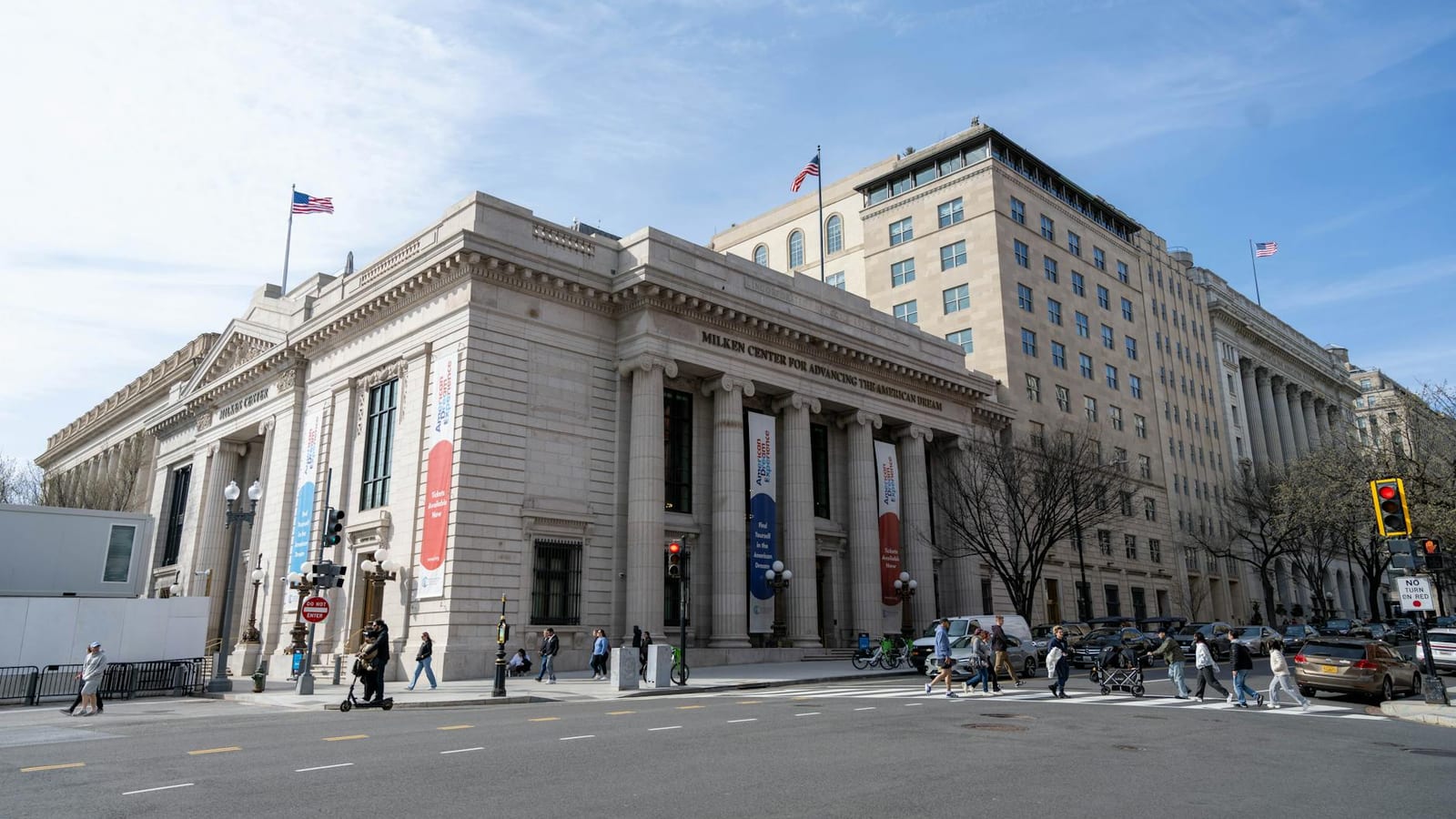
A small change in Washington can quietly move the price of your SIP, your gold, and your next foreign holiday.
That is why Indian investors should pay attention to the latest US data. America’s growth has slowed, but prices have not cooled enough. That is an awkward mix for markets.
The US Federal Reserve now faces a choice nobody enjoys. Cut rates and risk more inflation. Hold rates and risk weaker growth. Or, if prices flare again, even raise rates.
US data sends mixed signals
The US economy grew 1.6 percent in the first quarter of 2026. Earlier, the estimate stood at 2 percent. So growth is clearly losing some speed.
But inflation is moving the other way. The Fed’s preferred price gauge, called personal consumption expenditure inflation, rose 3.8 percent in April. The consumer price index also came in at 3.8 percent.
Put simply, Americans are spending in a slower economy, but prices remain too high. That is the kind of data central bankers dislike most.
The Federal Open Market Committee will meet on June 16 and 17. Fed Chair Kevin Warsh will have to weigh both risks carefully.
In April, the Fed kept rates unchanged at 3.5 percent to 3.75 percent. It was the third straight pause. Now markets are asking a sharper question. Is the next move a cut, or a hike?
Why rate cuts look harder
For most investors, weak growth usually means rate cuts. Lower rates make loans cheaper and support companies. That often helps stock markets.
But this time, inflation is spoiling that easy script. US inflation has stayed above the Fed’s 2 percent target since February 2021.
Sidharth Sogani Jain of Blue Aster Capital believes rates may stay high longer than many expect. He pointed to 3.8 percent inflation and expensive crude oil as warning signs.
Oil matters because fuel prices reach almost everything. They raise transport costs, packaging costs, and grocery bills. In India, we know this chain too well.
Namrata Mittal of SBI Mutual Fund said inflation expectations remain a risk. If people and businesses expect prices to rise, they behave differently.
Workers demand higher wages. Companies raise prices early. Consumers buy sooner. This can make inflation harder to control.
Still, Mittal suggested the Fed may not rush into another hike. The bar for fresh rate increases remains high. The US economy has also changed since earlier oil shocks.
America is now a net energy exporter. So higher crude prices hurt it less than before. That gives the Fed some room to wait.
Indian markets will feel it
For India, this is not a distant Wall Street debate. High US rates pull global money towards dollar assets. That can pressure emerging markets, including India.
The Bombay Stock Exchange’s Sensex and the National Stock Exchange’s Nifty 50 often react to such shifts. Foreign investors compare returns across countries every day.
If US bonds offer attractive returns with lower risk, money can leave Indian equities. That does not mean a crash. But it can cap gains and increase volatility.
For a retail investor with a ₹5 lakh equity portfolio, even a 1 percent market swing means ₹5,000. That is not theory. It shows up in the app balance.
A stronger dollar can also weigh on the rupee. That affects Indians paying overseas university fees, booking foreign trips, or importing goods.
Gold may also stay in focus. When investors fear inflation and policy confusion, gold often gets attention. But high US rates can also make gold less attractive.
This is why the signal is messy. Slower US growth supports risk assets. Sticky inflation hurts them. Markets are now stuck between both.
The Fed may choose patience
Harshal Dasani of INVAsset PMS described the situation clearly. Softer growth alone does not give the Fed enough reason to cut rates.
He argued that inflation remains too sticky. That keeps the door to cuts only partly open. In such phases, central banks usually move slowly.
That matters for Indian investors chasing quick market triggers. Every weak US growth number may not mean easy money is returning.
The Fed will likely watch inflation, jobs, oil, and consumer spending together. One GDP print will not settle the matter.
If inflation falls clearly, rate cuts can return to the table. If jobs weaken sharply, the Fed may also rethink its stance.
But if inflation stays near 3.8 percent, patience becomes the default. In market language, that means “higher for longer.”
For Indian households, this phrase has real meaning. It can affect home loan rates through global financial conditions. It can affect FD returns. It can affect imported inflation.
The Reserve Bank of India will also watch this closely. The RBI does not copy the Fed, but it cannot ignore global capital flows.
If the rupee comes under pressure, India’s central bank may prefer caution. That can shape the timing of domestic rate cuts too.
What investors should watch now
The next few weeks matter because markets have been hoping for easier money. That hope may need a reality check.
Investors should watch US inflation first. If prices cool for two or three months, rate-cut talk will gain strength again.
They should also watch crude oil. A jump towards triple digits can hurt sentiment quickly. India imports much of its oil, so the impact travels fast.
US jobs data is the third key signal. If employment weakens sharply, the Fed may worry more about growth.
For Indian equity investors, the lesson is simple. Do not treat every slowdown abroad as good news. Slow growth with falling inflation helps markets. Slow growth with sticky inflation creates stress.
This is also a good moment to check asset mix. Equity, debt, gold, and cash all behave differently when global rates stay high.
The Fed may not raise rates immediately. But the market has lost the comfort of assuming cuts are near. That alone changes the mood.
For ordinary investors, the smartest response is not panic. It is discipline. Keep SIPs realistic, avoid borrowed bets, and watch currency and oil signals closely.
The chai-table version is this: America’s economy is slowing, but prices are still stubborn. Until that changes, global markets will keep second-guessing the Fed, and Indian portfolios will feel every twitch.