Strong Dollar Raises India Oil Import Inflation Risks
A firmer dollar and Iran war worries may raise India's crude import costs, adding pressure on fuel, airlines, refiners and household budgets.
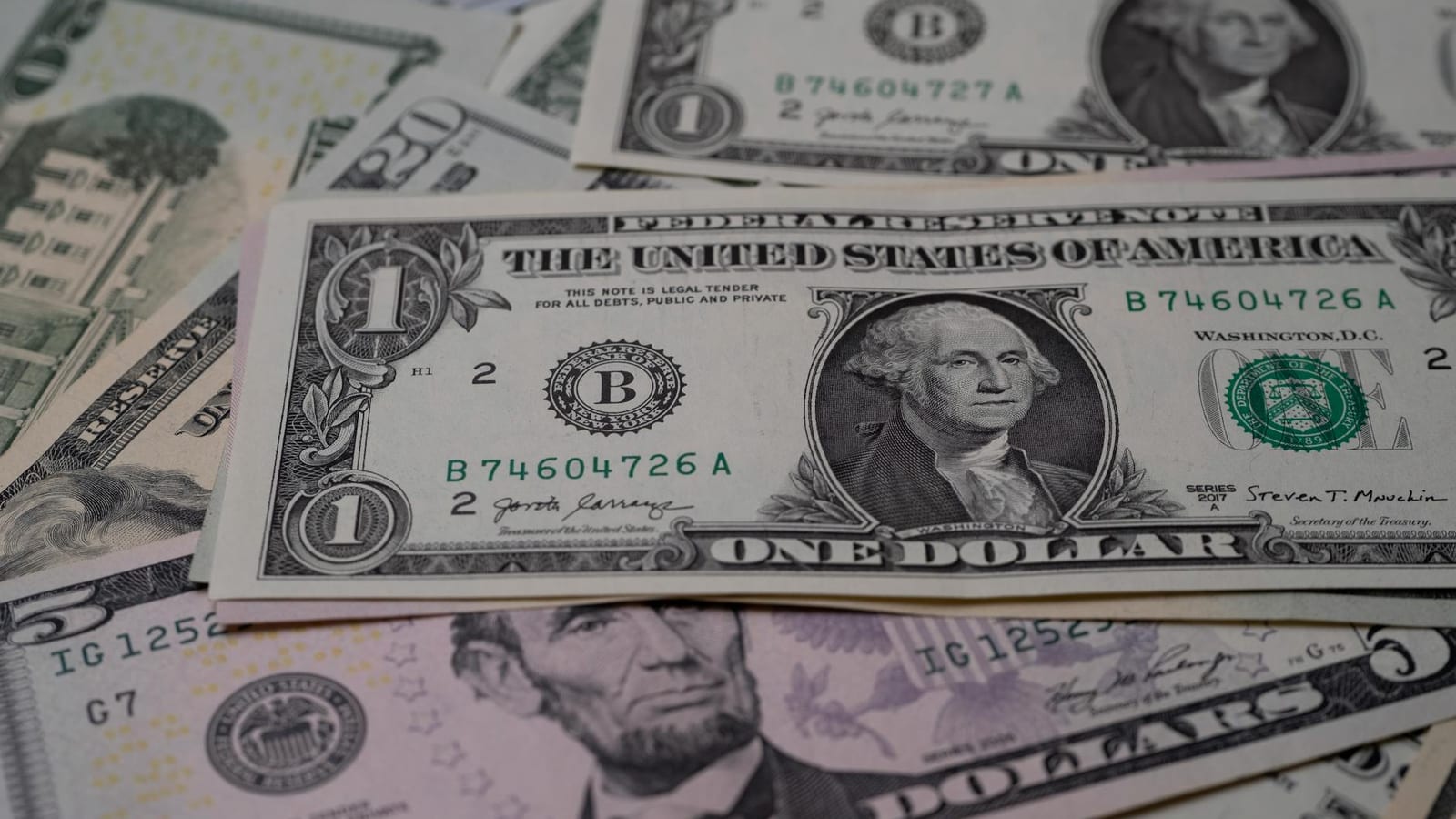
A stronger dollar rarely stays in America. It travels into Indian petrol pumps, gold shops, import bills, and family budgets.
That is why currency traders are watching the greenback so closely this week. The dollar is sitting near a six-week high, helped by war worries around Iran and fresh doubts over US interest rates.
For India, this is not just a Wall Street story. A firm dollar can make crude oil costlier in rupee terms. That can pinch airlines, refiners, paint makers, and eventually, ordinary consumers.
Dollar strength unsettles markets
The dollar index, which tracks the US currency against major global currencies, edged up to 99.24 on Friday. The move looked small, just 0.04 percent. But in currency markets, direction often matters more than drama.
The euro slipped slightly to $1.1611. The pound gained to $1.3444, even after weak UK retail sales data showed consumers were under pressure.
The bigger worry is oil. If the Iran conflict disrupts energy supplies, crude prices can stay high. That feeds into transport costs, aviation fuel, imported inflation, and the monthly bill at home.
For an Indian family, the chain is simple. Costlier crude can weaken the rupee. A weaker rupee makes imports pricier. That can show up in fuel, food delivery, air tickets, and goods moved by road.
A retail investor with a ₹5 lakh equity portfolio may not trade currencies directly. Yet a rising dollar can still hit sentiment. Foreign investors often pull money from emerging markets when US rates look higher.
That pressure can affect the Bombay Stock Exchange’s Sensex and the National Stock Exchange’s Nifty 50. Even a 1 percent fall means ₹5,000 less on paper for that ₹5 lakh portfolio.
Fed rate fears return
The market’s biggest question is now about the Federal Reserve. Will it keep rates steady, or prepare for another hike?
Fed funds futures traders now see about a 50 percent chance of a US rate hike by October. That is a sharp message from the bond market. It says traders no longer believe inflation is fully under control.
US Secretary of State Marco Rubio said there had been some progress on a possible deal with Iran. But Iran’s foreign ministry said the differences remain deep. Markets heard both lines and chose caution.
The problem for the Fed is energy. If oil prices keep rising, inflation may spread beyond petrol and diesel. Once companies start passing higher costs to consumers, central banks become nervous.
Fed Governor Christopher Waller also hardened the tone. He said the central bank should remove its bias towards easing policy. In plain English, he wants the Fed to stop sounding ready to cut rates.
That matters because Waller had earlier leaned towards lower rates. When a softer voice turns cautious, traders listen.
US consumer mood has also weakened. The University of Michigan’s consumer survey showed sentiment fell to a record low in May. Rising gasoline prices were a key reason.
This is where the macro story becomes very human. If American households cut spending, global growth feels it. If they keep spending despite higher prices, inflation may stay sticky.
Either way, the Fed gets a harder job. And when the Fed has a harder job, India feels the vibration through the rupee, foreign flows, and commodity prices.
Rupee pressure could follow
For India, the RBI will watch three things closely: the rupee, crude oil, and imported inflation.
A strong dollar usually puts pressure on the rupee. The RBI can step in by selling dollars from its reserves. But intervention only smoothens the fall. It rarely changes the larger trend.
Think of it like using savings to manage a rough month. It helps, but it does not change the rent.
If crude prices rise while the rupee weakens, India pays more twice over. First, oil costs more in dollars. Then each dollar costs more in rupees.
That combination can hurt the current account deficit. This deficit measures how much more India pays the world than it earns from it. A wider deficit often makes currency traders more cautious.
Companies with dollar loans also feel the heat. If a firm borrowed abroad, repayment becomes costlier when the rupee weakens. That can squeeze profits.
Import-heavy sectors face similar pressure. Electronics, aviation, chemicals, and energy-linked businesses often see costs rise quickly. Some pass it on. Some absorb it. Neither option is painless.
For households, the hit may come slowly. Petrol and diesel prices may not move every day. But transport costs sit inside almost every product.
A kirana store owner in a tier-2 city may not talk about the dollar index. Yet freight, packaging, and wholesale prices can still change his margins.
Young professionals with home loans should also watch this space. If imported inflation rises, the RBI may find it harder to cut rates. That means cheaper EMIs could take longer to arrive.
Yen weakness sends a warning
The Japanese yen is giving markets another warning signal. It weakened to 159.11 against the dollar on Friday.
That is a painful level for Japan. Authorities in Tokyo likely stepped in recently to support the yen. But the currency has already given back most of those gains.
The Bank of Japan faces a different problem from the Fed. It is expected to raise rates only slowly. Investors chasing better returns prefer currencies backed by higher interest rates.
That leaves the yen exposed. Even intervention can only buy time if the interest rate gap remains wide.
Japan’s core inflation also slowed to a four-year low in April. That makes aggressive rate hikes harder for the central bank. A weaker yen helps exporters, but it also makes imports expensive.
Australia is dealing with its own strain. Jet fuel and diesel shortages threaten parts of the economy. The Australian dollar slipped to $0.7136 against the US dollar.
Weak jobs data added another layer of concern. Employment unexpectedly fell in April, while unemployment reached its highest level since late 2021.
This global picture matters for Indian investors. Currency stress rarely stays neatly inside one country. It travels through funds, commodities, and risk appetite.
If the Iran conflict cools quickly, the dollar may lose some support. Oil may ease. Emerging markets could breathe again.
But if energy disruption drags on, the story changes. The Fed may sound tougher. The dollar may stay firm. The rupee may remain under watch.
For ordinary Indian readers, the lesson is not to panic over every tick in the currency market. The real point is simpler. A war far away, a central bank sentence in Washington, and a fuel shortage in another country can still shape your petrol bill, your portfolio, and your next loan rate. Markets know this already. Households usually find out later.