Strong Dollar Raises Oil And Rupee Pressure For India
A firm US dollar and costlier oil may pressure the rupee, lifting risks for fuel, airfares, imported goods and inflation for Indian households.
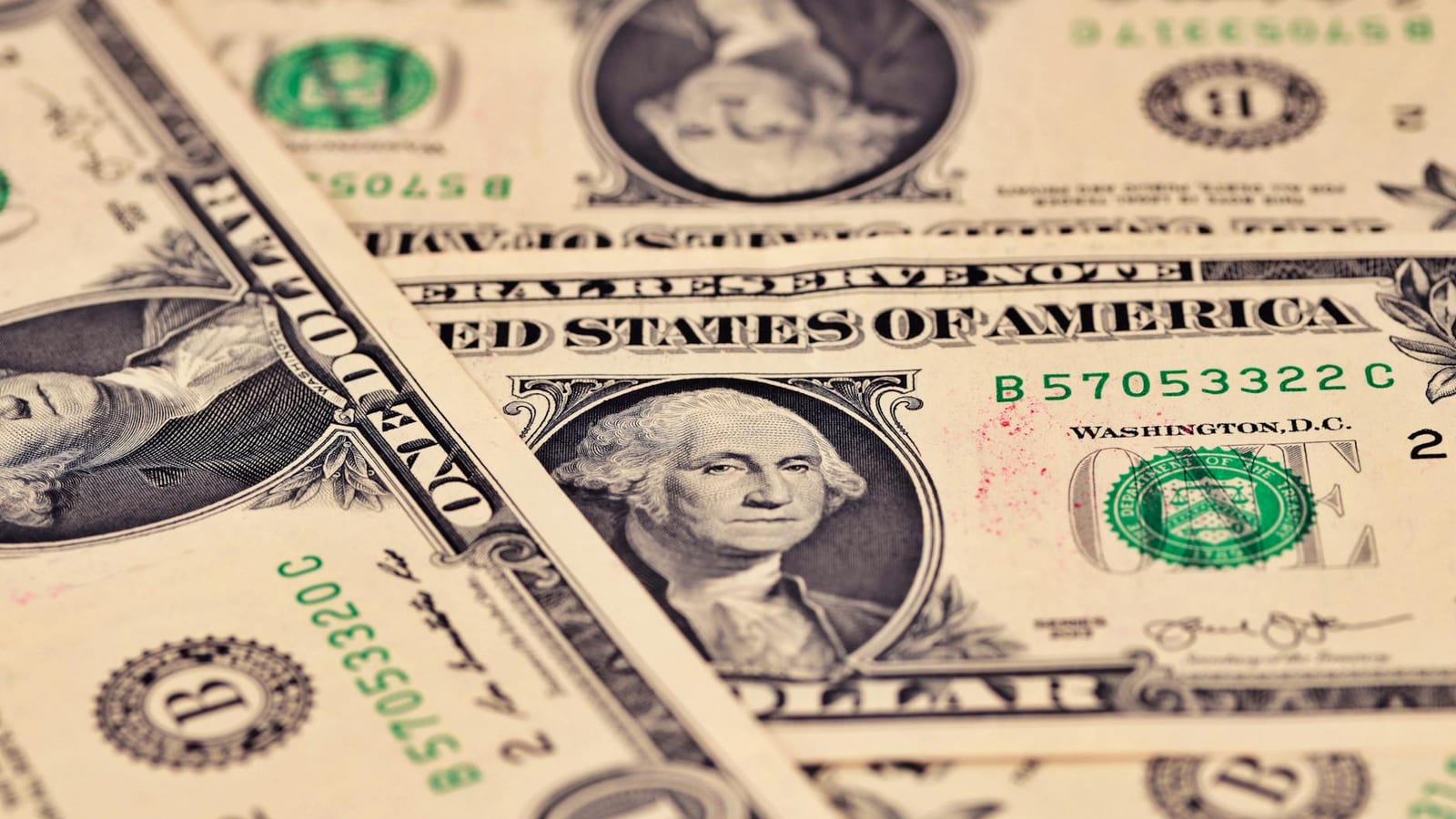
A stronger dollar is never just a trader’s problem. It quietly raises the bill for oil, foreign education, imported gadgets, and sometimes even the family holiday.
The US dollar stayed near a six-week high on Friday, as investors weighed the Iran conflict, rising fuel prices, and a new question in global markets. Could the US central bank actually raise rates again?
That worry matters for India. When the dollar gains and oil stays expensive, the rupee usually feels the heat. For households, that can show up later in fuel prices, airfares, imported goods, and inflation.
Dollar strength rattles currency markets
The dollar index, which tracks the greenback against major currencies, edged up 0.04 percent to 99.24. That may sound tiny. In currency markets, even small moves can shift billions of dollars.
The euro slipped 0.06 percent to $1.1611. The British pound rose 0.11 percent to $1.3444, even after weak UK retail sales showed consumers were cutting back.
For Indian investors, the point is simple. A firm dollar often makes emerging markets less attractive. Foreign investors can move money back into dollar assets, especially when US interest rates look high.
That can affect the Bombay Stock Exchange’s Sensex and the National Stock Exchange’s Nifty 50. A falling rupee can also pinch companies that import fuel, electronics, chemicals, or machinery.
Iran conflict keeps oil fears alive
The market’s biggest worry is energy. The Iran conflict has kept traders nervous about possible disruption to oil and fuel supplies.
US Secretary of State Marco Rubio said Washington had seen some progress towards a deal with Iran. But Iran’s foreign ministry said differences between the two sides remained deep.
Markets heard both lines and chose caution. Traders are asking what happens if fuel prices stay high for longer.
For India, this is not a distant problem. India imports most of its crude oil. When global oil rises, the pressure lands on the rupee, government finances, airlines, transporters, and households.
A kirana store owner may not follow the dollar index. But if transport costs rise, the wholesale price of daily goods can rise too. That is how a foreign exchange move travels into a monthly budget.
Fed rate talk changes the mood
The Federal Reserve is back at the centre of the story. Traders now see a 50 percent chance of a US rate hike by October, based on futures market pricing.
That is a big shift. Not long ago, markets were debating when the Fed would cut rates. Now, some traders are asking whether inflation could force another hike.
Fed Governor Christopher Waller said the central bank should remove its bias towards easing policy. In plain English, he wants the Fed to stop sounding ready for rate cuts.
Noel Dixon of State Street said the Fed could still hold rates steady if inflation remains contained. But he warned that a sharp escalation around Iran could trigger more volatility and force the Fed to think harder.
The US consumer mood has already worsened. The University of Michigan’s consumer survey showed sentiment fell to a record low in May. Rising gasoline prices fed fears about affordability.
That matters because central banks watch expectations. If people start believing prices will keep rising, businesses may raise prices faster. Workers may demand higher pay. Inflation then becomes harder to cool.
Yen weakness shows the pressure
The Japanese yen fell 0.1 percent to 159.11 against the dollar. That keeps it under strain, even after Japan likely stepped in weeks ago to support the currency.
The Bank of Japan is expected to raise rates slowly. That gives investors a reason to prefer the dollar, where yields look more attractive.
Lee Hardman of MUFG said intervention can only buy time. Japan needs the basics to shift, especially a quick end to the Iran conflict.
Japan’s core inflation slowed to a four-year low in April. That makes the central bank’s job harder. If inflation is soft, it cannot rush rate hikes. If the yen falls too much, imported prices can rise.
This is the same trap many economies fear. Currency weakness can create inflation. But weak growth makes rate hikes painful.
India must watch the rupee
The RBI will watch this mix closely. A stronger dollar, expensive oil, and uncertain US rates can all pressure the rupee.
A weaker rupee has winners and losers. Exporters may gain because their dollar earnings convert into more rupees. Importers face higher costs.
For households, the effects arrive slowly. Petrol and diesel prices may not move every day. But freight, aviation fuel, imported components, and edible oil can all feed into costs.
Young professionals with overseas education loans feel it more directly. Every rupee fall makes dollar expenses heavier. Parents paying foreign tuition also watch the exchange rate with unusual attention.
Investors should avoid reading one day’s dollar move as destiny. Currency markets can reverse quickly if the Iran talks improve or oil prices cool.
But the bigger message is clear. The easy-rate-cut story has become less certain. If the Fed stays hawkish, global money may remain drawn towards the US.
For India, the next few weeks will be about three linked prices: the dollar, crude oil, and money. When all three tighten at once, ordinary people eventually notice. The market may speak in decimals, but the household hears it in fuel bills, EMIs, and grocery receipts.