Stronger Dollar Puts Rupee, Oil Costs Back in Focus
A firmer US dollar near six-week highs could pressure the rupee, oil import costs and investor flows as Iran tensions keep markets wary.
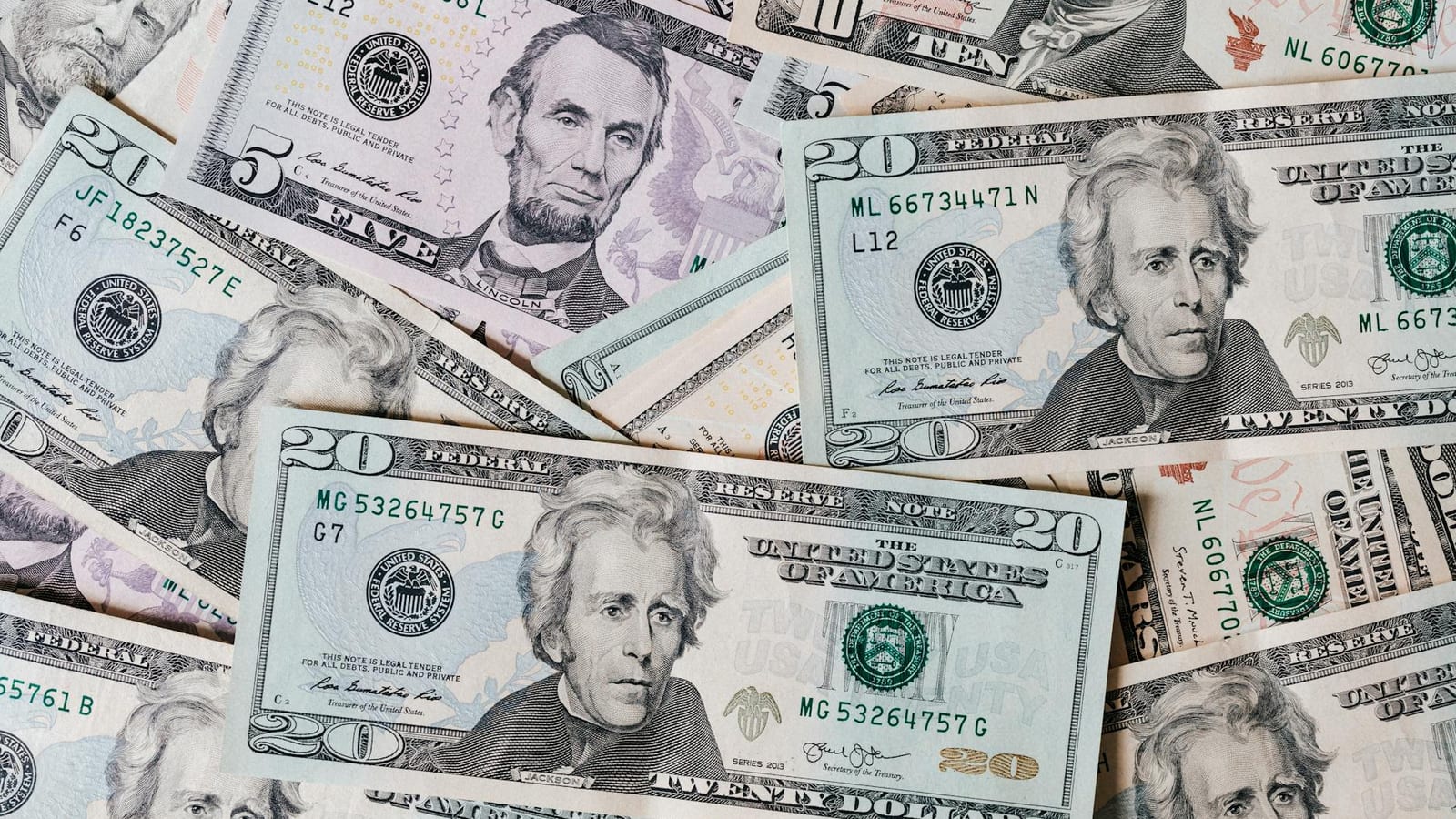
A stronger dollar rarely stays an American story for long. It travels fast, through oil bills, airfares, imported phones, gold prices, and the mood of foreign investors.
The US dollar index inched up 0.04 percent to 99.24 on Friday, holding near a six-week high. That looks like a tiny move on a screen. But for India, even small currency shifts can pinch when oil prices are already tense.
The worry is simple. If the Iran conflict keeps energy supplies under pressure, fuel costs may rise. If fuel rises, inflation follows. If inflation rises, central banks get nervous again.
Dollar strength hits closer home
The US dollar has gained because traders now see a real chance that US interest rates may go up again. Fed funds futures are pricing in a 50 percent chance of a rate hike by October.
That matters for India because global money often chases higher returns. When US rates look attractive, investors tend to move funds into dollar assets. Emerging markets then feel the pressure through weaker currencies and choppier stock flows.
For a retail investor in Mumbai or Jaipur, this does not show up as one neat headline. It appears as volatility in equity funds, higher gold prices, and costlier imported goods. A family planning overseas education also feels it when every dollar needs more rupees.
The euro slipped 0.06 percent to $1.1611. The British pound rose 0.11 percent to $1.3444, despite weak retail sales data in Britain. The Australian dollar fell 0.15 percent to $0.7136.
These are not just trading-room numbers. They tell us where money feels safer, where growth looks weaker, and where inflation may bite harder.
Fed signals worry on inflation
The Federal Reserve is again at the centre of the market’s anxiety. Until recently, investors had expected rate cuts at some point. Now, the discussion has shifted to whether the Fed may need to raise rates.
Fed Governor Christopher Waller said the US central bank should remove its bias towards easier policy. In plain English, he wants the Fed to stop sounding like it is only waiting to cut rates.
That is a sharp change in tone. It tells markets the Fed wants room to act if inflation gets worse.
The immediate trigger is energy. If oil and fuel prices stay high, they can push up transport, food, electricity, and factory costs. Central banks call this inflation pressure. Households call it a tougher monthly budget.
US consumer sentiment also fell sharply in May, as gasoline prices worried households. Inflation expectations rose too. That is a dangerous mix for any central bank, weak confidence with rising price fears.
When people expect prices to rise, they change behaviour. Workers ask for higher wages. Companies raise prices early. Shops adjust margins. Inflation then becomes harder to cool.
Iran risk keeps markets nervous
US Secretary of State Marco Rubio said Washington had seen some progress towards a deal with Iran, but added that more work remained. Iran’s foreign ministry said differences between the two sides were still deep.
Markets hate that kind of uncertainty. A quick deal could cool oil worries. A longer conflict could keep energy traders on edge.
For India, this is the part to watch closely. India imports most of its crude oil. A stronger dollar and higher oil prices together create a double squeeze. We pay more for oil, and we pay in a costlier currency.
That can widen the import bill. It can also put pressure on the rupee. If the rupee weakens, imported items get costlier, from electronics to chemicals to edible oils.
The Reserve Bank of India then faces its own balancing act. It must watch inflation, growth, and currency stability at the same time. That is never a clean choice.
Young professionals with home loans may not follow the dollar index daily. But they understand the result. If inflation stays sticky, rate cuts get delayed. If rate cuts get delayed, EMIs remain heavy for longer.
Yen weakness shows the strain
The Japanese yen slipped 0.1 percent to 159.11 per dollar on Friday. The yen remains weak even after Tokyo likely stepped in recently to support it.
The Bank of Japan is expected to raise rates slowly. That puts the yen at a disadvantage. Investors prefer currencies where interest rates offer better returns.
Japan’s core inflation also slowed to a four-year low in April. That complicates the Bank of Japan’s next move. If inflation cools, it has less reason to hike quickly.
This may sound distant from India. It is not.
When big currencies like the yen wobble, global investors adjust risk across markets. They may reduce exposure to emerging markets, buy dollars, or shift into safer assets. India can feel those moves through foreign portfolio flows.
The yen also matters because Japanese investors are major global lenders. If currency swings become too sharp, their investment choices can shift quickly.
What investors should watch now
For Indian investors, the first number to track is oil. If crude stays firm because of the Iran conflict, inflation risks rise across importing nations.
The second number is the dollar index. A rising dollar often makes life harder for emerging market currencies. It can also make foreign investors more cautious about Indian equities.
The third signal is Fed language. One sentence from a Fed official can move bond yields, currencies, and stocks. Waller’s comments show that the rate-cut story has lost some comfort.
This does not mean investors should panic. It means they should stop assuming easy money is around the corner.
A person with a ₹5 lakh equity portfolio may not lose money because the dollar rose 0.04 percent in one session. But if the dollar trend strengthens and oil stays high, market mood can turn defensive. That can hit sectors that depend on imports, aviation, paints, chemicals, and fuel-heavy logistics.
Exporters may benefit from a weaker rupee, at least on paper. IT services, pharma, and some textile firms earn in dollars. But even there, the story is mixed. Global growth concerns can hurt demand.
That is why this market is tricky. A strong dollar helps some companies and hurts others. Higher oil hurts consumers and importers. Higher rates support the dollar but pressure risky assets.
For ordinary readers, the message is not buried in forex charts. The world is again asking whether inflation has really been beaten. If the answer is no, money will stay expensive for longer. And when money stays expensive, everyone pays a little more attention to fuel bills, EMIs, school fees, and the next central bank meeting.