Sugar Futures Rebound as Coffee and Cocoa Prices Fall
Raw sugar recovered from a four-week low on ICE, while arabica coffee and cocoa slipped, signalling mixed global cues for food inflation.
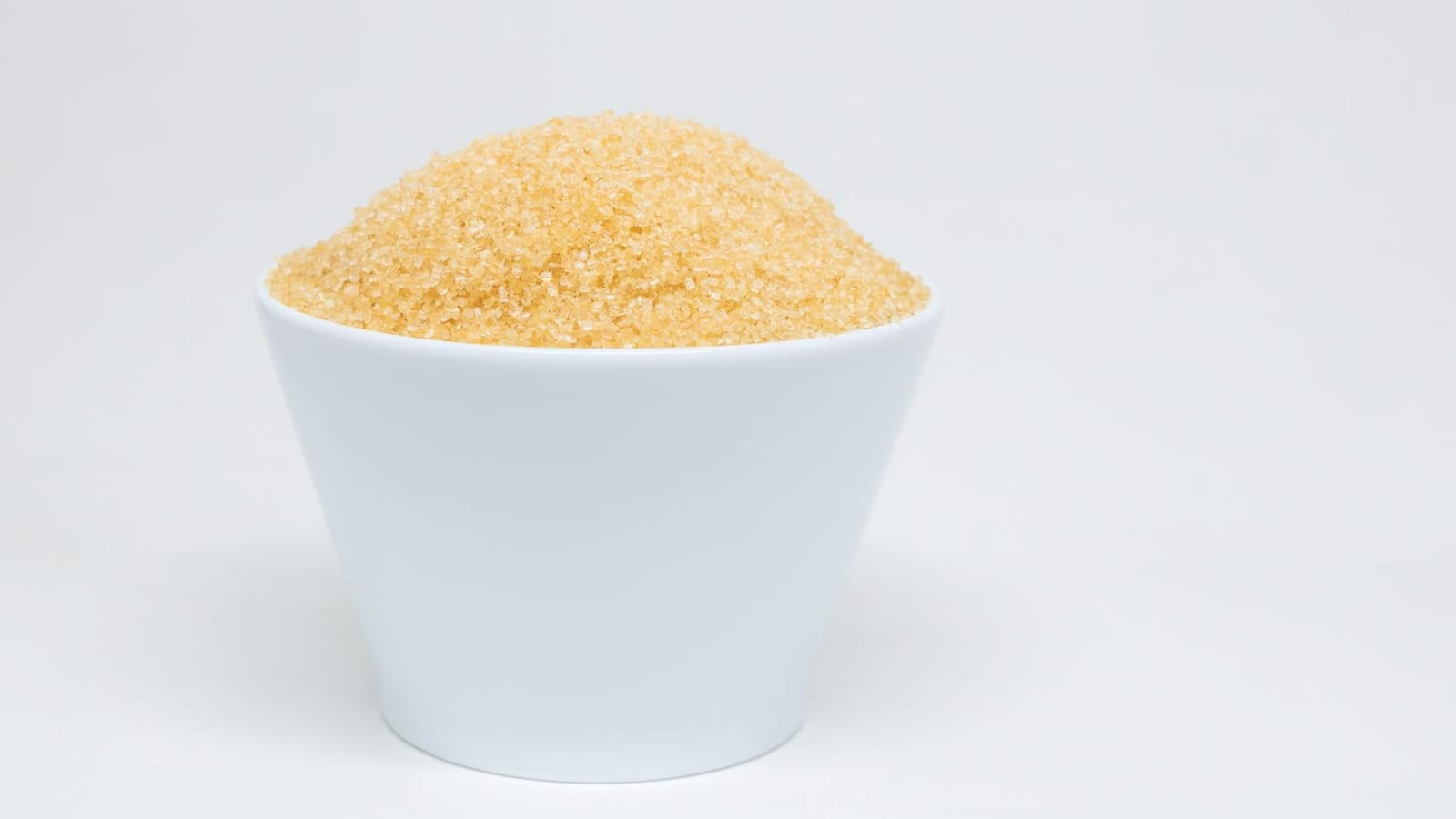
A spoonful of sugar just got a little more interesting for traders, even if your morning coffee turned cheaper on screen.
Raw sugar prices rose on Friday after touching a four-week low a day earlier. The move was small, but the signal was not. In commodity markets, a bounce after a hard fall often tells you traders have already digested the bad news, at least for now.
Coffee went the other way. Arabica futures dropped more than 3 percent, while cocoa also slipped sharply. For Indian households, this may sound distant. But these global prices often creep into biscuit packets, cafe menus, chocolate bars, and food inflation data with a lag.
Sugar rebounds after weekly slide
Raw sugar futures on ICE settled 0.9 percent higher at 14.06 cents per pound on Friday. That means the price rose by 0.13 cent in a day, after falling to its lowest level since late April on Thursday.
For the week, though, sugar still lost 4.3 percent. So Friday’s rise was not a victory lap. It was more like the market taking a breath after a rough few sessions.
The reason is simple. Traders had already priced in strong near-term supply. In plain English, the market had assumed there would be enough sugar available soon. Once that fear faded from the price, buyers stepped back in.
White sugar also gained. It rose 2.9 percent to $438.20 per metric ton. White sugar matters because it is closer to what food companies use in finished products. A move there can eventually matter for packaged foods.
Brazil harvest sets the tone
The main pressure on sugar has come from Brazil, the world’s biggest sugar producer. Its harvest has started strongly, and that gave traders enough reason to sell sugar earlier in the week.
But there is a catch. Broker ADMIS said Brazil may find it hard to keep producing sugar at the same strong pace. That single warning helped change the market mood.
This is where commodity markets can look strange from the outside. A good harvest can push prices down. But if traders feel that good harvest may not last, prices can quickly bounce back.
Brazil’s sugar story also links closely to oil. Cane mills there can turn sugarcane into either sugar or ethanol, a fuel used in vehicles. When oil prices are high, ethanol becomes more attractive. Mills may then make more ethanol and less sugar.
On Friday, oil prices fell after talk of a possible extension of a US-Iran ceasefire. Lower oil usually weakens sugar, because ethanol becomes less tempting. Yet sugar still rose. That tells us traders were looking beyond oil and focusing more on crop risks.
India’s monsoon worry returns
The bigger Indian angle is the monsoon. India is the world’s second-biggest sugar grower, and its crop depends heavily on rainfall.
India has forecast an El Niño-weakened monsoon in 2026. The forecast points to the lowest rainfall in 11 years. That has raised concerns over crops, food prices, and economic growth.
For ordinary Indians, this is not just a trader’s chart. Weak rain can hurt cane yields in sugar-growing states. It can also affect rice, pulses, vegetables, and rural incomes.
A poor monsoon can show up in many small ways. The grocery basket gets dearer. Rural demand weakens. Food companies face higher input costs. The government then has to balance farmer support, consumer prices, and export controls.
Sugar is especially sensitive in India because the government watches it closely. Too much export can hurt local prices. Too much restriction can hurt mills and farmers. The Centre often has to walk a very narrow path.
That is why global sugar prices matter even when India has domestic controls. If world prices rise while local output looks weak, pressure builds on policy. If world prices soften, the government gets more breathing space.
Coffee slips as Brazil awaits
Coffee had a tougher session. Arabica coffee settled 3.2 percent lower at $2.656 per pound. That reversed some of Thursday’s 1.6 percent gain.
Arabica is the smoother, premium coffee used widely by cafes and roasters. Robusta, which often goes into instant coffee and cheaper blends, also fell. It dropped 1.5 percent to $3,501 per ton.
The coffee market is caught between shortage today and better supply tomorrow. Colombia, the second-biggest arabica grower, has seen lower exports. That has kept near-term supply tight.
But traders expect Brazil to bring in a large harvest. If that happens smoothly, supply can improve sharply. That expectation weighed on prices on Friday.
Still, there is one warning sign. Brazil’s harvest pace has been slow so far. Certified arabica stocks, the exchange-approved coffee available for delivery, also continued to fall. They dropped to just over 435,000 bags, the lowest since February.
So coffee buyers should not celebrate too early. A lower futures price today does not always mean cheaper coffee next week. Roasters buy ahead, shipping takes time, and retailers do not cut prices as quickly as markets fall.
For India’s urban consumers, the link is clearer in cafes than kitchens. If global arabica remains expensive, premium coffee chains feel the pinch first. If robusta stays firm, instant coffee brands also face pressure.
Cocoa cools after weekly gain
Cocoa also fell on Friday. London cocoa settled 3.6 percent lower at 2,975 pounds per ton. New York cocoa dropped 4.3 percent to $3,923 per ton.
Yet London cocoa still gained 4 percent for the week. That tells you the market remains nervous, even after Friday’s fall.
Chocolate makers have spent months dealing with high cocoa costs. Poor crop conditions in key producing regions had already pushed prices to painful levels earlier. Even when prices cool, companies do not get instant relief.
For a consumer, this usually appears in two ways. Either chocolate becomes more expensive, or the pack quietly gets smaller. Sometimes the recipe changes, with more filling and less cocoa-heavy content.
Technical analyst Wang Tao said the New York cocoa contract may move towards $3,919 per ton after breaking a support level near $4,084. In simple terms, traders saw a price floor give way. When that happens, short-term sellers often gain confidence.
But cocoa is not suddenly cheap. It has merely cooled from very high levels. Food companies will still manage costs carefully, especially in price-sensitive markets like India.
The larger message from Friday’s soft commodities trade is not that sugar, coffee, or cocoa are moving in one neat direction. They are not. Sugar rose because traders worried supply may not stay comfortable. Coffee fell because Brazil’s coming harvest may ease tightness. Cocoa slipped, but its weekly rise showed stress has not vanished.
For Indian readers, the practical takeaway is this. The monsoon, Brazil’s harvest, oil prices, and global stock levels now sit inside your monthly food bill in quiet ways. A cup of coffee, a chocolate bar, or a packet of biscuits may look local on the shelf. But the price behind it often starts in fields thousands of kilometres away.