Sugar Prices Rebound as Brazil, Monsoon Risks Loom
Raw sugar recovered from four-week lows as traders weighed Brazil harvest strength against monsoon risks for India supply and inflation.
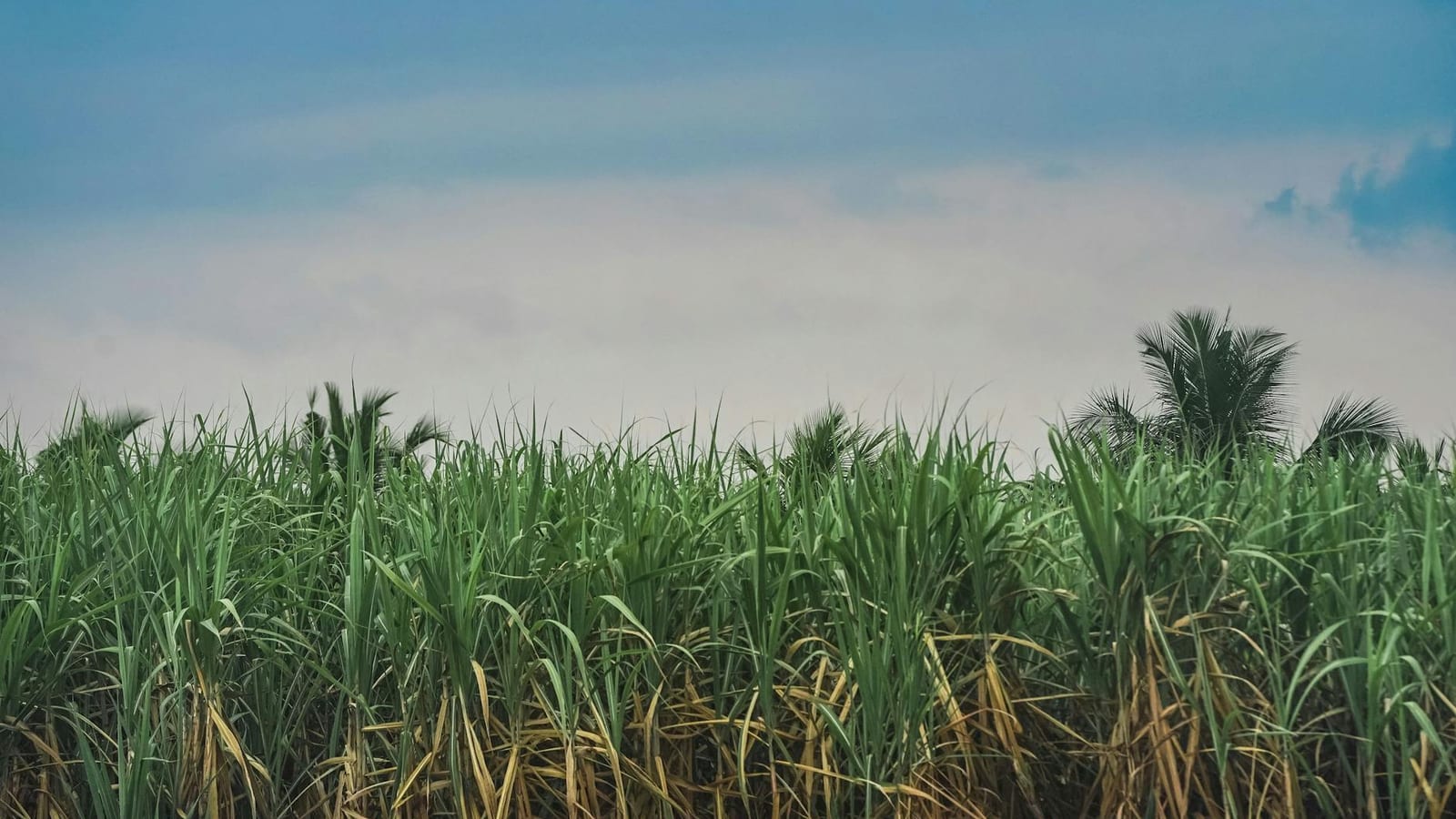
A teaspoon of sugar looks harmless until the monsoon starts misbehaving.
Global raw sugar prices rose on Friday after touching a four-week low a day earlier. The move was small, just 0.9 percent, but the signal matters for India. Sugar is not only a kitchen staple here. It sits inside tea, biscuits, sweets, soft drinks, ethanol, farm incomes, and food inflation.
Raw sugar settled at 14.06 cents per pound in New York trading. For the week, though, it still fell 4.3 percent. So this was not a full recovery. It was more like the market pausing after a sharp slide.
Sugar finds support after slide
Raw sugar had fallen because traders saw enough supply for the near term. In simple words, buyers were not worried about immediate shortages. That usually cools prices.
But markets rarely move on today alone. They also price tomorrow’s doubts. That is where Brazil and India enter the picture.
Brazil has started its sugar harvest strongly. As the world’s largest sugar grower, Brazil can calm global prices when its mills run well. More cane crushed means more sugar available for export.
Still, traders are asking one practical question. Can Brazil keep this speed for long? A fast start is useful, but a whole season depends on weather, cane quality, mill choices, and export flow.
White sugar also rose, gaining 2.9 percent to $438.20 per metric ton. That matters because white sugar is closer to the refined product consumers and food companies use.
India’s monsoon worry returns
For India, the bigger concern is the monsoon. Forecasts point to an El Nino-weakened season in 2026, with rainfall likely at its lowest in 11 years.
That is not just a weather line. It goes straight into farms, food bills, and rural spending.
Sugarcane needs water. A weak monsoon can hit cane yields, delay planting, or reduce recovery rates. Recovery rate means how much sugar a mill gets from a given amount of cane.
If cane output suffers, mills produce less sugar. If mills produce less sugar, prices can rise. If prices rise, the impact reaches households through tea, packaged foods, sweets, and restaurant bills.
For a family already watching cooking oil, vegetables, school fees, and EMIs, sugar may look small. But food inflation often comes from many small hits together.
The government also watches sugar because it links farmers and consumers. Cane arrears hurt farmers. High retail prices hurt consumers. Export curbs or stock limits can upset mills. This is why sugar policy in India always feels like balancing a steel plate on one finger.
Oil prices add another twist
Sugar has one unusual link that many retail investors miss. It often moves with oil.
When oil prices rise, cane mills in countries such as Brazil may produce more ethanol. Ethanol is a fuel made from crops like sugarcane. If mills make more ethanol, they may make less sugar.
Less sugar can push global prices up. Lower oil prices can do the opposite.
This time, raw sugar recovered despite weaker oil prices. That suggests traders were not only looking at energy. They were also watching weather risk, Brazil’s harvest pace, and India’s monsoon signal.
For India, ethanol adds another domestic layer. The country has pushed ethanol blending in petrol to cut fuel imports and support cane farmers. That policy helps energy security, but it also competes with sugar supply in tight years.
This does not mean consumers should panic about sugar prices tomorrow morning. Global futures are not the same as retail prices in India. Local stocks, government rules, mill output, and transport costs all matter.
But futures tell us where concern is building. Right now, the market is saying supplies look comfortable today, but weather can still change the story.
Coffee and cocoa cool off
Coffee moved the other way. Arabica coffee fell 3.2 percent to $2.656 per pound after rising the previous day.
Here too, the market is caught between short-term tightness and future supply hopes. Colombia, the second-largest arabica producer, has seen lower exports. That keeps nearby supply tight.
But Brazil is expected to bring in a large coffee harvest. If that crop arrives smoothly, supply pressure should ease. The catch is that the harvest has been slow so far.
Certified arabica stocks also kept falling, touching their lowest level since February at just over 435,000 bags. Certified stocks are exchange-approved supplies. When they shrink, traders become more nervous about immediate availability.
Robusta coffee fell 1.5 percent to $3,501 per ton. Robusta usually goes into instant coffee and many cheaper blends. Its price matters for cafes, packaged coffee brands, and consumers who have moved from tea to coffee in Indian cities.
Cocoa also slipped on the day. London cocoa fell 3.6 percent to 2,975 pounds per ton. New York cocoa dropped 4.3 percent to $3,923 per ton.
Even after Friday’s fall, London cocoa gained 4 percent for the week. That tells you how jumpy soft commodity markets remain.
Why Indian households should care
Most Indian households do not track ICE futures over breakfast. They do not need to. But these prices quietly shape daily expenses over time.
If sugar stays weak globally, Indian food companies get some breathing room. Biscuit makers, sweet brands, beverage firms, and bakeries all watch sugar costs closely. Lower input costs can protect margins, though consumers do not always see quick price cuts.
If sugar rises because the monsoon disappoints, the pressure travels differently. Mills, traders, food companies, and retailers all adjust. Consumers eventually feel it through smaller discounts or higher prices.
Farmers face the other side of the same coin. Weak prices hurt mill finances and can delay cane payments. Strong prices help mills, but can force government action if retail inflation rises.
For investors, the lesson is simple. Do not read Friday’s sugar bounce as a clean bullish signal. The weekly fall still shows pressure. The bounce only says traders think the recent bad news may be priced in for now.
The real test will come from Brazil’s harvest numbers, India’s rainfall pattern, and oil prices. If all three move in the same direction, sugar can turn quickly.
For ordinary readers, this is the quiet part of inflation. It does not arrive with one dramatic headline. It builds through crops, shipping, fuel, and weather. The next few weeks of rain may matter more to your grocery bill than any trading screen in New York.