US Stocks Climb as Iran Ceasefire Hopes Lift Tech
US markets rose as Iran ceasefire hopes cooled oil worries, while Dell and HPE rallied on AI-linked earnings, lifting global investor sentiment.
A 2 percent fall in oil can feel small on a trading screen. For India, it can decide petrol prices, airline costs, and the rupee’s mood.
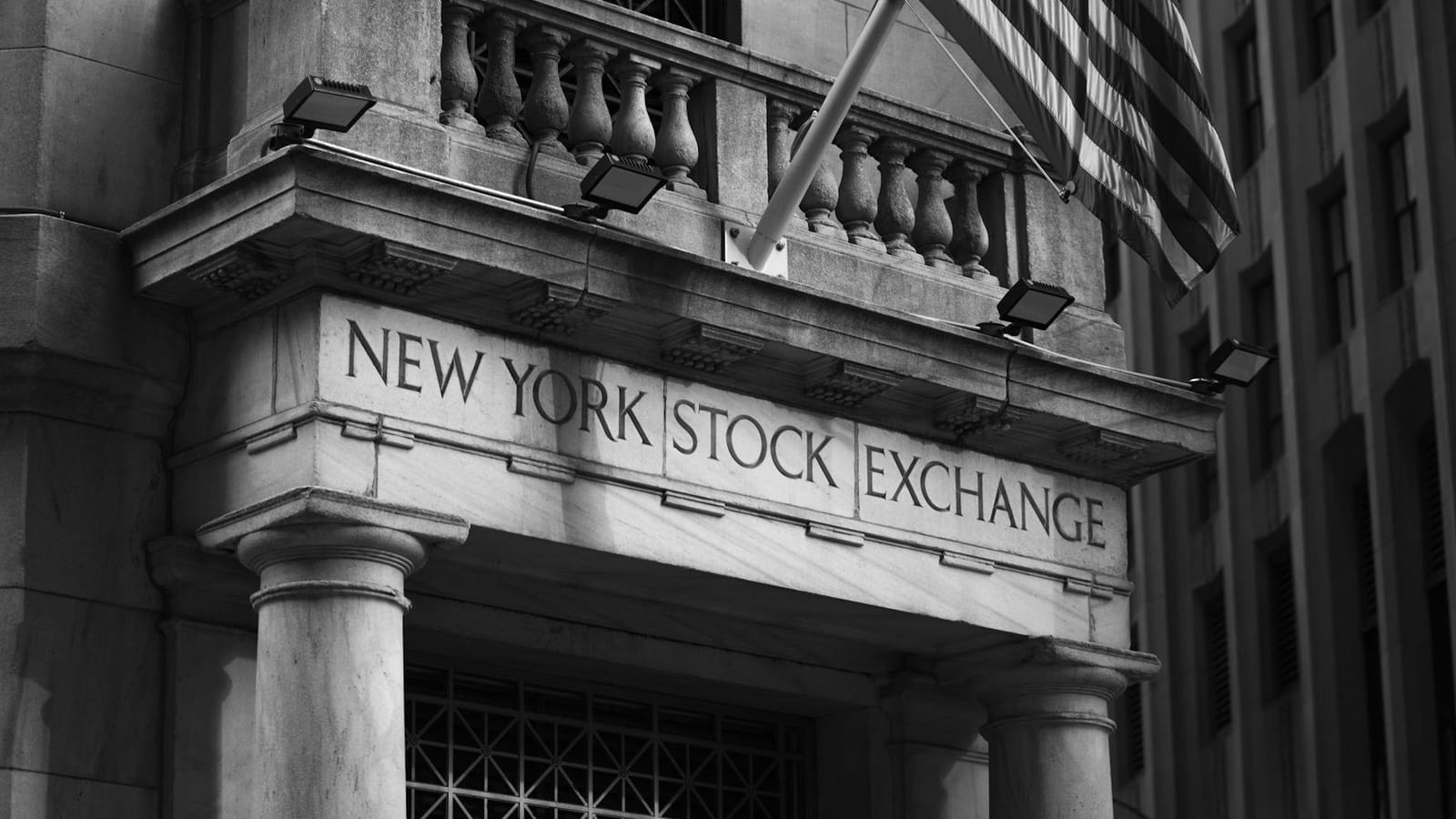
That is why Friday’s rise on Wall Street matters even for investors sitting in Mumbai, Pune, Surat, or Indore. US stocks moved higher as traders bet that Washington and Tehran may be inching towards a longer ceasefire.
At the same time, the artificial intelligence trade roared back into view. Dell jumped more than 30 percent after strong quarterly earnings, while Hewlett Packard Enterprise rose over 15 percent.
US markets take the Iran cue
The Dow Jones Industrial Average rose 151 points, or 0.30 percent, to 50,820 in morning trade. The Standard and Poor’s 500 gained 0.41 percent to 7,594. The Nasdaq Composite climbed 0.58 percent to 27,073.
For an Indian investor with overseas funds, this matters directly. A 0.5 percent rise in a ₹5 lakh US equity exposure adds about ₹2,500 before currency moves and fund costs.
The larger trigger came from the Middle East. US Vice President JD Vance said Washington and Tehran were close to extending their ceasefire. Markets read that as a sign that a wider supply shock may be avoided, at least for now.
The focus sits squarely on the Strait of Hormuz, one of the world’s most sensitive oil routes. Tehran’s blockade has disrupted trade since the conflict began in late February. That has kept shipping companies, refiners, airlines, and governments on alert.
David Morrison of Trade Nation said investors care most about reopening that waterway. His point is simple. If ships move freely, oil cools. If oil cools, inflation fears ease.
For India, this is not some distant geopolitical puzzle. India imports most of its crude oil. A jump in crude feeds into fuel, freight, plastics, fertilisers, and eventually household budgets.
Oil eases, but risk stays
Oil prices softened on Friday as traders priced in some relief from the ceasefire talk. Brent crude fell 1.6 percent to $92.18 a barrel. US crude slipped 0.9 percent to $88.09.
A 2 percent oil fall does not immediately cut fuel prices at the pump. But it helps the chain. Oil marketing companies get breathing room. Airlines face less pressure. The rupee usually gets support when India’s import bill looks lighter.
Still, $92 Brent is not cheap oil. It is only less painful than a fresh spike. For India’s economy, every extra dollar on crude adds pressure somewhere.
The 10-year US Treasury yield stayed at 4.45 percent. That number matters because it sets the tone for global money. When US bond yields stay high, foreign investors often become choosy about emerging markets.
That includes India. If US yields look attractive, some money can move away from riskier assets. If oil also stays high, India faces a double squeeze, costlier imports and nervous capital flows.
Gold moved higher too. Spot gold rose 0.6 percent to $4,519.64 an ounce, while US gold futures for August delivery gained 0.4 percent to $4,550. Silver slipped 0.2 percent.
Normally, peace headlines can cool gold. But investors still seem unwilling to give up safety. That tells us markets have not fully trusted the ceasefire story yet.
AI earnings lift tech stocks
The other big story came from technology. Dell’s stock surged more than 30 percent after earnings beat Wall Street expectations. Investors saw the result as fresh proof that AI spending still has force behind it.
Hewlett Packard Enterprise also jumped over 15 percent. NetApp rose 28 percent after strong earnings from the data storage business.
This is where the AI cycle becomes easier to understand. Chatbots and AI tools may look like software. But behind them sit servers, storage systems, chips, cooling units, and power-hungry data centres.
Companies like Dell, Hewlett Packard Enterprise, NetApp, Microsoft, and Broadcom sit in that supply chain. Microsoft and Broadcom gained about 3 percent each on Friday. Alphabet, however, slipped 1.5 percent.
For Indian investors, this rally carries both opportunity and warning. Many Indian mutual funds now offer exposure to US technology. A strong Nasdaq can lift those portfolios quickly.
But the same trade can turn crowded. When investors all chase the same AI winners, valuations stretch. Good companies can still become expensive stocks.
Retail investors should read Friday’s move with discipline. Dell’s jump came from actual earnings, not just excitement. That distinction matters in a market where AI stories can run ahead of profits.
Retail pain shows uneven demand
While tech stocks celebrated, consumer companies told a different story. Gap fell 17.7 percent after cutting its annual sales forecast. American Eagle Outfitters dropped 14.9 percent after keeping its comparable sales outlook unchanged.
That split is important. It says the US market is not moving as one clean story. Investors are rewarding AI-linked firms, but punishing retailers that show weak demand.
For Indian readers, think of it this way. A company selling AI servers may be seeing a spending boom. A company selling clothes to households may face shoppers who are counting dollars more carefully.
That contrast matters for the global economy. If households slow down, growth loses one engine. If companies keep spending on AI infrastructure, markets may still find another engine.
But stock markets can only ignore the consumer for so long. The US consumer remains central to global demand. Weak retail signals can eventually hit exporters, apparel makers, logistics firms, and commodity demand.
Indian IT firms also watch these cues closely. If US companies keep spending on AI and cloud systems, tech budgets may stay open. But if retail and consumer firms cut costs, discretionary tech projects can face delays.
What Indian investors should watch
The first thing to watch is oil. If Brent moves lower from the low $90s, India gets relief. If it jumps again, inflation and the rupee will return to the front page.
The second is the US bond yield. A 10-year yield near 4.45 percent keeps pressure on global equities. It also affects how foreign investors view markets like India.
The third is the quality of AI earnings. Investors should separate companies making real revenue from those riding the label. Friday rewarded firms that showed demand in numbers.
The fourth is gold. Its rise despite ceasefire talk suggests investors still want insurance. That is often a sign of hope mixed with doubt.
For ordinary Indian investors, the lesson is not to chase every green screen. Global markets are reacting to two powerful forces at once, war risk and AI spending. Both can move quickly.
A calmer Middle East can help fuel prices, the rupee, and market sentiment. Strong AI earnings can lift technology funds. But one headline from the Gulf, or one weak set of US numbers, can change the mood.
For now, Wall Street is choosing optimism. Indian households and investors should enjoy the relief, but keep one eye on crude, one eye on the rupee, and both feet on the ground.