US Tariff Relief May Ease Pressure On Indian Exporters
Lower US duties on some Chinese goods could soften global trade pressure, with Indian exporters watching margins, inflation and currency risks.
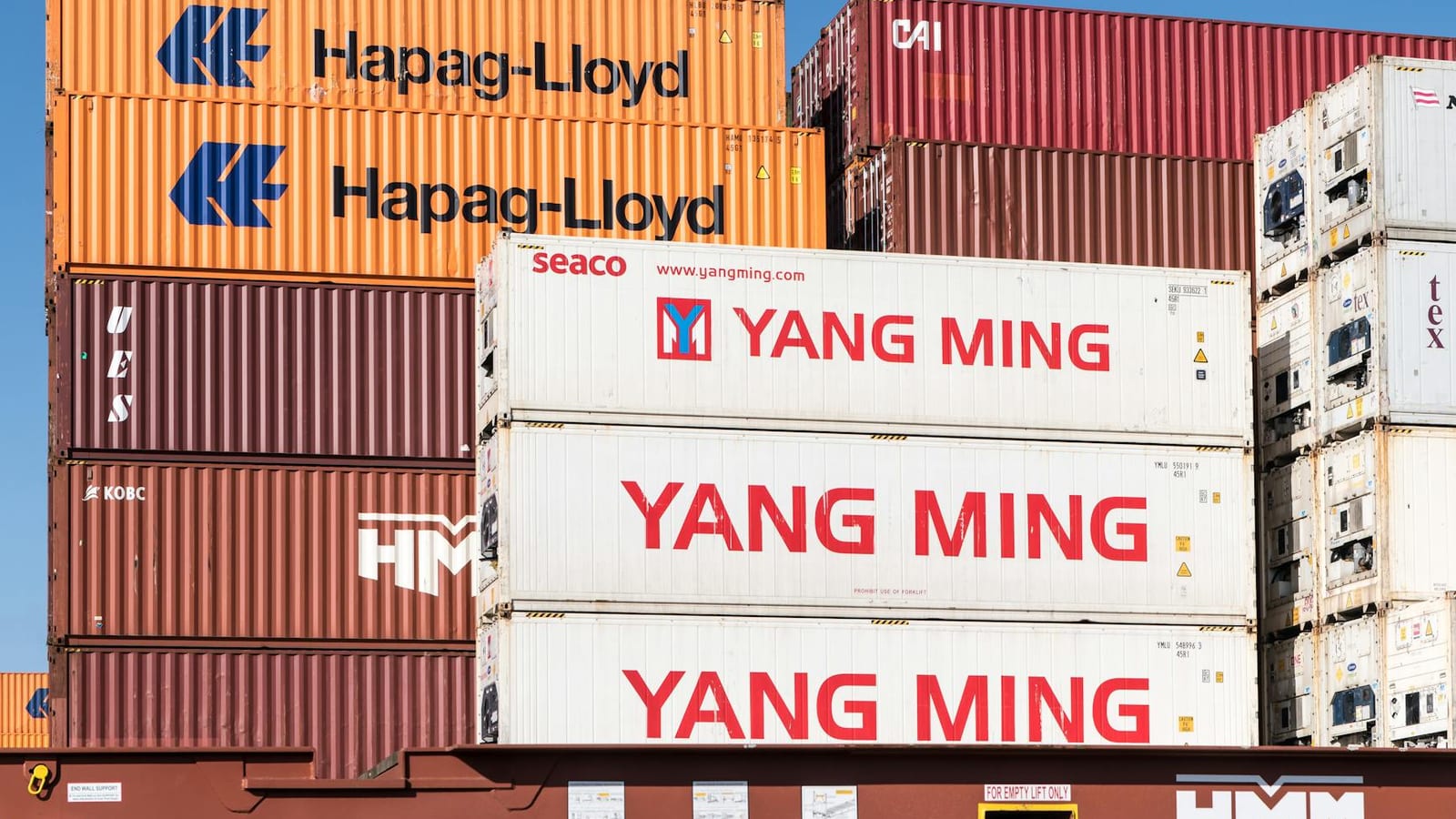
A 10 percent tariff sounds like a Washington number. For an Indian exporter, it can decide whether a shipment still makes money.
That is why Jamieson Greer, the U.S. Trade Representative, has made global markets sit up again. He has signalled that America may keep tariffs on imports, even from friendly neighbours, until trade feels balanced to Washington.
For Indian investors, this is not some distant customs dispute. Tariffs feed into company margins, inflation, currency moves, and market mood. When America taxes imports, the effect travels quickly.
America keeps tariffs on table
Greer said the U.S. would continue using tariffs where trade gaps remain. That includes Mexico and Canada, despite their close economic ties with America.
The softer part is this. Tariffs may not return to last year’s steepest levels. Greer suggested some Chinese goods, worth about $30 billion, could qualify for lower duties after public comments.
The current average effective U.S. tariff rate stands near 11.8 percent, based on Yale Budget Lab estimates. Before Donald Trump returned to office, it was close to 2 percent.
Last year, the rate had climbed to around 18 percent. So the direction now is mixed. Tariffs remain high by recent standards, but Washington may avoid the harshest version.
That matters because businesses hate uncertainty more than they hate bad news. A fixed 10 percent tariff can be priced into contracts. A shifting policy cannot.
For a company selling auto parts, electronics, textiles, or chemicals into America, every percentage point counts. A 10 percent duty can wipe out a thin margin.
Courts complicate tariff strategy
The legal mess is now part of the market story. The U.S. Supreme Court struck down the administration’s earlier global tariffs. A trade court also rejected temporary 10 percent levies imposed under Section 122.
The Trump administration has appealed that ruling. Greer did not give a clean answer on the legal route ahead. He only said there were plans in motion.
Section 122 allows temporary action when trade problems affect America’s balance of payments. Greer argued that the law does not clearly say it can be used only once.
That line tells markets something important. Washington wants flexibility, even after court setbacks. It may try different legal doors until one stays open.
Investors are now watching Section 301 investigations. These probes focus on excess industrial capacity and forced labour. U.S. officials may use them to rebuild much of last year’s tariff wall.
Before the court ruling, the global tariffs had raised roughly $150 billion. Refunds began after the legal defeat. That is a huge fiscal number, not just a trade headline.
For markets, the legal route matters because timing matters. If duties return before the U.S. midterm elections, inflation pressure could rise again. If they stay near 10 percent, companies may breathe a little easier.
China faces managed trade reality
Greer’s clearest message was on China. He said the U.S. no longer expects sweeping reform in China’s political and economic system.
That is a big shift in tone. For years, Washington pushed Beijing to change subsidies, industrial policy, and state support. Now the U.S. seems ready for a more managed relationship.
In simple terms, managed trade means both sides accept limits and bargains. They may not trust each other, but they try to avoid a full rupture.
Greer said America could still seek stability and “economic peace” through narrower deals. That phrase matters because the two economies remain deeply tied.
For India, this opens both risk and opportunity. If tariffs on some Chinese goods fall, China keeps an edge in U.S. supply chains. If tariffs stay high, Indian exporters may get a small window.
But windows are not markets. Indian companies still need scale, quality, faster ports, and reliable logistics. A tariff gap helps only if a buyer believes India can deliver consistently.
This is where the China-plus-one story meets reality. Global firms want options beyond China. Yet they will not move supply chains just because Delhi wants them to.
They move when costs, reliability, and policy all line up. Tariffs can start that conversation. They cannot finish it.
Investors should watch inflation
Greer’s comments come while America still battles price pressure. He also pointed to strain from the war in Iran, which has added another layer of uncertainty.
Tariffs can raise prices because importers often pass costs to consumers. That means American households may pay more for goods. It also keeps the U.S. Federal Reserve cautious.
For Indian markets, this matters through money flows. If U.S. inflation stays sticky, rate cuts may get delayed. Then foreign investors may keep money in dollar assets for longer.
That can pressure the rupee. A weaker rupee helps exporters, but it hurts importers. It can also make fuel, electronics, and overseas education more expensive for Indian households.
The Bombay Stock Exchange’s Sensex and National Stock Exchange’s Nifty 50 usually react through large exporters first. IT, pharma, chemicals, and auto ancillaries often feel global trade shifts quickly.
Take a simple portfolio example. If someone holds Rs 5 lakh in equities and the market falls 1 percent, the paper loss is Rs 5,000. That is how global policy becomes household math.
The risk is not only lower exports. It is also higher input costs. Many Indian manufacturers still import parts, machinery, and speciality materials.
If global supply chains get distorted again, costs can move in strange ways. Some firms gain from orders shifting out of China. Others lose because their imported inputs become costlier.
Supply chains get pricier
Greer also spoke about critical minerals. He said America must rebuild supply chains damaged by Chinese subsidies and dependence.
He mentioned around 60 critical minerals. These include materials used in batteries, electronics, defence equipment, and clean energy systems. Some rare earths may take years to secure outside China.
This is the hidden part of the tariff debate. It is not only about cheaper toys, shirts, or machinery. It is about who controls the raw materials behind modern industry.
Greer called this a national security premium. In plain English, America may accept higher costs for goods sourced outside China. It wants safer supply chains, even if they are not the cheapest.
India should read that carefully. The world is moving from lowest-cost supply chains to trusted supply chains. That gives India a chance, but only with serious execution.
For Indian businesses, the next few months will be about pricing discipline. Exporters will have to decide whether to absorb duties, renegotiate contracts, or chase new buyers.
Retail investors should avoid reading every tariff headline as an instant buy or sell signal. The better question is which companies have pricing power, local sourcing, and strong balance sheets.
America may lower some tariffs. It may keep others. Courts may block one route and open another. For ordinary Indians, the message is simple enough. Global trade is becoming less predictable, and the cost of that uncertainty will show up in prices, profits, and portfolios.