US tariff rush drives copper costs higher worldwide
Copper prices are climbing as traders ship metal to the US ahead of possible tariffs, tightening global supply and raising cost risks for India.
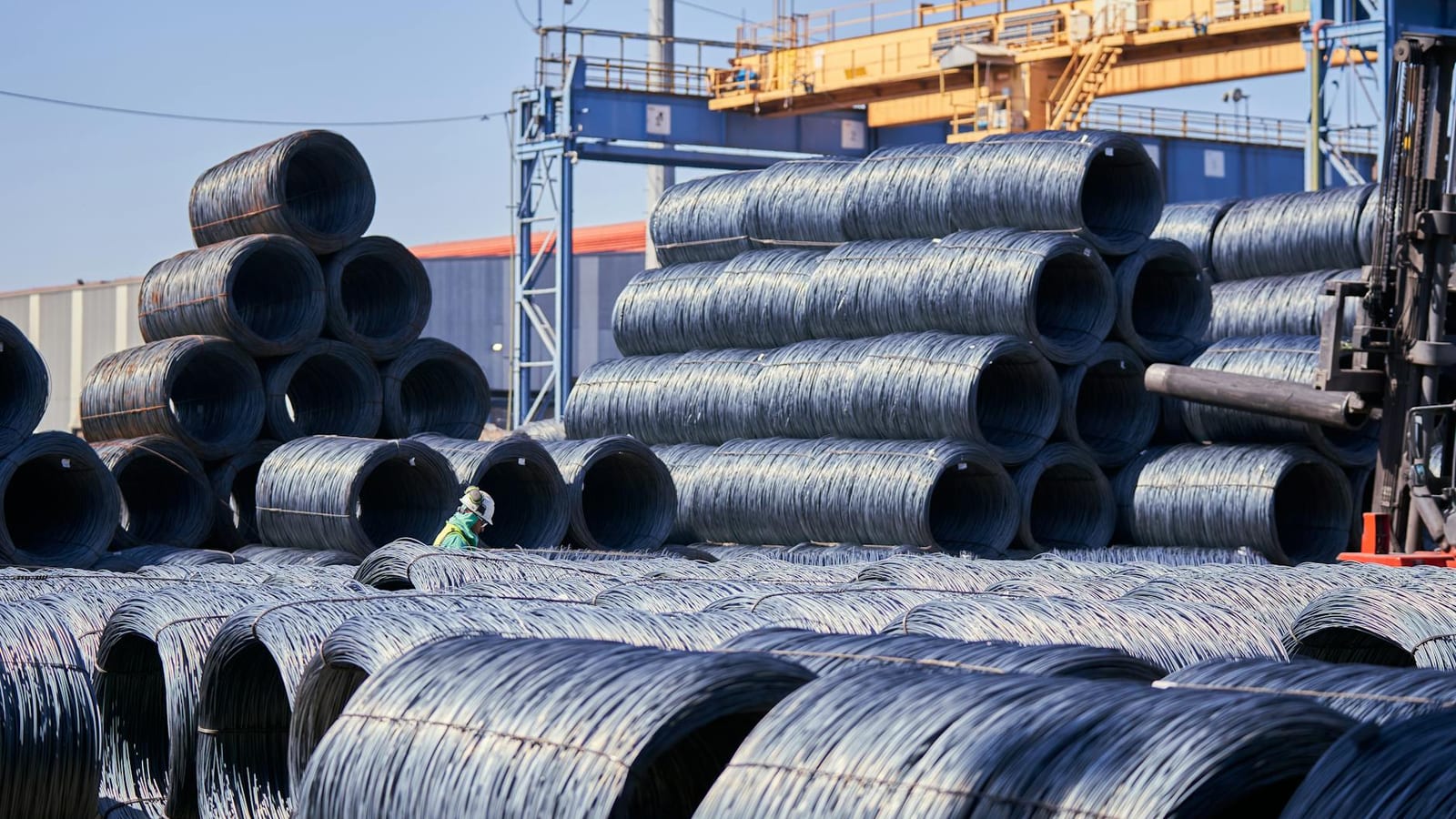
A metal most people never watch is quietly deciding what homes, factories, cars and power lines may cost next.
Copper has jumped about 43 percent in a year in London. On Wednesday, it traded as high as $13,746 a tonne. For an Indian buyer, that is not just a chart. It can show up later in wiring, air-conditioners, electric vehicles, solar projects and factory equipment.
The immediate trigger sits far away, in the United States. Traders are rushing copper there because they expect import tariffs. When that happens, metal moves not to where it is most needed, but where it can fetch the best price.
America pulls copper away
The tariff talk around Donald Trump has again changed the copper market’s map.
New York’s Comex prices have moved more than $500 a tonne above cash prices on the London Metal Exchange. In simple terms, copper is worth much more in New York than in London.
That gap gives traders a clear trade. Buy or move copper from global stores, ship it to America, and sell it at the richer price.
Henry Van, head of industrial metals analysis at Trafigura Group, said the market looks familiar. He said available tonnes are again being pointed toward the US. He also said American imports could return near 200,000 tonnes a month.
That is not a small shift. Copper is a $300 billion-a-year global market. When one large country starts pulling metal sharply, everyone else feels the squeeze.
Tariff fear is enough
The interesting part is that the tariff has not even arrived yet.
The US commerce secretary has a June 30 deadline to update the administration on the copper market. That report could clear the way for duties on refined copper from January 2027.
The earlier recommendation was a 15 percent tariff. If that becomes policy, traders will have a powerful reason to move copper into America before the duty starts.
Markets often move before governments act. In commodities, fear itself can move ships, warehouses and prices.
Gerardo Tarricone of Arion Investment Management said momentum toward the US should continue. His point is simple. If traders believe tariffs are coming, they do not wait for the official stamp.
That is why copper sitting in warehouses has suddenly become strategic. Trafigura recently moved to withdraw a large quantity from LME warehouses. People familiar with the matter linked at least part of that move to better prices in New York.
For ordinary readers, warehouse withdrawals may sound remote. But they matter because they reduce the buffer available to the rest of the world.
The rest of the world tightens
Outside America, copper already looks tight.
Nicholas Snowdon, chief metals economist at Mercuria Energy Group, said the deficit should shift toward the LME. He expects stronger drawdowns later this year if tariff plans become clearer.
That means the London benchmark could come under more pressure. Many global buyers use it as their reference point.
China has also returned to the market after stepping back during earlier price spikes. Since the Chinese New Year holiday, buyers there have been active again.
This matters because China remains the biggest force in industrial metals. When Chinese demand rises and US imports also rise, smaller buyers lose bargaining power.
India sits in that crowd of price takers. We may have strong demand, but we do not set the global copper price.
For Indian manufacturers, that can hurt margins. Cable makers, appliance companies, power equipment firms and EV suppliers all use copper. If they cannot pass on costs, profits shrink. If they pass them on, customers pay more.
A builder planning a housing project will see it in electrical wiring. A small factory owner will see it in motors and machinery. A household may see it later in appliances and repairs.
Freight delays add pressure
The trade is becoming harder just when traders want to move more metal.
Shipping copper from South America to major US ports is taking longer than usual. Disruptions linked to the Iran war have affected global freight routes. Congestion around the Panama Canal has also added delays.
That makes the copper trade messier. A shipment that looks profitable on paper can become risky if freight costs rise or delivery takes longer.
These delays also create another problem. Metal stuck in transit cannot serve factories that need it today.
So the market faces a double squeeze. Prices rise because traders expect tariffs. Supplies tighten because ships, ports and canals slow the flow.
Investors have added more heat. Enthusiasm around artificial intelligence has lifted copper because AI needs huge power infrastructure. Data centres need electricity, cooling, cables and grid upgrades. Copper sits inside much of that plumbing.
Investor positioning in New York has turned highly bullish. That means more traders are betting prices will rise.
When financial money meets real supply stress, markets can overshoot. Copper already touched a record above $14,500 a tonne in late January. Traders now see a path back toward fresh highs.
India should watch the bill
For India, the copper story is not only about markets. It is about the cost of growth.
We want more homes, more solar power, more electric vehicles, more rail upgrades and more factories. All those ambitions need copper.
A higher copper price does not stop that journey. But it raises the bill.
The pressure may not hit consumers overnight. Companies often carry inventories. Contracts may smooth prices for a while. But sustained high copper prices eventually travel through the chain.
Retail investors should also pay attention. Metal stocks may look attractive when prices rise. But margins can swing sharply depending on raw material costs, hedging and demand.
A cable company is not automatically a winner because copper is expensive. If customers delay orders, high input costs can become a burden.
The same applies to infrastructure companies. Their order books may look strong, but material inflation can eat into returns.
The bigger lesson is that global politics now enters Indian budgets through strange doors. A tariff discussion in Washington can affect a wire maker in Gujarat, an EV parts supplier near Pune, or a homeowner renovating a flat in Bengaluru.
Copper is often called an economic barometer because it sits inside real activity. This time, it is also a political barometer. The next signal will come from the US review due by June 30. After that, traders will start pricing the odds of January 2027 duties with even sharper elbows.
For ordinary Indians, the message is plain. The cost of building, powering and electrifying the country may depend on how one global metal gets pulled between tariffs, ships and warehouses. Copper is not glamorous, but when it gets expensive, everyone eventually pays attention.