US Tariff Shift Keeps Indian Exporters Watching Costs
Washington may keep US import tariffs even if some rates fall, leaving Indian exporters to watch costs, orders and supply-chain risks.
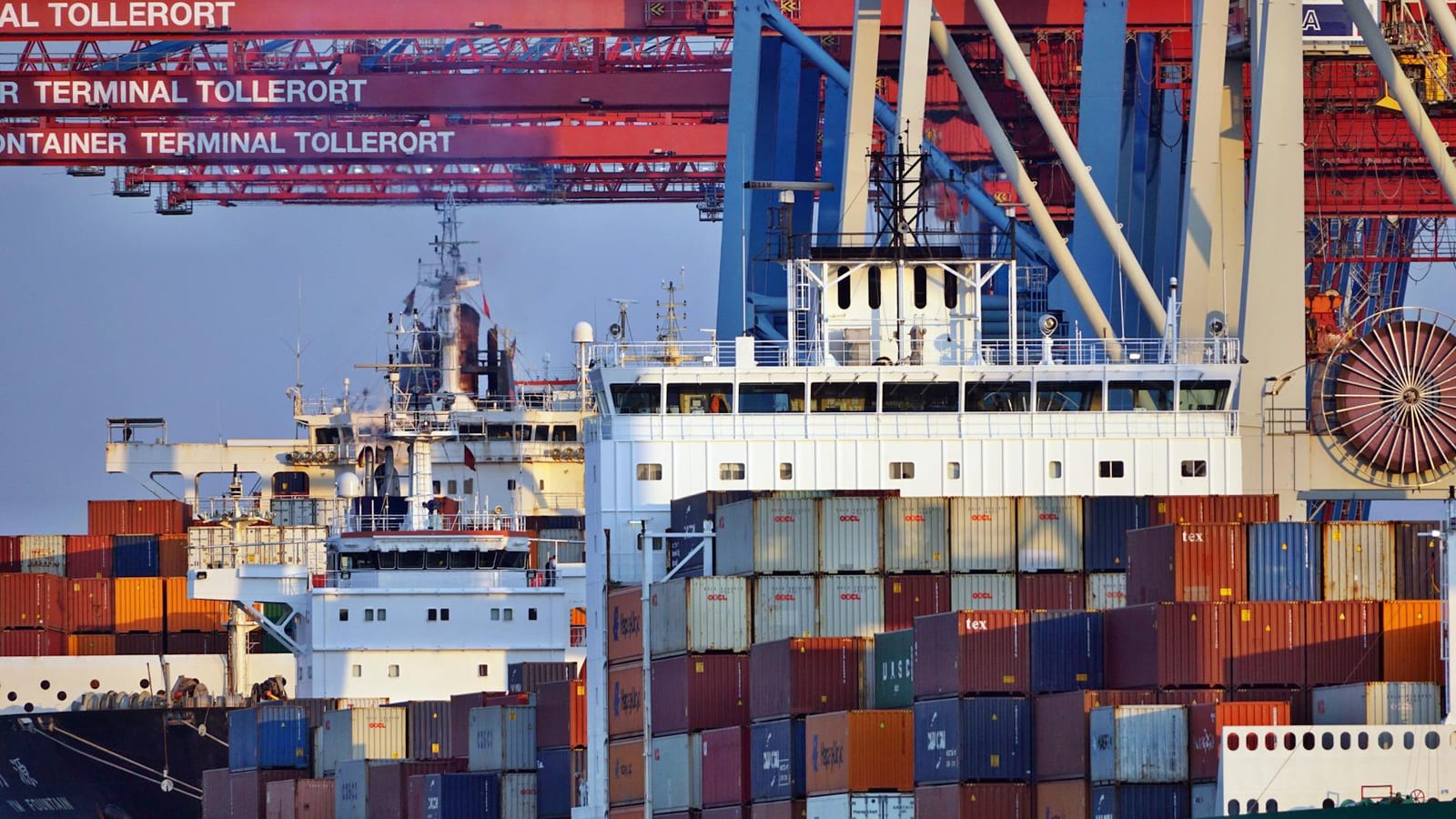
A 10 percent tariff in Washington can quietly enter an Indian factory invoice in Tiruppur, Pune, or Noida.
That is why Jamieson Greer, America’s trade representative, matters to Indian exporters this week. His message was simple, but not comforting. The United States still wants tariffs. It may only argue over how high they should be.
For markets, this is not just American politics. It affects shipping orders, supply chains, inflation, and investor mood across Asia.
Washington wants tariffs to stay
Greer said the US would keep import tariffs as long as trade remained uneven. That includes even close neighbours like Mexico and Canada.
His comments suggest the Trump administration may bring back temporary 10 percent tariffs due in July. But some duties may come down from last year’s much steeper levels.
The average effective US tariff rate stood near 11.8 percent in April, based on Yale Budget Lab estimates. Before Donald Trump returned to office, that rate was closer to 2 percent.
So, the direction is clear. America has moved from low-duty trade to managed, political trade.
For Indian companies, the key question is not ideology. It is pricing. If a US buyer pays more to import from one country, it may shift orders elsewhere. India can gain in some categories and lose in others.
Textiles, auto parts, chemicals, electronics, and engineering goods all sit in this zone. A small tariff change can decide whether a purchase order lands in India, Vietnam, Mexico, or China.
China may see selective relief
Greer also pointed to possible tariff relief on some Chinese goods. The US plans to seek public comments on non-sensitive imports from China that could face lower duties.
He put that basket at around $30 billion worth of goods. That is not tiny, but it is small beside the full scale of US-China trade.
This tells us something important. Washington does not expect China to remake its economic system. Greer said the US has largely accepted that big structural reforms may not come.
In plain English, America may stop waiting for China to change. Instead, it may manage trade item by item.
That approach creates a strange market. Some Chinese goods may get relief. Others may stay under pressure. Critical sectors will face even more scrutiny.
For India, this cuts both ways. Lower US tariffs on some Chinese products may reduce India’s advantage. But tighter rules on sensitive sectors may still push companies to diversify.
This is where Indian boardrooms must read the fine print. The opportunity is not “China plus one” in a slogan. It depends on product lines, margins, logistics, and compliance.
Courts have unsettled the tariff plan
The legal backdrop has become messy. The US Supreme Court struck down the administration’s global tariffs. A trade court also rejected temporary 10 percent levies imposed under another law.
The administration has appealed. Greer signalled that he still has options under different trade laws.
That uncertainty matters because markets dislike guessing games. Importers cannot price goods cleanly when tariff rates may change after a court order.
A retailer in the US may delay orders. A supplier in India may hold inventory. A bank may treat exporter credit more cautiously.
Investors also watch this closely. If tariffs stay high, inflation can rise. If inflation rises, interest rates may stay higher for longer.
That chain reaches India through foreign portfolio flows, the rupee, and equity valuations. When US yields look attractive, money often leaves emerging markets.
For a retail investor in India, this can show up as pressure on export stocks. It can also hit broader indices when global risk appetite weakens.
The Bombay Stock Exchange’s Sensex and the National Stock Exchange’s Nifty 50 do not move only on domestic news. They also react to policy signals from Washington.
Supply chains will cost more
Greer framed some future costs as a national security premium. That means companies may pay extra to buy from safer or friendlier sources.
He highlighted about 60 critical minerals. These include inputs needed for batteries, electronics, defence systems, and clean energy equipment.
The US remains far from self-sufficient in heavier rare earths. Greer admitted that building supply independence could take years in some cases.
This matters deeply for India. New Delhi also wants domestic manufacturing in electronics, electric vehicles, solar equipment, and defence.
But manufacturing ambition needs minerals, chips, machines, and predictable trade routes. If the US starts competing harder for the same secure supplies, costs can rise.
That may affect Indian firms trying to move up the value chain. A battery maker, for instance, cannot scale cheaply if mineral prices swing sharply.
Consumers may feel this later through prices of phones, vehicles, appliances, and energy systems. These are not abstract trade debates anymore.
The phrase “national security” now sits inside business cost sheets. That is the new reality for global manufacturing.
India must read the opening carefully
India may benefit if US firms reduce dependence on China. But this is not automatic. Orders do not move because ministers want them to move.
Factories must meet quality, delivery, scale, and labour standards. Ports must work faster. Power supply must stay reliable. Contracts must feel predictable.
The US position also shows that friendly countries are not fully safe. Greer said tariffs could apply even to neighbours if trade remains imbalanced.
That should make India cautious. A warm diplomatic relationship does not guarantee soft trade treatment.
India runs a goods trade surplus with the US. That means Washington could examine Indian exports more closely if tariff politics hardens.
Pharma, gems and jewellery, textiles, steel, aluminium, and engineering goods may need sharper monitoring. Even rumours of duties can unsettle orders.
The smart play for India is not celebration. It is preparation. Exporters need alternate buyers, better documentation, and faster response teams.
Policymakers also need to track sector-specific risks. Broad statements about trade partnership will not protect small exporters from sudden duty notices.
For ordinary Indians, this story may feel distant. It is not. Tariffs can affect jobs in export clusters, prices of imported inputs, and stock portfolios.
The next few months will show whether Washington settles near a lower 10 percent tariff zone, or rebuilds a tougher wall through new probes. Either way, global trade is becoming less smooth and more political. India can still gain from the churn, but only if it treats uncertainty as a cost, not background noise.